- BlackVoter.Org
- Posts
- BlackVoter.Org
BlackVoter.Org

BlackVoter.org
February 25, 2026

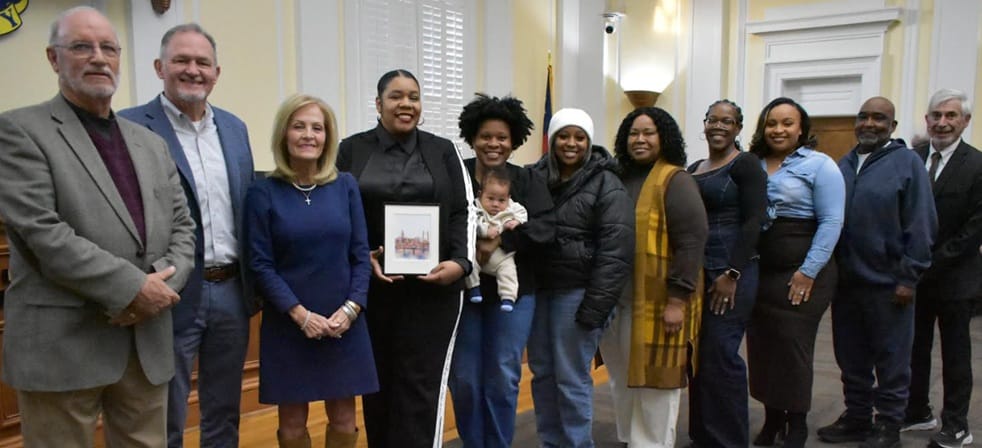
In a heartfelt celebration of African American History Month, the Floyd County Board of Commissioners honored three inspiring women during their meeting on February 24, 2026. Commission Chair Rhonda Wallace emphasized the significant contributions of Joyce Perdue-Smith, Candice Spivey, and Dr.
Tiffany Pauling, highlighting their commitment to community upliftment through education, civic engagement, and historic preservation.
Joyce Perdue-Smith was recognized for her pivotal role in restoring the historic Fairview–E.
S. Brown School campus, earning notable preservation accolades.
Candice Spivey received accolades for her 15 years of grassroots advocacy, focusing on voter education and social justice initiatives. Dr.
Tiffany Pauling has been a dedicated educator at the Georgia School for the Deaf for over two decades, also mentoring future leaders in her field. These remarkable women embody resilience and have made lasting impacts on their community, shining brightly during this month of celebration and reflection.

In an enlightening exploration of Black History Month, Keisha N. Blain uncovers the often-overlooked contributions of Black women to nationalist movements in the U.
S. While iconic male figures like Marcus Garvey dominate popular narratives, it's essential to acknowledge the formidable female activists who played vital roles in shaping these movements.
Pioneers such as Amy Ashwood and Amy Jacques Garvey not only contributed significantly to the Universal Negro Improvement Association but also maintained its momentum through adversity, including Garvey’s deportation. Additionally, Mittie Maude Lena Gordon's Peace Movement of Ethiopia empowered countless women, channeling their activism into a nationwide pro-emigration campaign.
This article highlights that any comprehensive history of Black nationalism must include the pivotal impact of women, who were instrumental in ensuring that their voices and political strategies resonated across generations.

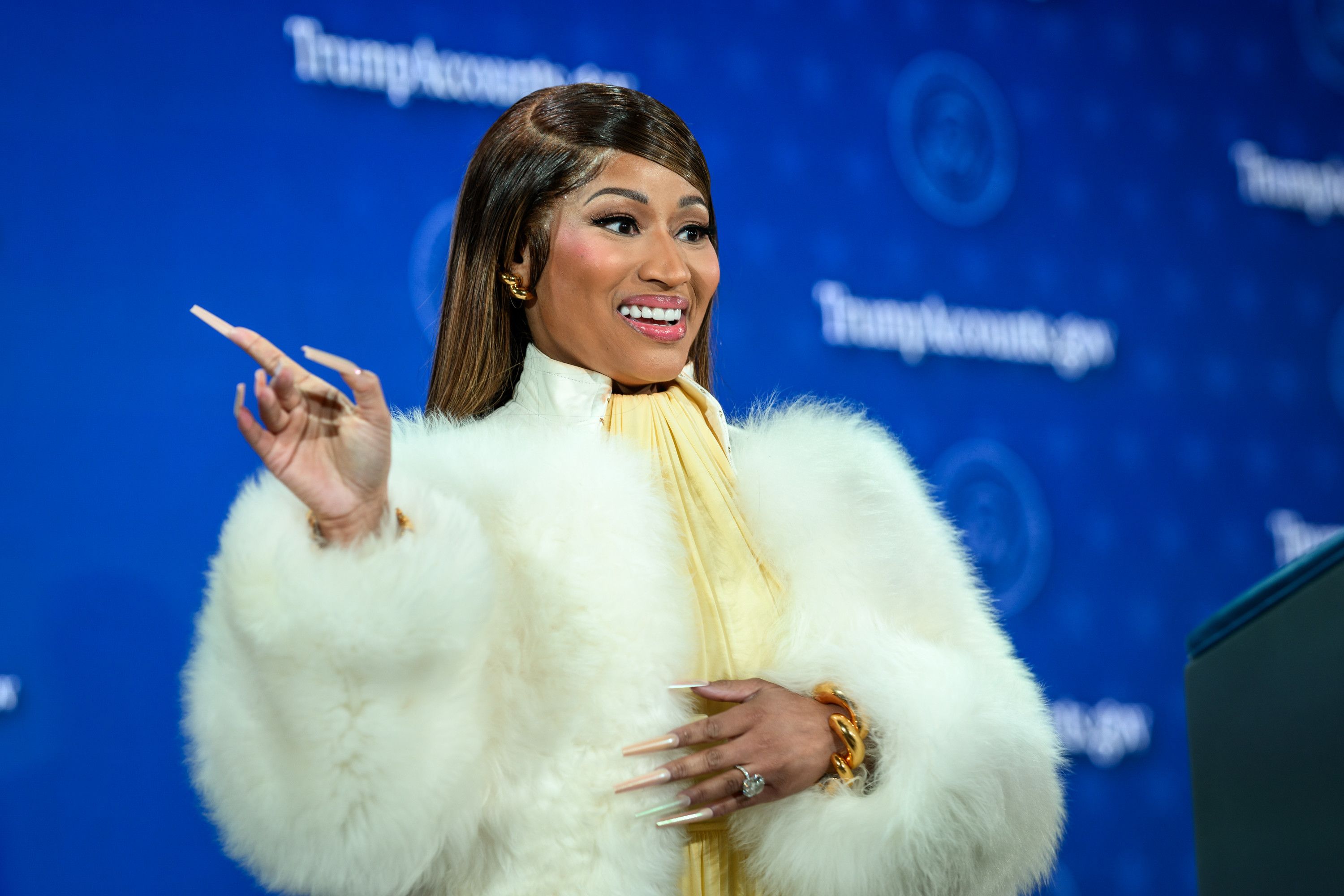
In a recent fiery exchange, rapper Nicki Minaj and activist Cornel West have taken California Governor Gavin Newsom to task for his misguided attempt to connect with Black voters by sharing his low SAT score. During a speech in Georgia, Newsom claimed, “I’m just trying to impress upon you [that] I’m like you.
I’m a 960 SAT guy,” suggesting that he, too, faced academic struggles. This patronizing approach sparked backlash, with Minaj questioning his sincerity and criticizing his condescending delivery, while West condemned the underlying implications rooted in white supremacy.
Accusations of insensitivity aren’t limited to conservatives, as even progressives have called out Newsom’s comments. As he gears up for the 2028 presidential race, the response to his remarks highlights the critical challenge he faces in securing trust among a vital demographic in the Democratic Party.
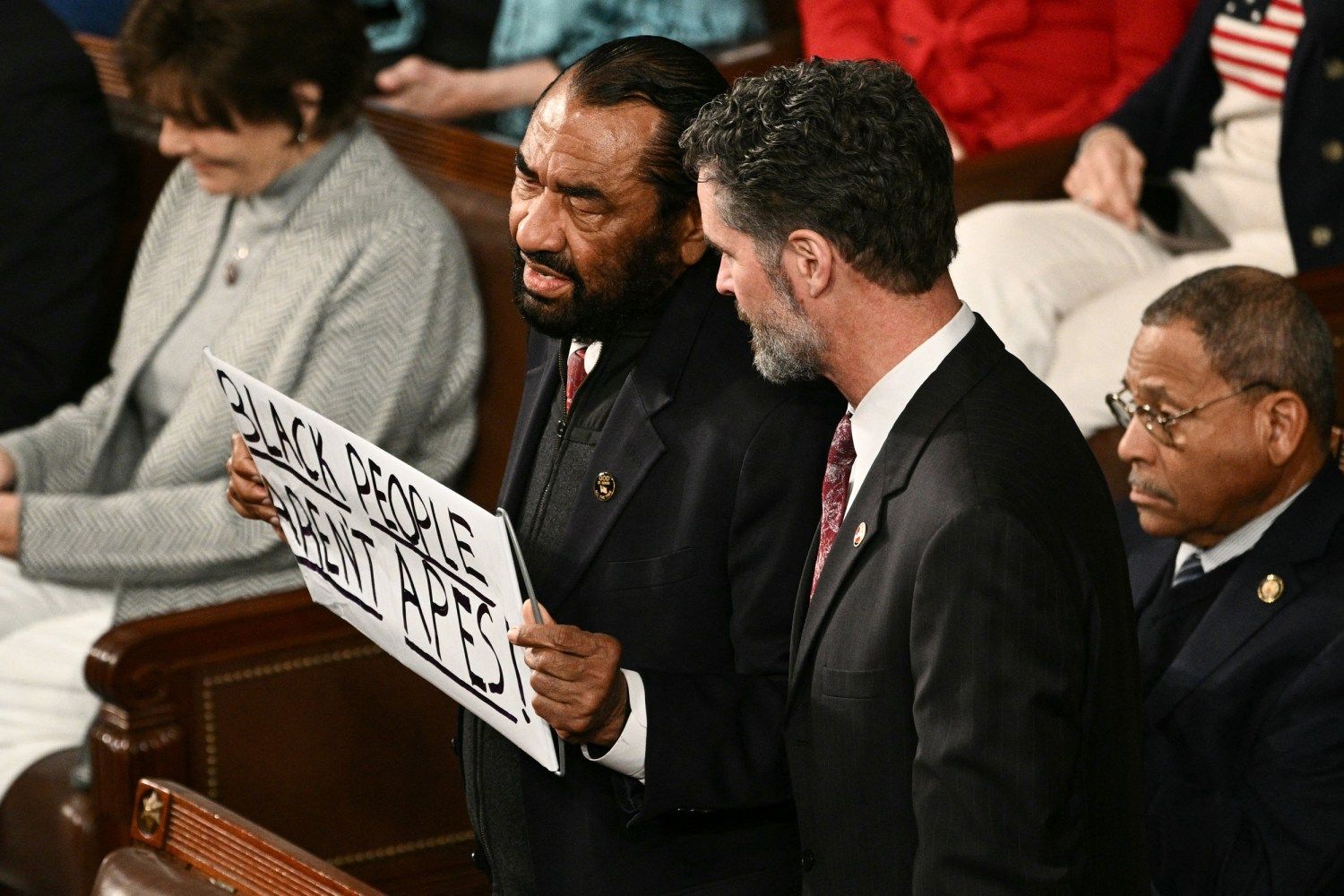
During President Trump's State of the Union address, Rep. Al Green made headlines once again, this time for raising a sign that read "Black People Aren't Apes," a response to a controversial video Trump shared depicting the Obamas in a derogatory manner.
Green, who was ejected from the House chamber for the second consecutive year, defiantly asserted that his actions were intentional and needed to send a message directly to Trump. Following his ejection, he likened his stand to civil rights figures like Dr.
Martin Luther King Jr. and Rosa Parks, emphasizing the importance of standing up for one's beliefs.
As he campaigns in a competitive Texas district, Green's bold gesture serves to underscore his deep disapproval of Trump and highlight his commitment to confronting racial injustices, stating that "some things are worth standing for." The incident adds another layer to the ongoing tensions between Trump and his critics in Congress.
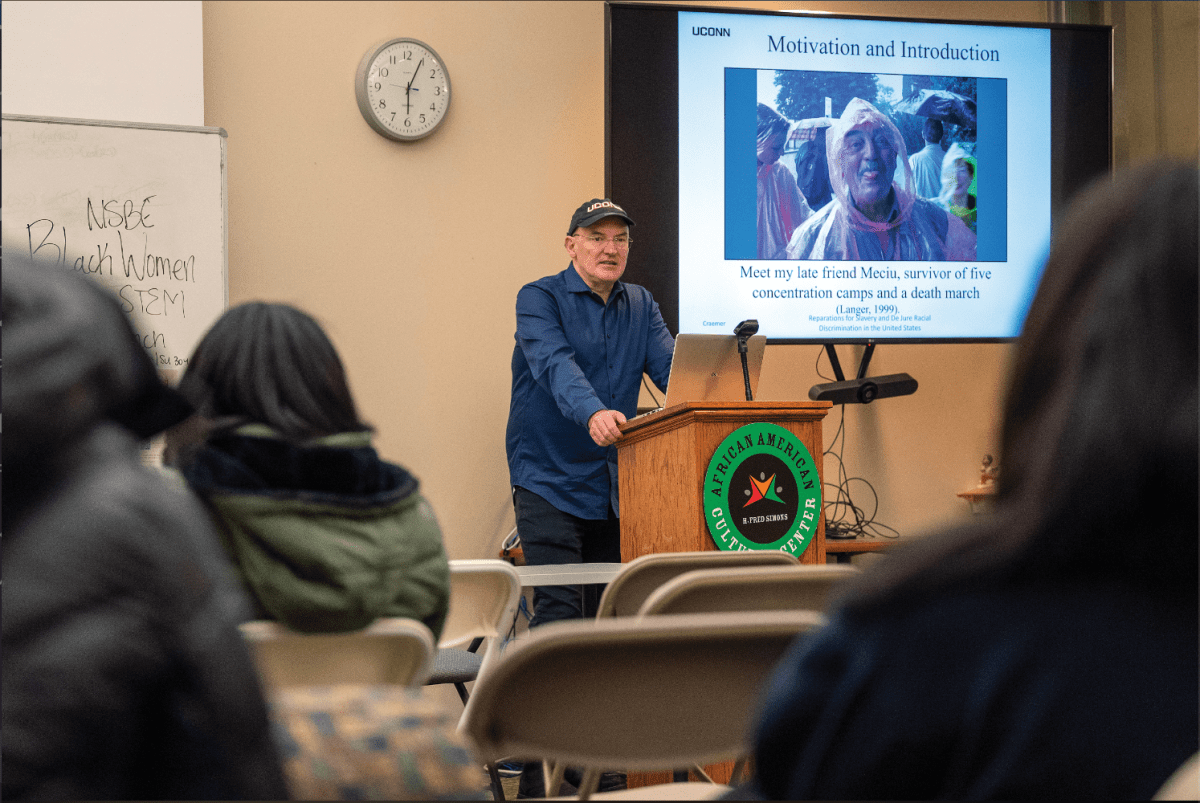
In a thought-provoking lecture at the African American Cultural Center, Dr. Thomas Craemer, a public policy professor at UConn, delved into the complex topic of slavery reparations in the U.
S. Drawing from his research and personal experiences, Craemer emphasized that while reparations can’t change the past, they can mend the fractured relationship between victims and perpetrators.
He outlined key steps for effective reparations: ceasing injustices, issuing a formal apology backed by a meaningful gesture, and fostering a culture of remembrance through education and dialogue. Notably, he calculated the staggering cost of slavery’s impact at $71.
3 quadrillion, illustrating the profound financial and societal losses endured. With historical context and current efforts in states like California and at Georgetown University, Craemer highlighted the urgent need for federal action that matches the gravity of reparations seen in other contexts, challenging the audience to rethink this critical issue.
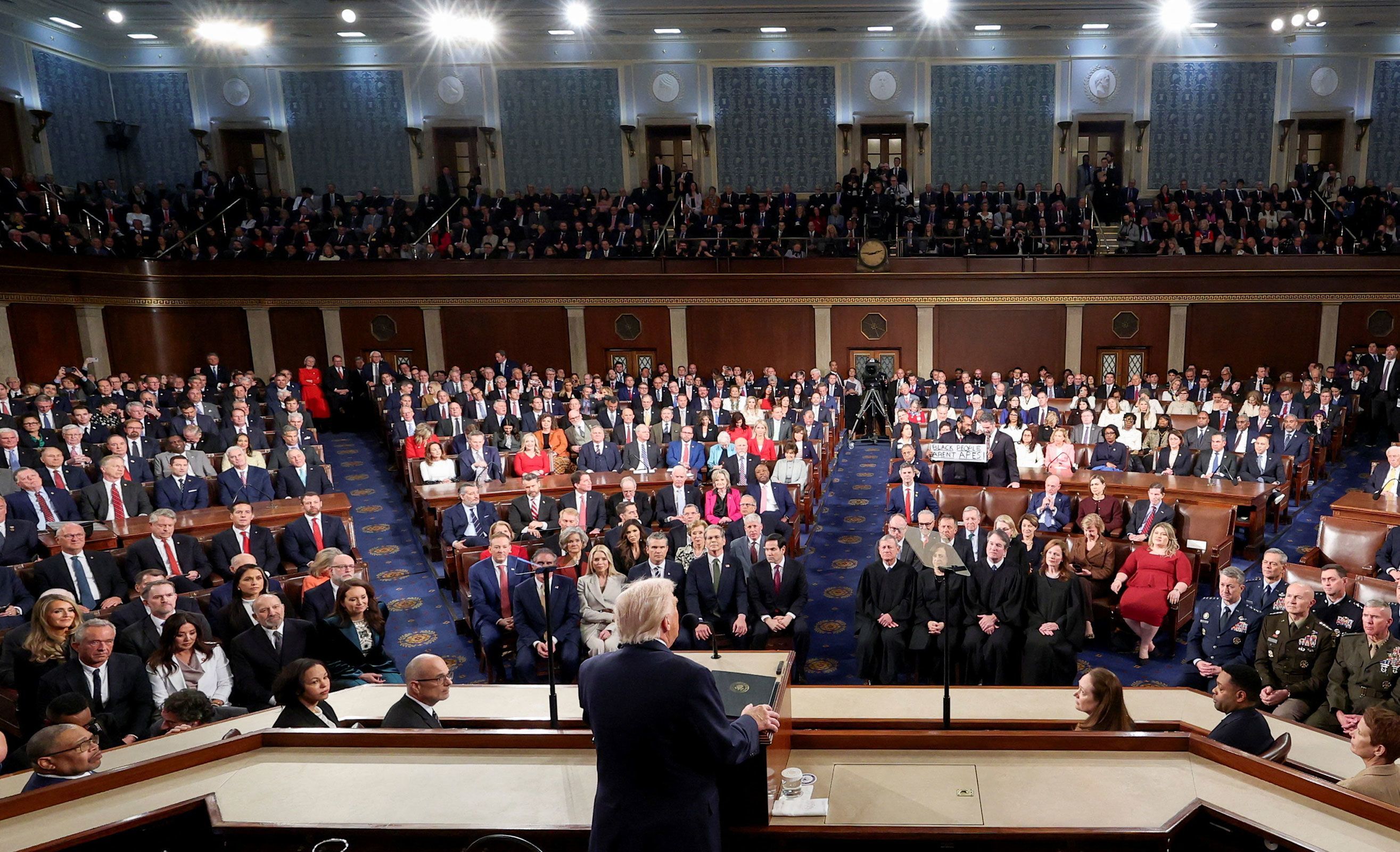
In a recent State of the Union address, former President Donald Trump made a series of bold claims, many of which were promptly fact-checked and debunked. Notably, he falsely asserted that he secured $18 trillion in investments and claimed significant drops in gas prices that did not reflect reality.
Trump talked about the economy "roaring" while overlooking economic growth statistics that show a decline during his term. He reiterated long-standing falsehoods about election integrity, including unfounded accusations of widespread fraud.
Trump's claims about ending wars and improving NATO contributions were equally exaggerated, revealing an air of overstatement in his narrative. Overall, this address was riddled with misleading statements, showcasing a pattern of familiar inaccuracies from his previous speeches and appearances.
The fact-checking underscores the importance of scrutinizing political claims, especially in such high-stakes platforms.

Ghana is leading a significant movement at the United Nations, advocating for the recognition of transatlantic slavery as the "gravest crime against humanity." Supported by 40 African Union (AU) member nations, President John Mahama plans to present this crucial proposal in March, underscoring the historical truth of the transatlantic slave trade that forcibly transported millions of Africans to the Americas.
Highlighting the need for acknowledgment rather than immediate reparations, Mahama asserts that healing begins with recognizing this dark chapter in history. There’s a growing call for justice and reparations among African nations, particularly as the AU declares 2025 the "Year of Reparations.
" While the resolution faces resistance from some quarters, especially in the U.S.
, it ignites a vital conversation about historical accountability and the continuing impact of slavery on contemporary society. The voices of Ghana and the AU aim to bring this profound issue into the global spotlight for necessary reflection and action.
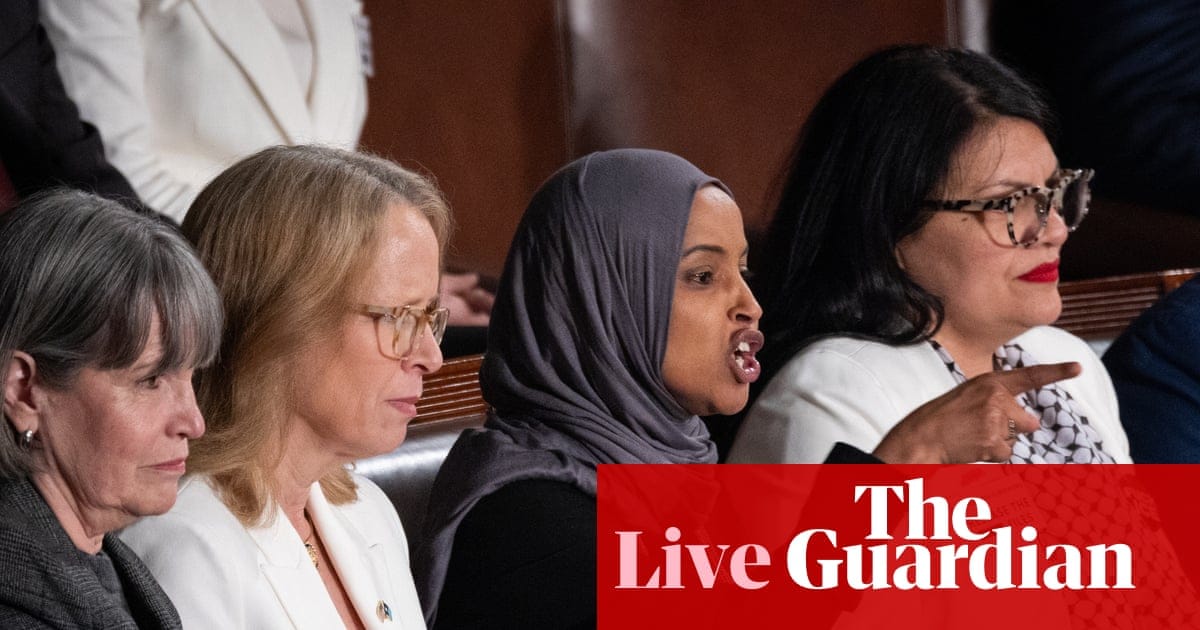
Tensions ran high during Donald Trump's lengthy State of the Union address as Democratic Representatives Ilhan Omar and Rashida Tlaib vocally protested Trump's remarks, accusing him of "killing Americans." House Speaker Mike Johnson revealed he nearly ejected the two for their outbursts, calling their actions “shameful.
” Meanwhile, Senate Minority Leader Chuck Schumer defended the Democrats' decision to remain seated, claiming Trump failed to protect Americans. Omar responded after the address, asserting that Trump was, in fact, a liar.
Trump's speech, marked by bold statements and dramatic claims, further intensified partisan divides, as many Democrats walked out, unable to endure what they characterized as a catalog of lies. Set against a backdrop of growing unrest and criticism, Trump portrayed a flourishing America, despite widespread skepticism about his claims relating to the economy and national security.
The events reflected a polarized political climate, leaving spectators eager for future developments.