- BlackVoter.Org
- Posts
- BlackVoter.Org
BlackVoter.Org

BlackVoter.org
April 08, 2026

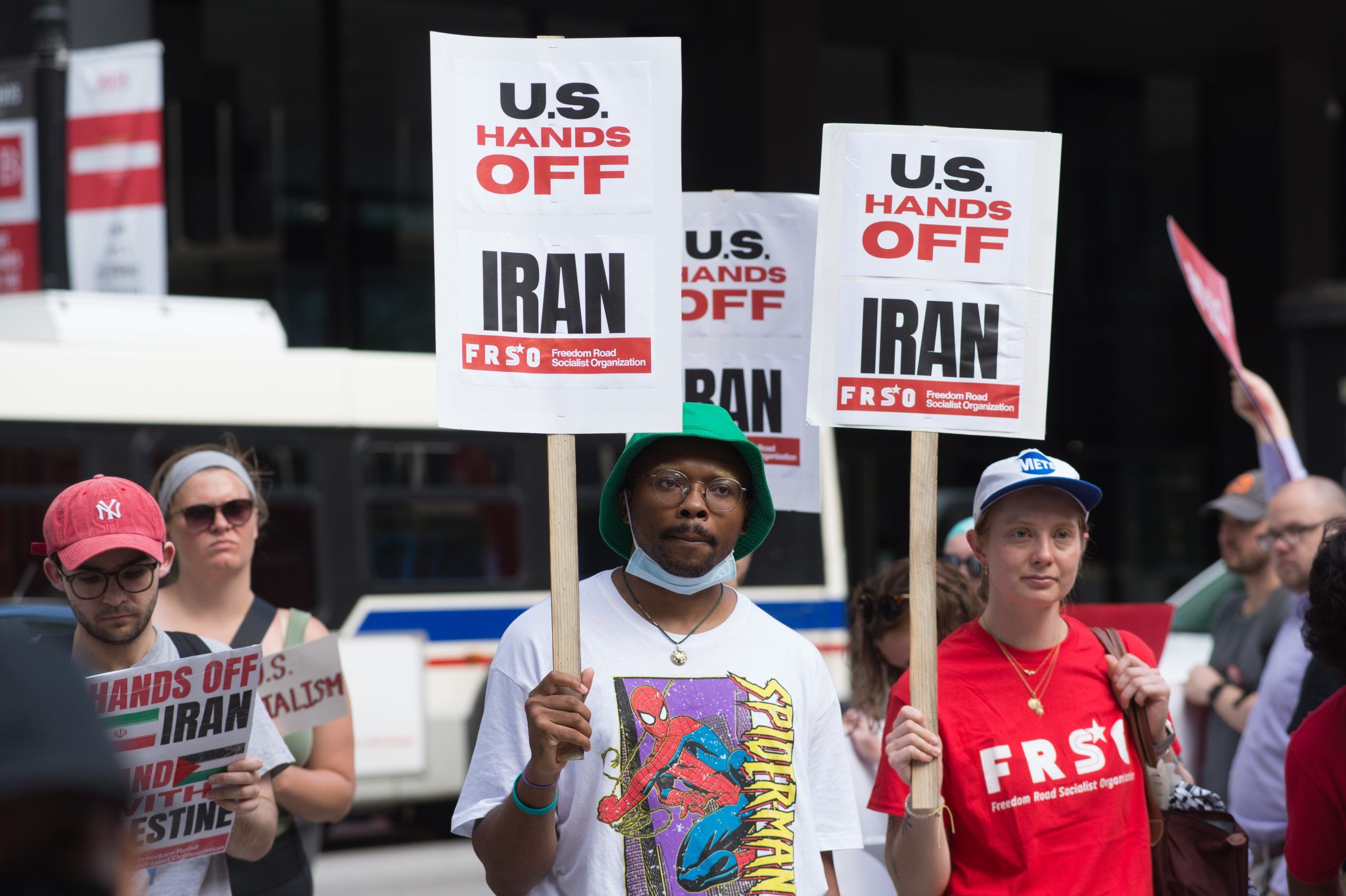
In a bold response to President Trump’s alarming rhetoric regarding Iran, Black leaders are raising their voices in condemnation. Many see his comments—threatening a civilization with annihilation—as dangerously irresponsible, with the NAACP calling for the invocation of the 25th Amendment to remove him from office.
Recent surveys indicate that a significant majority of Black Americans disapprove of the U.S.
war in Iran, reflecting a long-standing skepticism towards military interventions. Analysts highlight that this opposition stems from a deep-rooted empathy regarding violence and a belief in prioritizing community well-being over military spending.
Prominent figures, including U.S.
Representatives and civil rights advocates, continuously push for a stop to what they characterize as a reckless war, urging Congress to take immediate action to protect civilian lives and curb Trump’s aggressive stance. The collective outcry is not only a call for peace but a demand for accountability in leadership during troubling times.
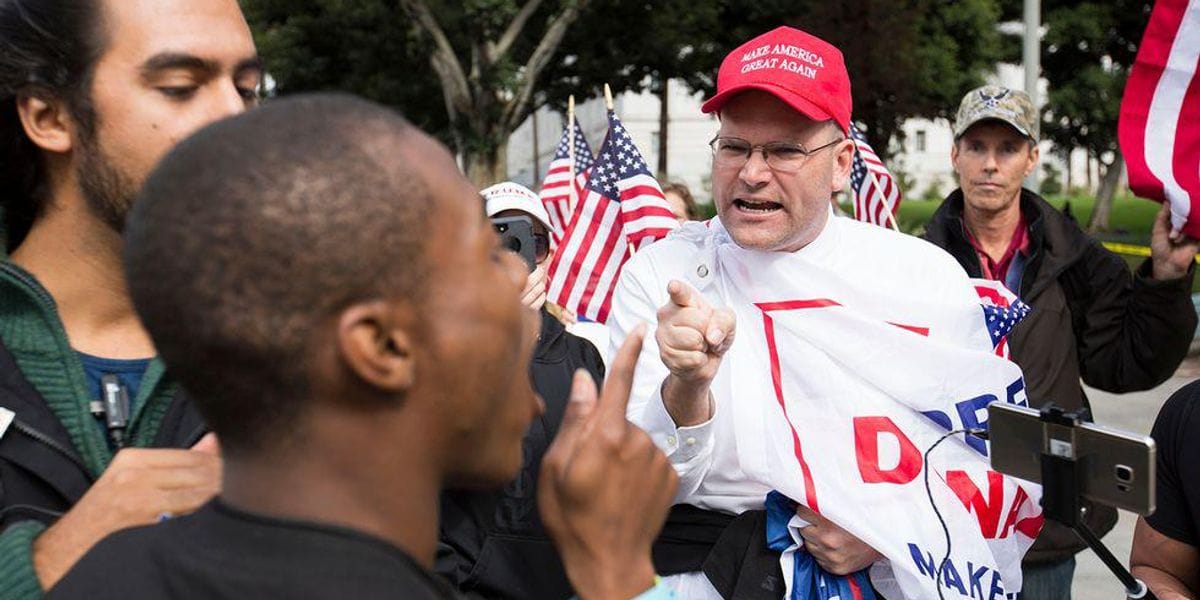
A recent article by conservative pollster Mark Penn and former Democratic politician Andrew Stein reveals how Donald Trump's leadership style is deepening America's divisions at a time when unity is crucial. Despite a long history of national discontent, particularly since the 1970s, the authors argue that Trump has the power to shift the narrative from negativity to optimism.
They suggest he take cues from other nations, like Israel, where a positive political tone fosters national pride and satisfaction. With a significant percentage of voters feeling disillusioned and unhappy with their future under Trump, Penn and Stein urge the president to focus on policies that foster unity and growth, moving away from his typical divisive rhetoric.
Their call to action highlights a potential pathway for Trump to transform his legacy from one of chaos to one of hope and recovery.
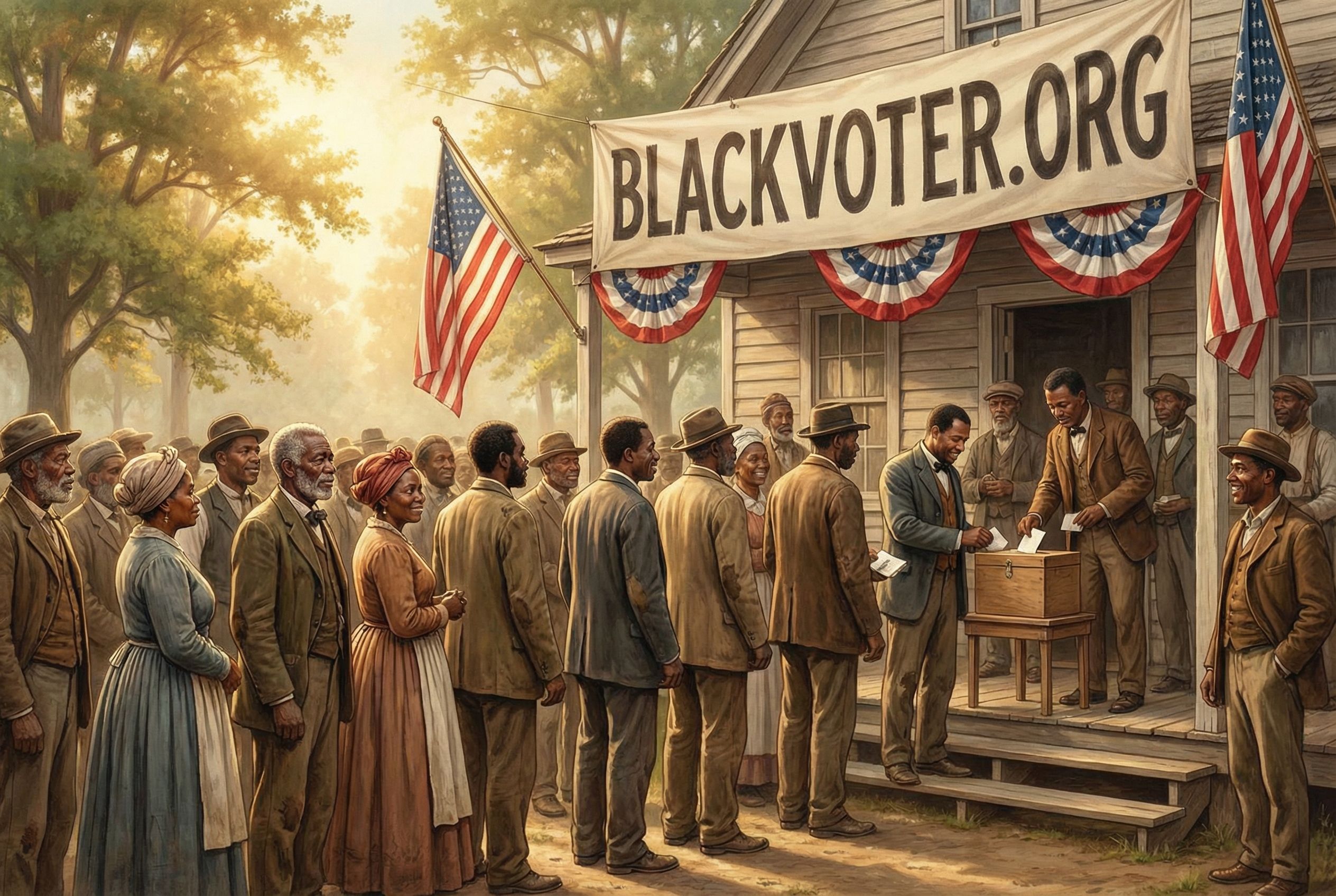
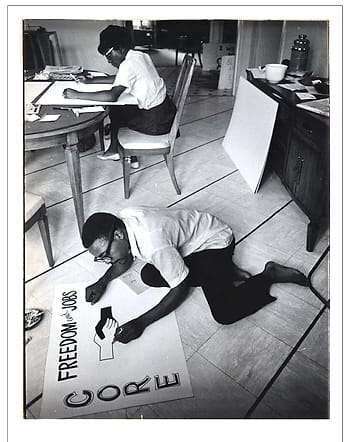
The Louisiana State Voting Rights Act (SB 365) is set to be a pivotal moment for democracy in the state, as advocates rally together to demand immediate action for equal voting rights. With a rally in support of this legislation attracting over 300 citizens, the urgency of protecting voter representation has never been clearer.
Echoing memories of past struggles for civil rights, this initiative seeks to combat voter suppression tactics and ensure fair electoral practices for Louisiana's diverse population, particularly its significant African American community. As courtroom battles threaten longstanding protections, supporters emphasize the importance of this Act in safeguarding democratic integrity and accountability.
The time to act is now, as advocates stress that passing this legislation will not only fortify voting rights but also signal Louisiana’s commitment to inclusivity and representation, honoring the legacy of the Voting Rights Act of 1965. The stakes are high, and delay is not an option.
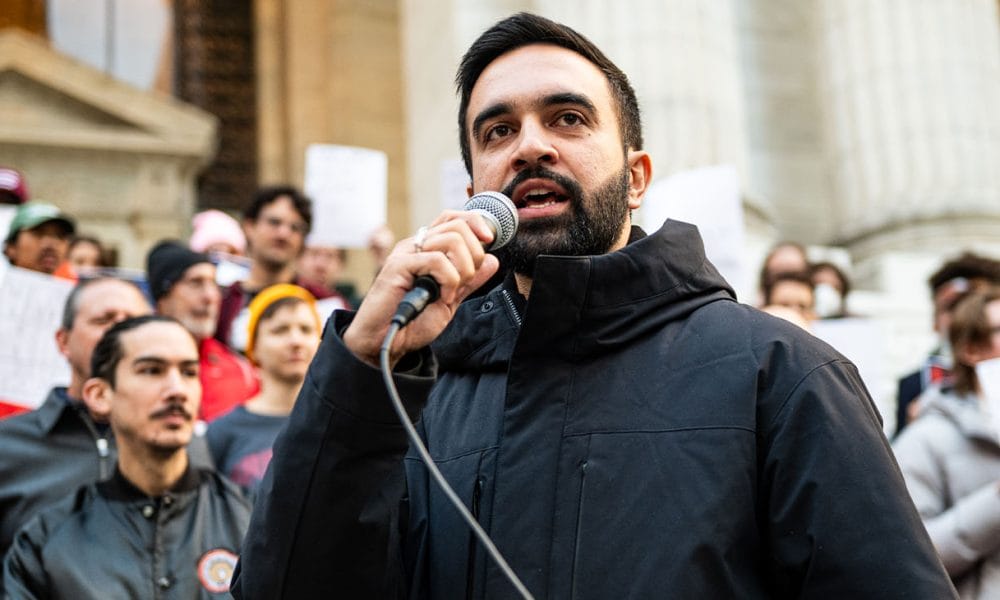
In this compelling op-ed, Dr. Benjamin F.
Chavis Jr. sheds light on the challenges facing Black Americans in urban centers, using New York City's Mayor Zohran Mamdani as a case study.
Chavis critiques Mamdani's administration for its lack of representation and accountability, particularly noting the absence of Black deputies and key initiatives. Despite a strong voter turnout from African Americans and Latinos that helped propel Mamdani to office, Chavis argues that their needs have been overlooked, highlighting issues like poor public housing conditions and the need for racial equity in city policies.
The op-ed underscores the importance of ongoing civic engagement and democratic accountability, calling on voters to hold elected officials accountable post-election. As a pivotal moment approaches for Mamdani's administration, the article boldly questions whether he will live up to the promises made to the communities that supported him.
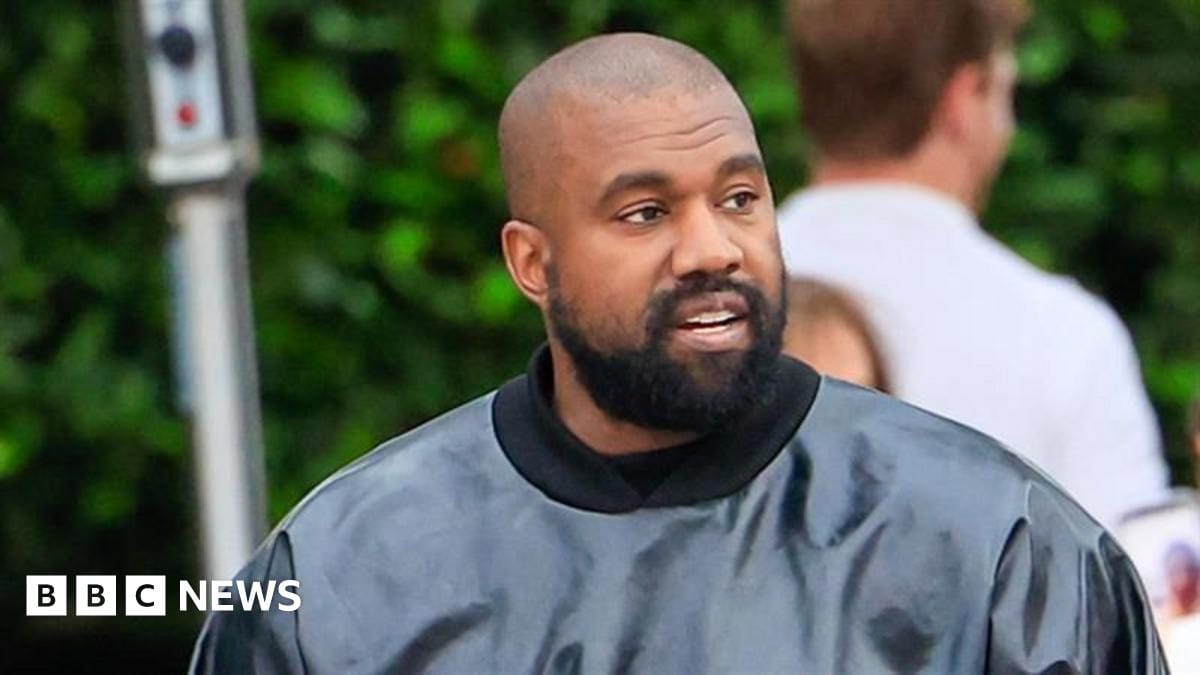
Kanye West, now known as Ye, has had a wild ride from music industry titan to controversy magnet. Bursting onto the scene in the early 2000s with hits like "Through the Wire," he revolutionized hip-hop.
But impulsive moments have dogged his career—infamous interruptions, inflammatory comments on race and slavery, and statements supporting Bill Cosby drew fierce backlash. In recent years, his open antisemitism and bizarre remarks, including praise for Hitler, led to severe social media bans and brand dropouts, causing immense public outcry.
His recent announcement as the headliner for the Wireless Festival has reignited controversy, culminating in the festival's cancellation after the UK government barred his entry. Through it all, Ye has been apologizing and claiming his mental health struggles as part of his erratic behavior while still creating new music.
The saga of Kanye West—filled with highs and lows—raises questions about artistry, accountability, and the impact of celebrity on public discourse.
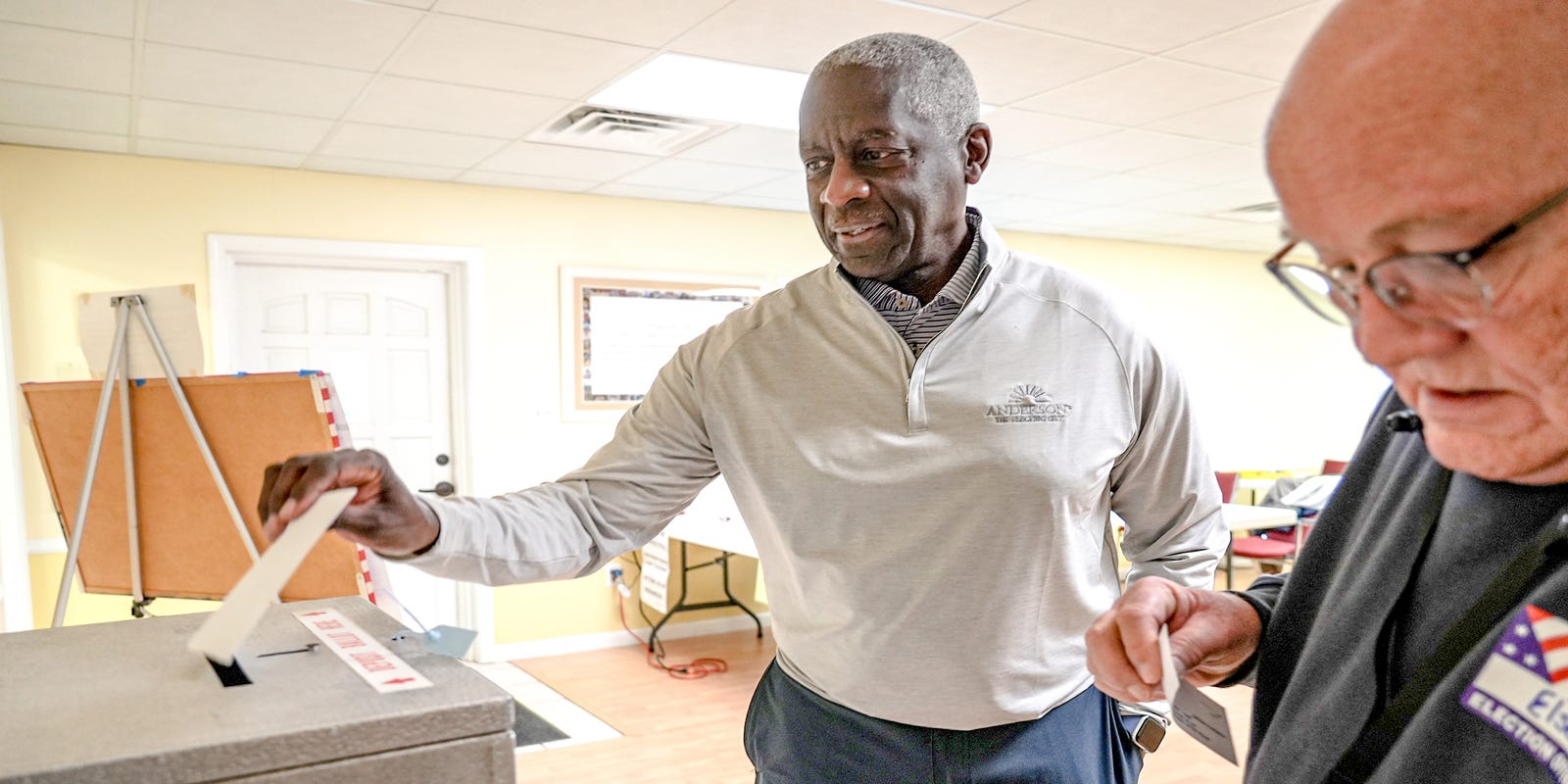
In a decisive victory, Terence Roberts secured his sixth term as mayor of Anderson, outpacing challenger Van Sullivan Jr. with a resounding 975 votes to 306.
The municipal elections held on April 7 also ushered in Tonya Winbush as the new council member for District 5, succeeding the retired Bea Thompson. Winbush, who beat Daryl Thompson with a vote of 134-68, plans to embrace a learning approach in her new role, hoping to honor Thompson's legacy.
Roberts expressed gratitude for the community's support and looks forward to prioritizing public safety and enhancing downtown Anderson over the next four years. This election marks a significant moment for the city, as Roberts faced opposition for the first time in 20 years.
With many seats uncontested, including three city council positions, the future of Anderson looks promising as experienced leaders continue their work alongside fresh perspectives.
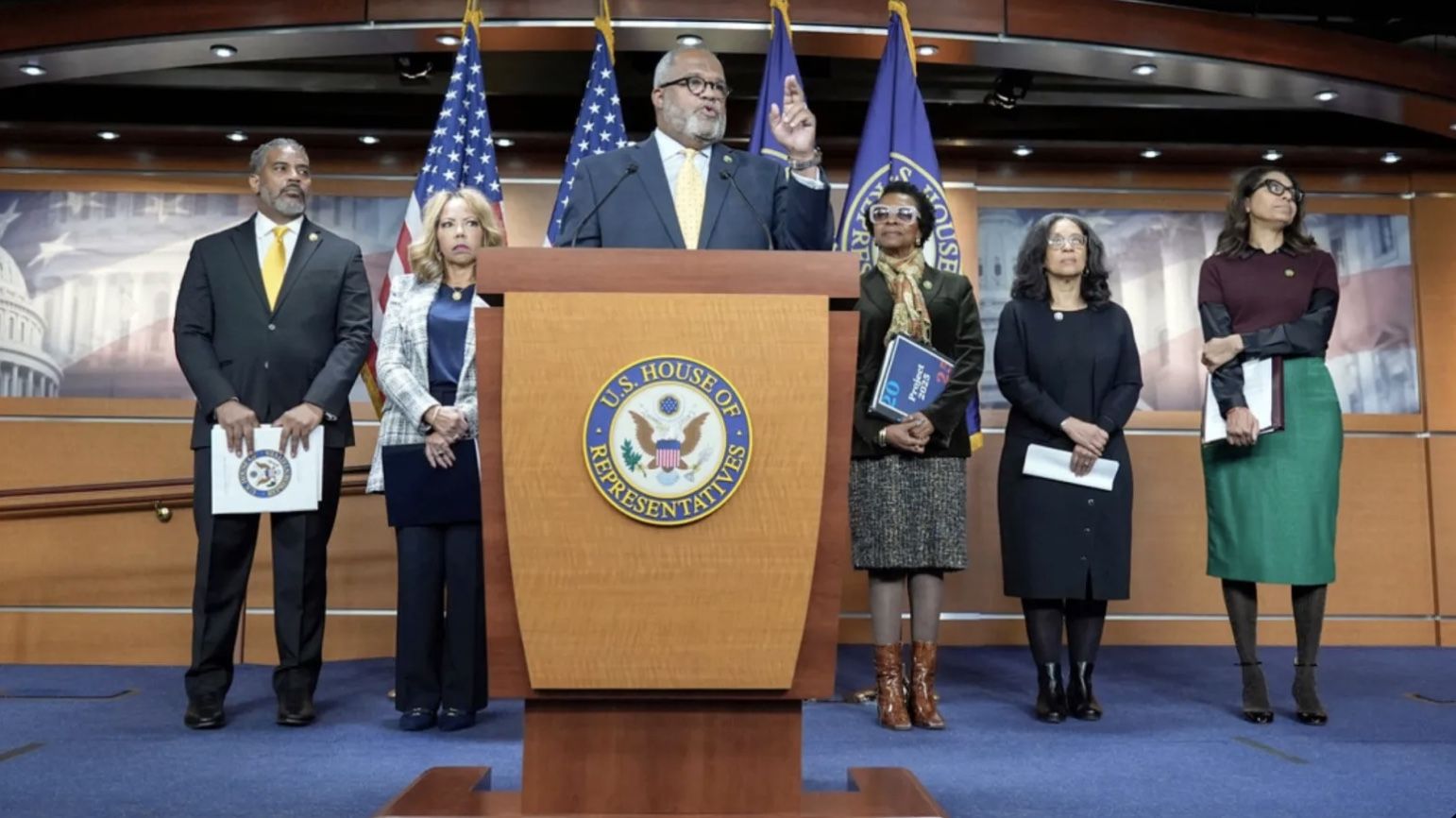
The ongoing Iran conflict is reverberating through Black American communities, deeply affecting both politics and the economy. With rising gas prices and increased military spending, many Black families are feeling the financial strain at home, evidenced by over 600,000 Black women out of work and higher unemployment rates.
Political leaders, including Rep. Yvette D.
Clarke, are raising alarms about how prioritizing defense over domestic issues could undermine civil rights progress. As President Trump’s administration ramps up military involvement, the lack of a clear endgame raises concerns about Black servicemembers who are disproportionately represented in frontline roles.
Moreover, skepticism toward U.S.
military interventions resonates deeply within the Black community, echoing historical figures like Dr. Martin Luther King Jr.
and Muhammad Ali. With rising discontent against the war, Black voters are demanding accountability from their leaders, who’re navigating the fallout of a conflict that impacts their lives most acutely.
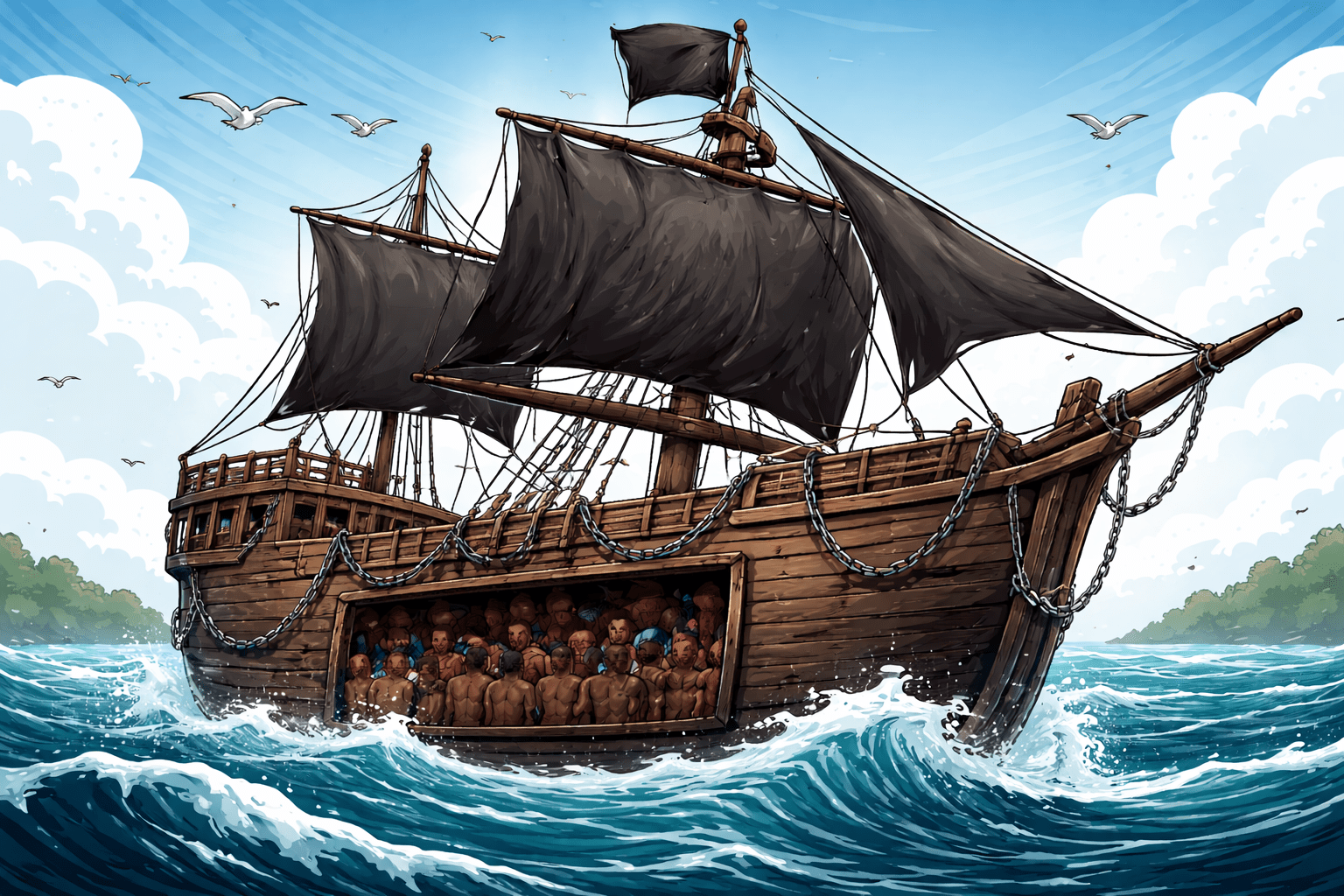
In a powerful editorial, Premium Times highlights the recent United Nations resolution declaring the transatlantic slave trade as "the greatest crime against humanity," urging acknowledgment and reparations for its victims. This landmark decision, backed by 123 nations, underscores a global shift towards confronting historical injustices.
Despite progress, resistance remains from key nations like the U.S.
and some European countries, impeding reparative justice. The article emphasizes that this struggle for reparations is not merely symbolic; it aims to rectify centuries of suffering borne by millions.
Ghana’s President John Mahama is commended for spearheading diplomatic efforts supporting this cause, echoing arguments made for reparations for Holocaust victims. The editorial calls on African nations to unite and reinvigorate their stance, particularly Nigeria, to lead this vital movement for justice.
Ultimately, it’s a compelling reminder that the fight for reparations is integral to healing and rectifying lingering inequalities rooted in historical oppression.