- BlackVoter.Org
- Posts
- BlackVoter.Org
BlackVoter.Org

BlackVoter.org
March 10, 2026


In a powerful gathering at the Wakati Wetu festival in Nairobi, artists and writers united to explore the urgent call for reparative justice in Africa, aimed at addressing the historical injustices of colonialism and slavery. With the African Union designating 2025 as the Year of Reparations, Ghana spearheads this movement, advocating for a comprehensive approach to healing past wounds.
The festival featured impactful discussions, film screenings, and performances, emphasizing the vital role of arts and culture in making reparative conversations more accessible and relatable. Keynote speaker Yvonne Adhiambo Owuor highlighted the necessity of acknowledging historical trauma as a prerequisite for true healing.
While European governments remain reluctant to acknowledge their roles, the movement aims to empower Africans and their diaspora to reclaim their narratives. By combining policy with storytelling, organizers believe they can mobilize wider support for reparations and foster a collective quest for justice across the continent.
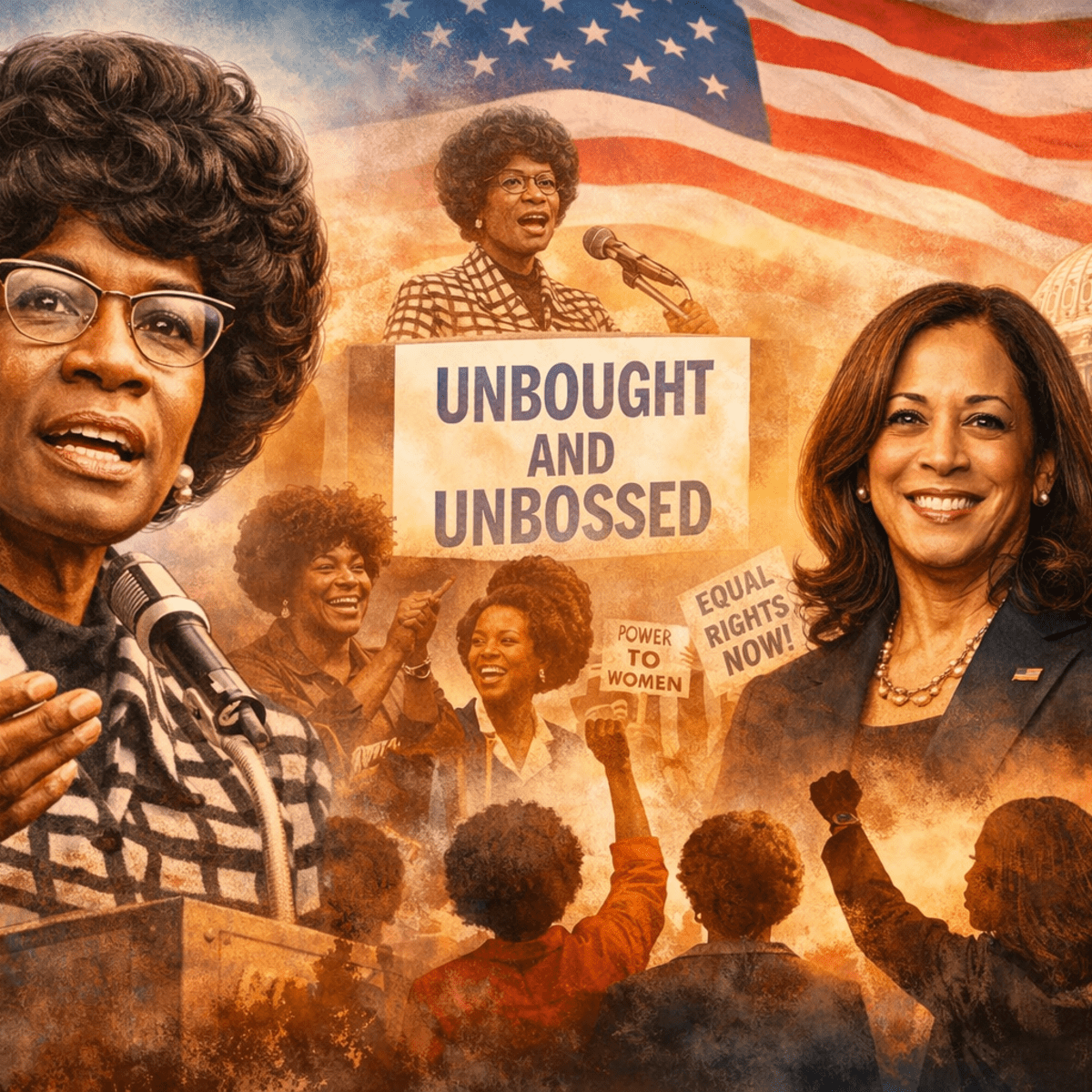
Rev. Irene Monroe's tribute to Shirley Chisholm highlights the enduring influence of Black women in shaping American democracy, particularly during Women's History Month.
Chisholm, the first Black woman elected to Congress and a groundbreaking presidential candidate in 1972, famously described herself as “Unbought and Unbossed.” Her grassroots activism and commitment to addressing community issues, such as education and healthcare, laid the foundation for future generations of Black women leaders.
Today, they continue to be the Democratic Party's backbone, driving voter mobilization and advocating for essential issues like reproductive justice and police reform. Monroe reflects on how Chisholm’s legacy paved the way for figures like Kamala Harris and Ayanna Pressley, emphasizing that true democracy flourishes when marginalized voices are heard.
By connecting political engagement to everyday struggles, Chisholm inspired countless women to claim their power at the ballot box and beyond.
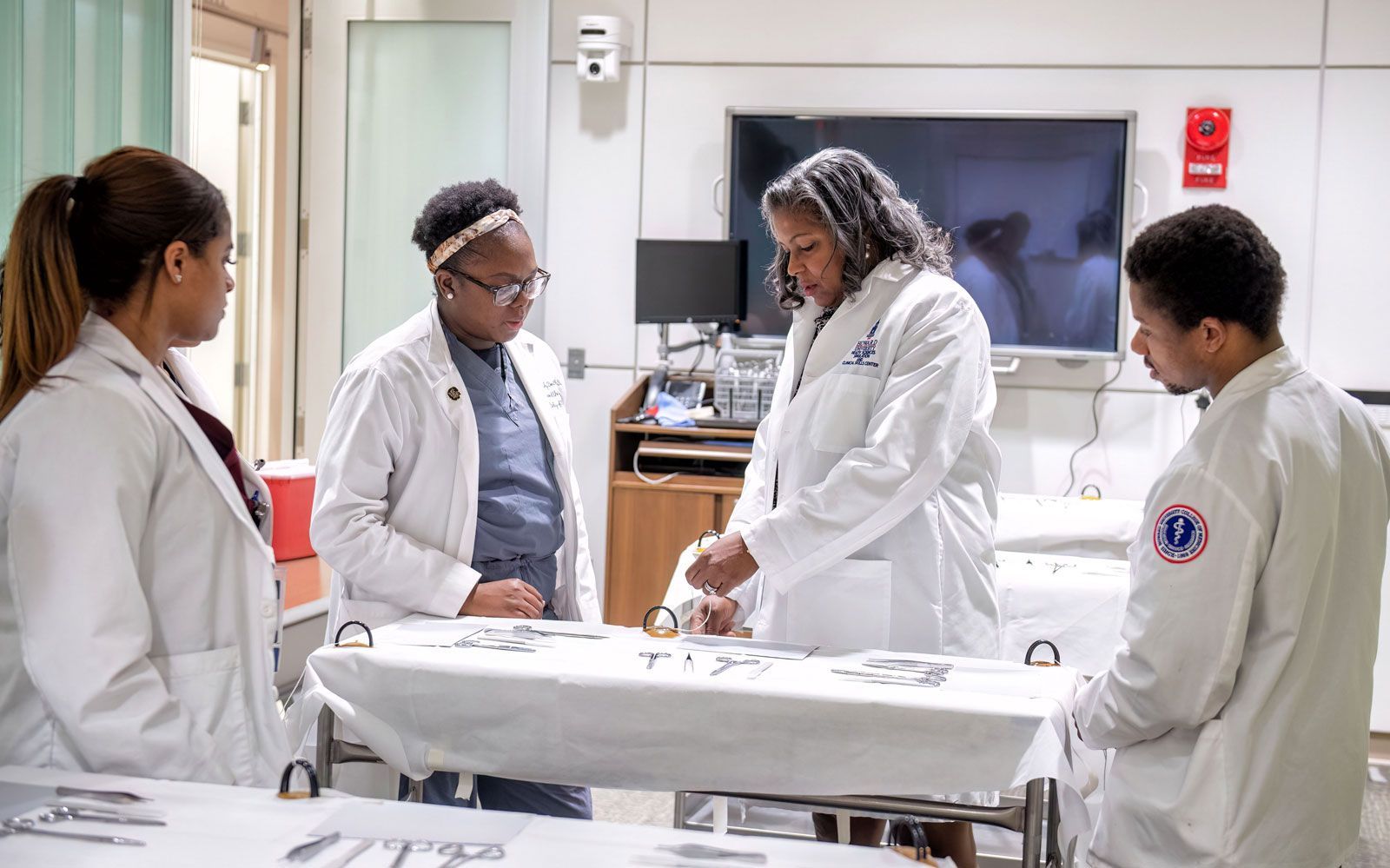
Why are there so few HBCU medical schools? The historical landscape reveals a troubling reality. In the early 20th century, there were seven medical schools aimed at training Black doctors, but a pivotal report hindered their growth, leaving only Howard University and Meharry Medical College standing.
This report, which reinforced systemic racism, shaped the medical education system, creating a significant gap in Black representation in medicine. Despite more than 20,000 medical graduates each year, only 5% are Black, while Black Americans make up over 13% of the population.
While there has been a recent uptick in Black medical students, HBCUs strive to fill this diversity void, preparing future physicians to serve underrepresented communities. The Morehouse School of Medicine and the upcoming collaboration between Xavier University and Ochsner Health indicate a glimmer of hope, emphasizing the ongoing need for inclusive medical education.

Donald Trump has been persistently using the phrase "Barack Hussein Obama" to cast a shadow over the former president's identity, but the name itself reveals a much brighter story. Far from the negative implications Trump aims for, Obama’s name translates to “one who is blessed, good, and handsome,” a meaningful reminder of his African heritage.
While Trump’s rhetoric seeks to portray Obama as foreign and un-American, many commentators argue it’s actually a tactic meant to stir prejudice. Fascinatingly, “Hussein” means “handsome” in Arabic, and “Barack” signifies “blessing” or “prosperity.
” As the debate continues, analysts suggest that Trump’s attempt to demean Obama ironically highlights the positive virtues embedded in his name. In contrast to Trump’s often juvenile insults, the essence of "Barack Hussein Obama II" serves as a testament to legacy and virtue—a far cry from the intended disparagement.

Amid a looming government shutdown, Black Americans face significant consequences due to a fierce political battle over health care funding. As negotiations falter, Democrats push to extend critical subsidies under the Affordable Care Act (Obamacare) while combating billions in proposed Medicaid and Medicare cuts.
With Black workers disproportionately represented in the federal workforce, any shutdown could exacerbate existing challenges, including rising unemployment rates—especially among Black women—while leaving many without pay for their vital services. Former CMS administrator Chiquita Brooks-LaSure warns that failing to restore these health care subsidies could lead to hundreds of thousands losing coverage or facing skyrocketing premiums.
Congressional leaders, including U.S.
Rep. Hakeem Jeffries, emphasize that the ramifications are dire, affecting quality of care and health outcomes, particularly for issues like maternal mortality and chronic diseases that disproportionately impact Black communities.
This situation highlights an urgent civil rights crisis as health care accessibility hangs in the balance.
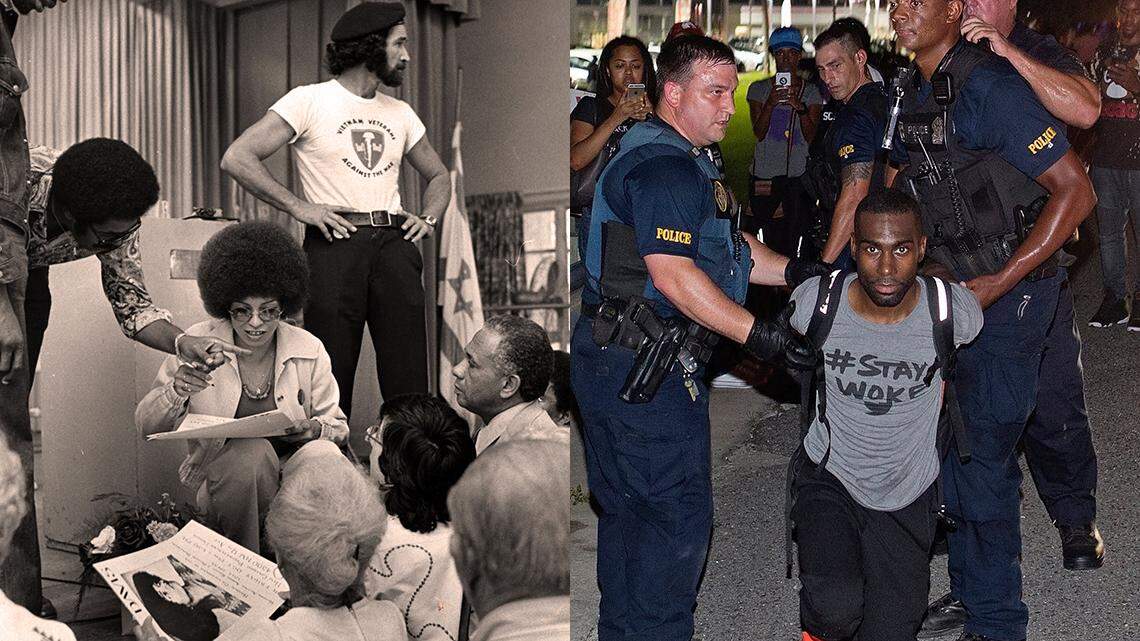
The recent passing of civil rights icon Rev. Jesse Jackson has sparked a reflection on the evolution of leadership within the civil rights movement.
While the old guard—figures like Angela Davis and Andrew Young—continues to inspire, the mantle has shifted towards a new generation of activists leveraging the power of social media to champion social justice. Today’s leaders are not as easily identifiable as past figures, operating collectively through digital platforms to address issues such as police brutality, voting rights, and educational equity.
This decentralized approach allows for rapid organizing and immediate impact, often emerging spontaneously as crises arise. Notable contemporary activists like Stacey Abrams and DeRay Mckesson exemplify this shift, using online strategies to drive change.
The essence of the movement remains the same, echoing the sentiments of past leaders that while methods have evolved, the fight for equality and justice continues unabated in today’s digital age.

In a powerful act of reparative justice, the nonprofit Change Today, Change Tomorrow received a surprise six-figure donation from a white descendant of a Kentucky enslaver. The anonymous donor, having recently inherited wealth, traced their family history back to their great-grandfather, who enslaved six individuals.
Acknowledging the profound wrongs of the past, the donor expressed their commitment to addressing inequity by contributing to organizations that support Black and marginalized communities. Deputy Director Nannie Grace Croney noted the significance of this donation for sustainable social investment.
The donor’s heartwarming message emphasized the necessity of parting with unjust gains and committing to further reparations in the future. This remarkable gesture highlights a growing conversation around reparations, as individuals and organizations begin to recognize and address historical injustices, aiming to uplift those affected and create a more equitable society.