- BlackVoter.Org
- Posts
- BlackVoter.Org
BlackVoter.Org

BlackVoter.org
December 24, 2025


Detroit is poised for a transformative era under the leadership of Mayor-elect Mary Sheffield, who is set to make history as the city's first woman mayor. Her inauguration is scheduled for January 9, and she's keen on making this a moment for the entire community, emphasizing that her administration's mission is centered around the people of Detroit.
Sheffield's transition team has launched an extensive initiative, "Rise Higher Detroit," focused on gathering feedback from residents to shape her first 100 days in office. Key appointments include David Bowser as chief of staff, who will help implement community-centered policies, and Brian White as deputy mayor.
Sheffield's priorities involve establishing new departments to enhance services, tackling gun violence through a dedicated office, and fostering economic growth through equity initiatives. With a commitment to transparency and engagement, Sheffield's leadership promises to resonate across Detroit's neighborhoods, aiming for genuine progress and revitalization for all residents.

/

Rod Paige, the first African American U.S.
Secretary of Education, has passed away at 92, leaving behind a remarkable legacy. Appointed by President George W.
Bush, Paige was instrumental in launching the No Child Left Behind law, aimed at setting universal testing standards and enhancing educational equality. Born in Monticello, Mississippi, to teachers, he made waves as a football coach before shifting his focus to education, where he served as superintendent of the Houston Independent School District.
Paige's commitment to high expectations and reform earned him national recognition, though his policies sparked ongoing debate about standardized testing. Even in his later years, he remained passionate about education, sharing insights on what works in the system.
Remembered as a trailblazer and visionary, Paige's impact on education continues to resonate, reflecting his belief that a child’s potential should not be limited by circumstances.
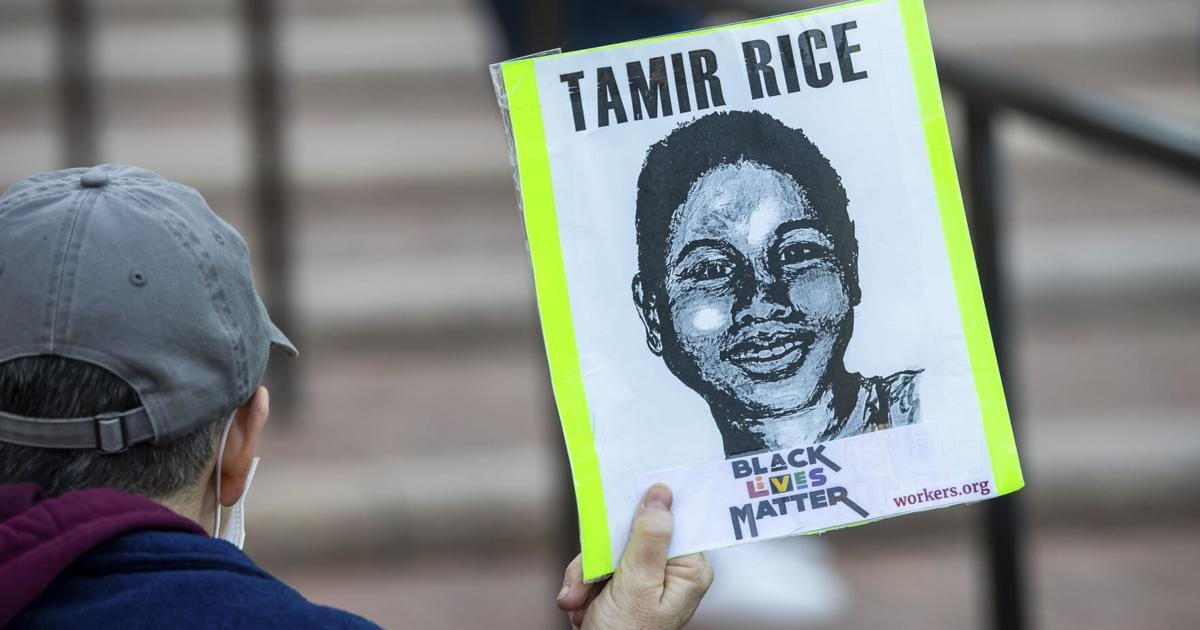
Timothy Loehmann, the former Cleveland police officer who fatally shot 12-year-old Tamir Rice in 2014, has been dismissed from his recent ranger position at a West Virginia resort. Rice’s tragic death sparked widespread protests and calls for justice, and Loehmann’s termination marks another chapter in a contentious history; this is the fourth time he has left a law enforcement role due to public backlash.
The resort's board made the decision after an emergency meeting, reflecting the ongoing controversy surrounding Loehmann’s past actions. As the community continues to advocate for accountability and justice, the implications of his firing resonate deeply within conversations about law enforcement practices and their impact on society.
This incident serves as a poignant reminder of the enduring complexities surrounding issues of race, police conduct, and public trust.

Nicki Minaj is stirring up controversy as she embraces Trump-era politics, leaving fans buzzing with questions. Recently, the rapper appeared at Turning Point USA’s AmericaFest, praising Trump and VP JD Vance while raising eyebrows, especially since Vance's late wife, Erika Kirk, previously criticized Minaj's influence on young Black girls.
This shift in Minaj’s political stance has triggered speculation among fans, particularly in light of past criticism she directed at Trump. From a joking endorsement of Republicans in 2012 to a vocal stance against family separations during his administration, her views have evolved.
As Minaj shares anti-trans messages and engages in online feuds with Democratic figures, her motives are under scrutiny amid rumors tied to her husband’s legal issues.
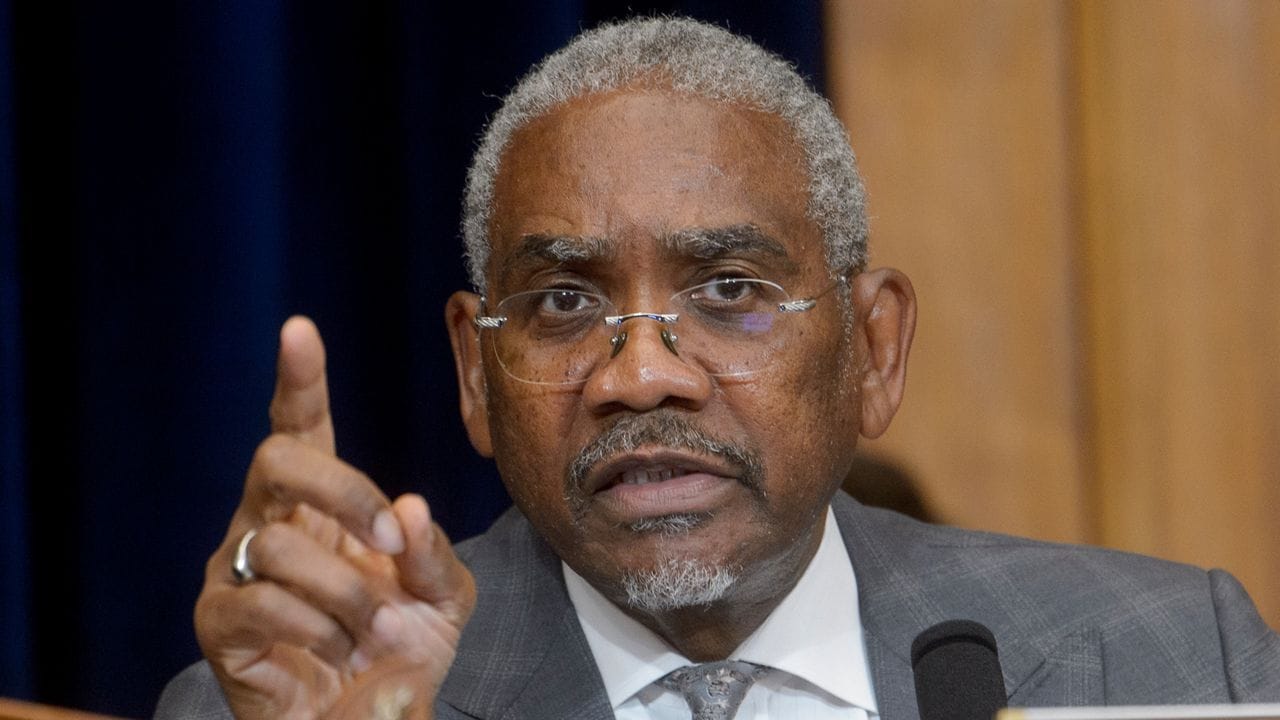
Queens Congressman Gregory Meeks is stepping up to halt the sale of advanced AI chips to nations like China, Russia, and Venezuela. His proposed legislation aims to block export licenses for these powerful technologies, especially following President Trump’s approval of Nvidia's sale of H200 chips to China—a decision that Meeks argues endangers U.
S. national security.
With rising concerns about an "AI arms race," Meeks emphasizes that "American national security cannot be sold for the benefit of profit.” Meanwhile, Florida Rep.
Brian Mast introduces counter-legislation, allowing Congress to review and possibly block such sales within 30 days. As tensions escalate, Meeks is determined to push his legislation forward, potentially using a discharge petition to force a vote.
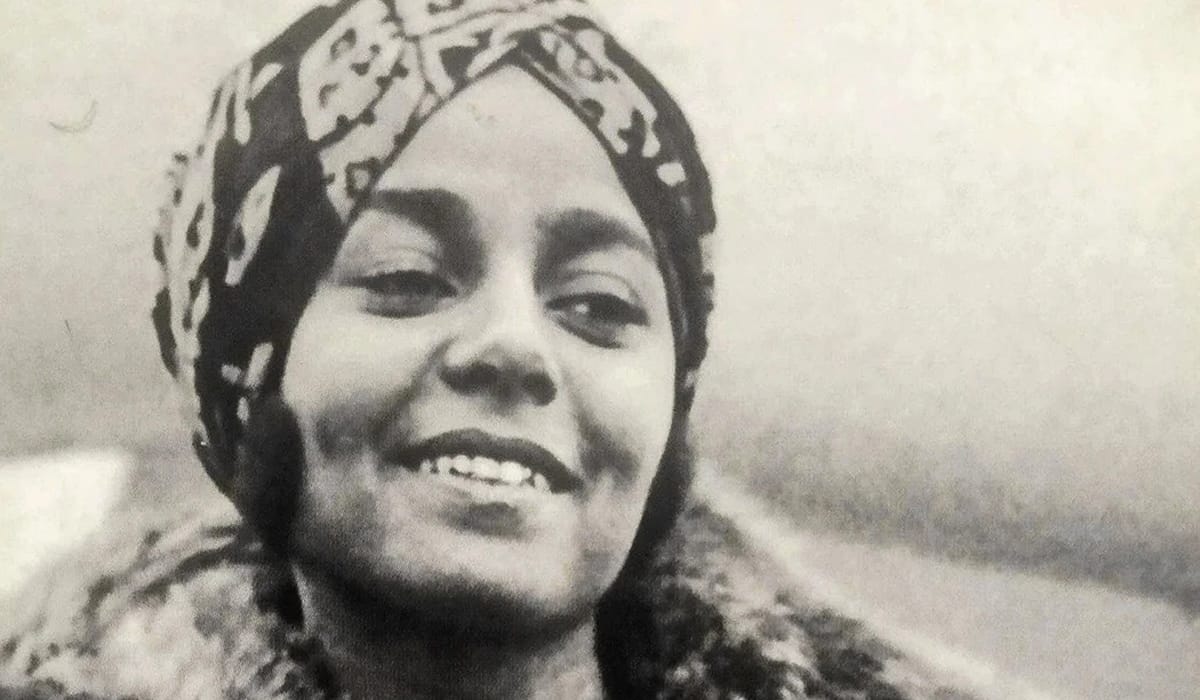
Stéphanie St-Clair, a formidable figure in Harlem’s 1920s underworld, is a fascinating yet often forgotten icon of resilience and rebellion. Known as “Queenie” to the mafia and “Madame St-Clair” among the Black community, this Martinican immigrant rose from a life of hardship to dominate the underground lottery scene.
Her tenacity forged an empire despite facing the challenges of being a Black woman in a racially charged environment. St-Clair's daring operations earned her both fear and respect, especially as she clashed with notorious mob bosses like Dutch Schultz and Lucky Luciano.
Beyond her criminal endeavors, she fearlessly exposed police corruption and fought for justice through the press. Author Raphaël Confiant seeks to revive her legacy in his novel "Madame St-Clair," shining a light on her role as a symbol of Black empowerment during a time of significant cultural awakening in America.
Her remarkable story reshapes our understanding of Black identity and resilience.
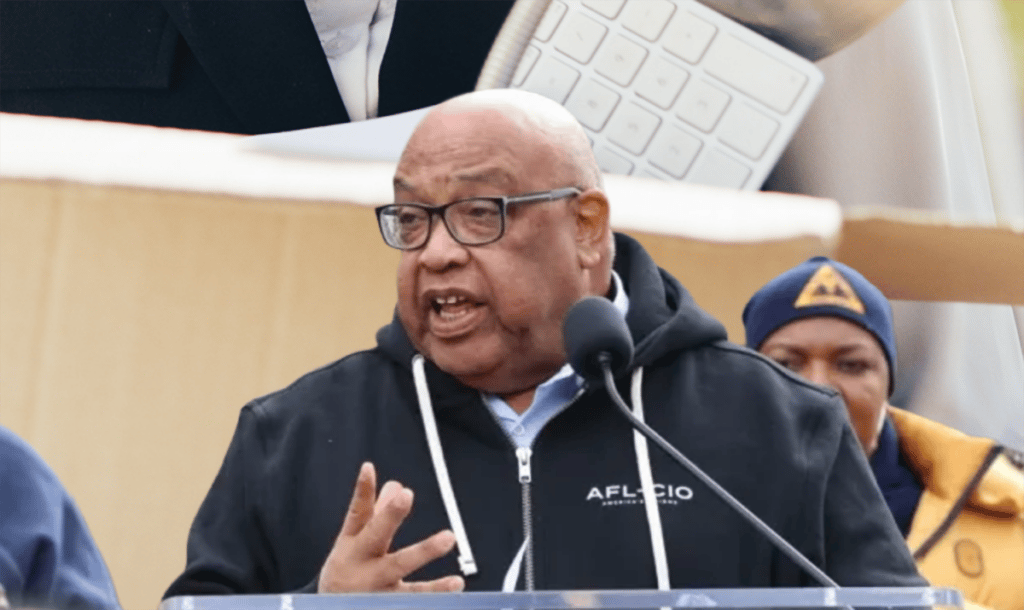
In a powerful piece by Fred Redmond, he warns that the Voting Rights Act (VRA) is facing significant threats, jeopardizing not only the voting power of marginalized communities but also the rights of workers. He recalls the transformative impact of the VRA, which was championed by civil rights leaders and labor unions alike, leading to increased representation and narrowing wage gaps between Black and White workers.
However, recent Supreme Court decisions, like the one endorsing a discriminatory Texas congressional map, signal a troubling decline in democratic protections. Redmond argues that as voting rights erode, workers' rights do too, emphasizing that a strong democracy is vital for worker empowerment.
He calls for renewed efforts to pass the John R. Lewis Voting Rights Advancement Act, asserting that the fight for voting rights is intrinsically linked to labor rights.
Workers built this democracy, and they must defend it now more than ever.