- BlackVoter.Org
- Posts
- BlackVoter.Org
BlackVoter.Org

BlackVoter.org
December 01, 2025

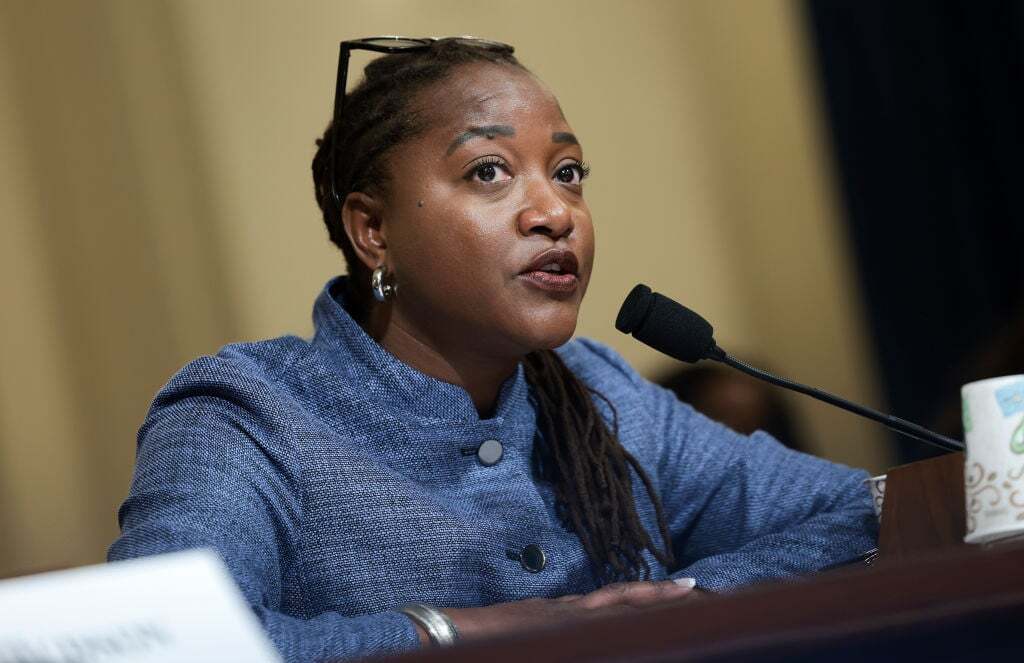
Meet Janai Nelson, an inspiring civil rights attorney who recently made her mark by arguing her first case before the U.S.
Supreme Court. In a pivotal moment for Black voting rights, she stood in defense of the Voting Rights Act of 1965 in Louisiana v.
Callais. Nelson, president of the NAACP Legal Defense Fund, passionately advocated for the establishment of a second majority-Black district in Louisiana, combating claims of racial discrimination by opposing attorneys.
Drawing from her extensive experience and scholarly expertise, Nelson emphasized the historical context of racial discrimination affecting Black voters. With a hopeful outlook, she expressed her desire for a favorable ruling that could shape the future of voting rights across America.
As Nelson takes on this monumental challenge, she carries the legacy of countless civil rights leaders, aiming to ensure a robust democracy that upholds the freedom and equality promised to all citizens.

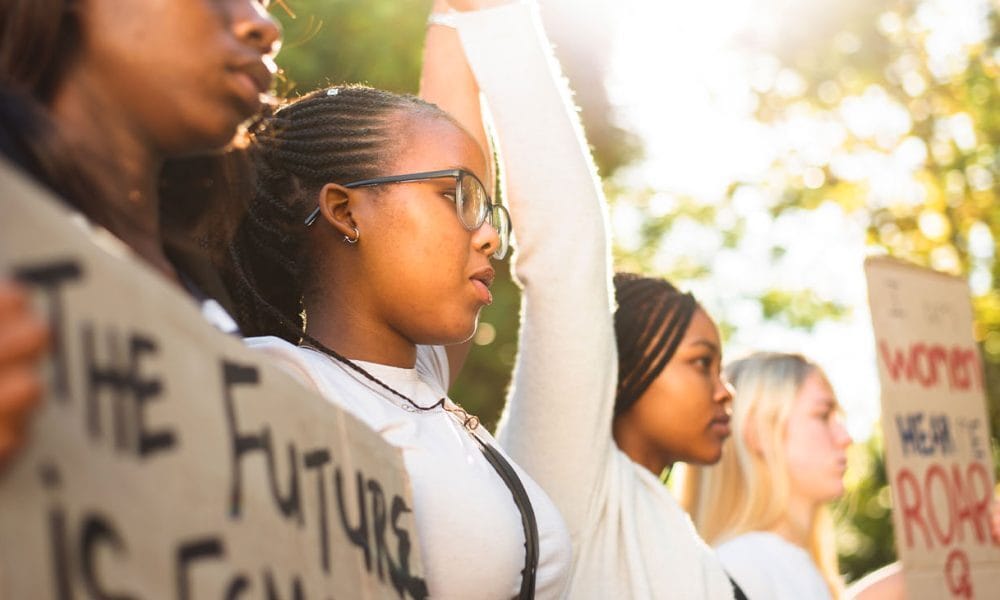
In the face of escalating attacks on journalism from the Trump administration, a new study reveals that teens are increasingly skeptical of the news. The News Literacy Project found that 84% of teenagers describe the media with negative terms like "fake" and "chaotic," fostering a troubling distrust in valid journalism.
One-third of respondents feel journalists are more skilled at deception than at informing, with alarming beliefs that reporters fabricate quotes and misrepresent facts. This crisis in media credibility coincides with a broader decline in public trust, where only 28% of adults believe in mass media's integrity.
As young audiences look for news, they often turn to fragmented sources, leaving them vulnerable to misinformation and propaganda. Amid this turmoil, the Black Press of America stands firm, upholding a rich legacy of advocacy and truth, ensuring that marginalized voices continue to be heard and respected.

Welcome to Instagram! This vibrant platform is all about sharing your world through photos and videos. Whether you’re connecting with friends, discovering new trends, or showcasing your creativity, Instagram offers endless possibilities.
Easily log in to experience a visually stunning feed tailored to your interests, or sign up to join a global community passionate about self-expression. With features like Stories, Reels, and IGTV, there's always something exciting happening—so dive in and explore! Have questions or need support? Check out our help section for quick assistance.

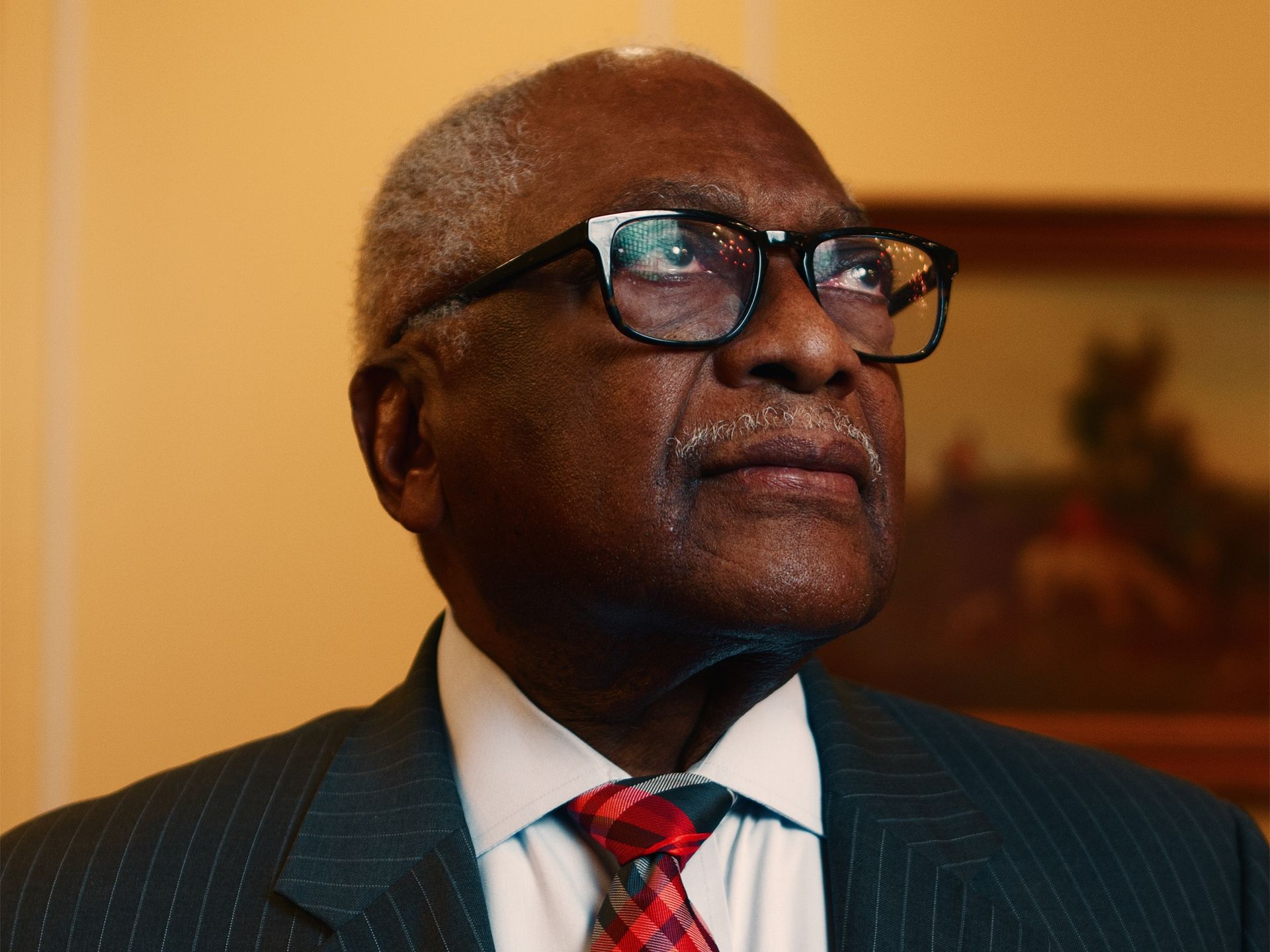
In his new book, The First Eight, Rep. Jim Clyburn of South Carolina honors the unsung Black politicians who paved the way for his own legacy.
For over three decades in Congress, Clyburn has fought to ensure the stories of the eight Black congressmen who served during Reconstruction are not forgotten. Through vivid storytelling, he highlights remarkable figures like Robert Smalls, a former slave who seized a Confederate ship to secure his freedom and later became the first African American captain in the U.
S. Navy.
Clyburn also draws parallels between past and present political struggles, emphasizing the urgency of preserving democracy and the importance of substance over style in politics today. As he reflects on the lessons from these pioneers, Clyburn encourages readers to engage actively with their civic responsibilities, reminding us that history has a tendency to repeat itself if we’re not vigilant.

In a fiery column, Femi Fani-Kayode reacts to former President Donald Trump's alarming threats of war against Nigeria, accusing him of trying to provoke a religious conflict for ulterior motives. Describing Trump as a modern-day tyrant, he emphasizes that America’s intentions are driven by greed for Nigeria's rich resources, rather than genuine concern for the nation's crises.
Fani-Kayode argues that both Christians and Muslims in Nigeria share a common plight against Western-backed terrorism and calls for a united front against external threats. He warns that if military aggression occurs, it will devastate all citizens regardless of faith.
Ultimately, he champions resilience and divine justice, asserting that Nigeria must stand firm against any form of oppression and never bow to foreign bullies. This impassioned plea seeks to awaken national pride and fortitude in the face of impending challenges.
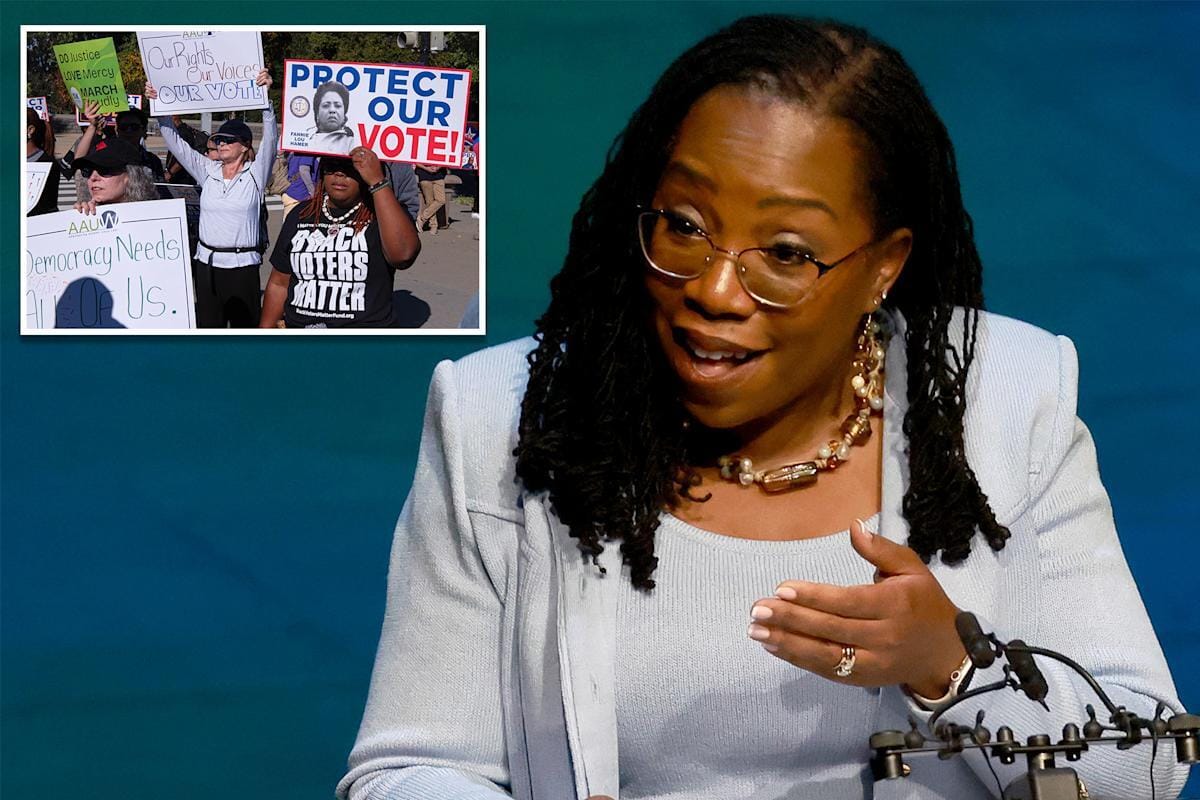
In a compelling oral argument, Justice Ketanji Brown Jackson likened race-based redistricting to the accessibility measures established by the Americans with Disabilities Act (ADA). She emphasized that just as the ADA was enacted to ensure equal access for those with disabilities, the Voting Rights Act's Section 2 aims to rectify systemic barriers hindering minority voters.
Jackson pushed back against the notion that creating majority-black districts violates the 14th Amendment, arguing that acknowledging race in redistricting is essential to counteract historical disenfranchisement. In contrast, attorney Edward Greim contended that race-based remedies risk stereotyping voters.
The Supreme Court’s conservative justices appear poised to limit race’s role in districting decisions. As the nation awaits a decision next June, Jackson's analogy highlights the ongoing struggle for equitable representation and the complexities surrounding race in American politics.

In an insightful opinion piece, Arthur Schaper discusses the conservative movement's struggle to defend Israel against rising anti-Semitism, particularly within American universities and the younger generations. He argues that the lack of a robust, evidence-based defense has allowed anti-Zionist sentiments to flourish, particularly fueled by the progressive left and groups like "The Jihad Squad" in Congress.
Schaper points out that even as long-standing support for Israel among conservatives, particularly Evangelicals, is waning, anti-Zionist rhetoric has become more mainstream. He calls for conservatives to pivot from merely traditional or religious justifications to a well-researched advocacy for Israel, emphasizing the need for open debates and intellectual engagement to counter anti-Semitic narratives.
Ultimately, Schaper urges conservatives to reclaim their ground on this critical issue through informed dialogue and rigorous defense of their beliefs.
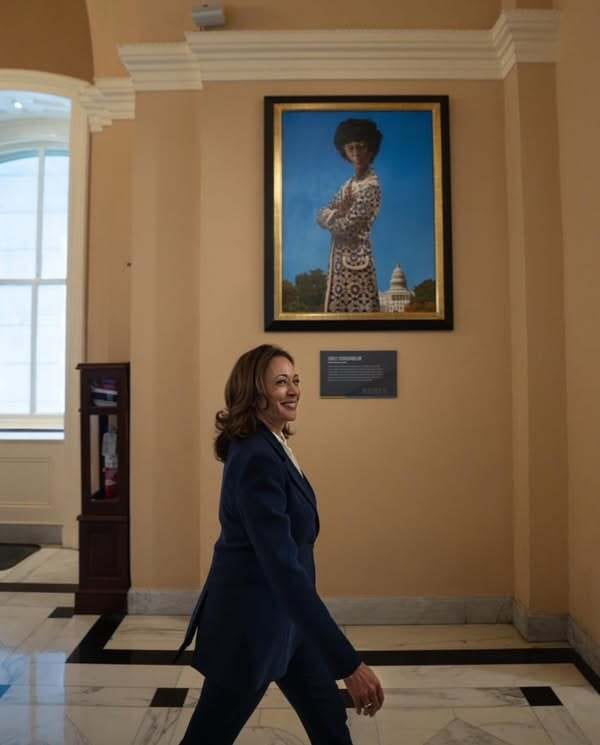
Dive into the inspiring story of Christina Lorey, a trailblazer who made history in 1968 as the first woman to achieve a remarkable milestone. With her determination and passion, Lorey not only broke barriers but also paved the way for countless others to follow in her footsteps.
This captivating narrative chronicles her journey, highlighting the challenges she faced and the victories she achieved. Lorey’s legacy is a powerful reminder that one person can spark change and inspire generations.
As we celebrate her groundbreaking accomplishments, we also look forward to the many "firsts" that have followed and those yet to come. Join us in honoring Christina Lorey—a true pioneer who exemplifies strength, resilience, and the enduring spirit of progress.