- BlackVoter.Org
- Posts
- BlackVoter.Org
BlackVoter.Org

BlackVoter.org
February 11, 2026
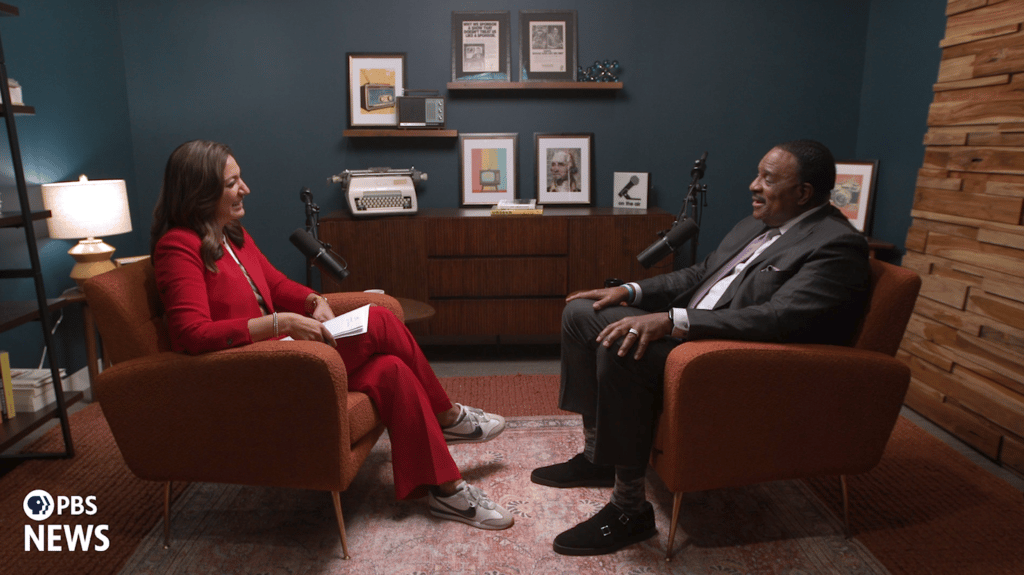
In a compelling conversation with Amna Nawaz, renowned sportscaster James Brown asserts that politics cannot be ignored in the realm of sports. Drawing from his own childhood experiences and deep-seated faith, Brown emphasizes the importance of using his influential platform to tackle controversial issues within the NFL community.
He believes that sports figures have a responsibility to engage with societal challenges, rather than sidestepping them. By addressing these topics head-on, Brown encourages a culture of awareness and activism that transcends the playing field.
His insights shed light on the intricate connection between sports and politics, proving that the game is often more than just a game.
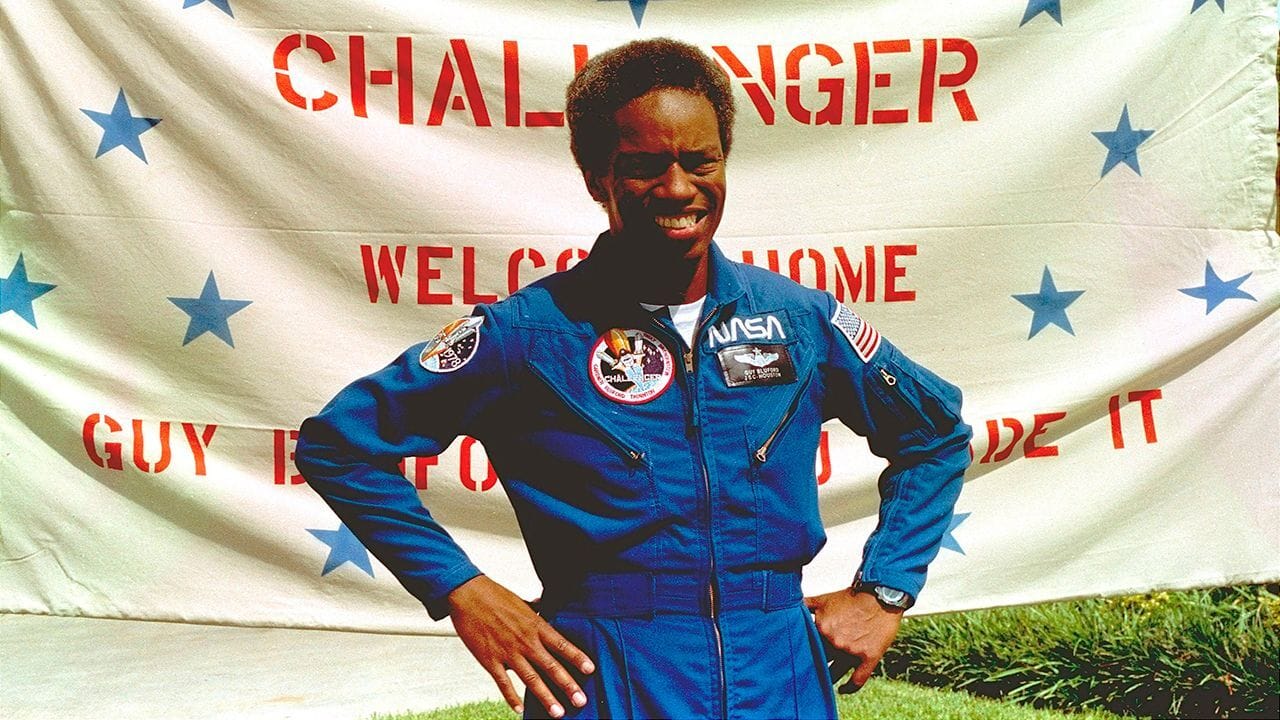
Guion Bluford Jr. made history as the first African American astronaut to soar into space, achieving this remarkable feat on August 30, 1983, aboard the Space Shuttle Challenger.
With an impressive background as a U.S.
Air Force pilot and a Ph.D.
in aerospace engineering, Bluford's journey began with a childhood dream of flight. Selected for NASA's astronaut program in 1978, he became a trailblazer in the space community, completing four spaceflights and accumulating over 688 hours in orbit.
After leaving NASA in 1993, Bluford continued to inspire as a leader in aerospace, serving in key executive roles and remaining a pivotal figure in engineering and education. His legacy not only highlights his groundbreaking achievements but also serves as an inspiration to future generations of astronauts and engineers.
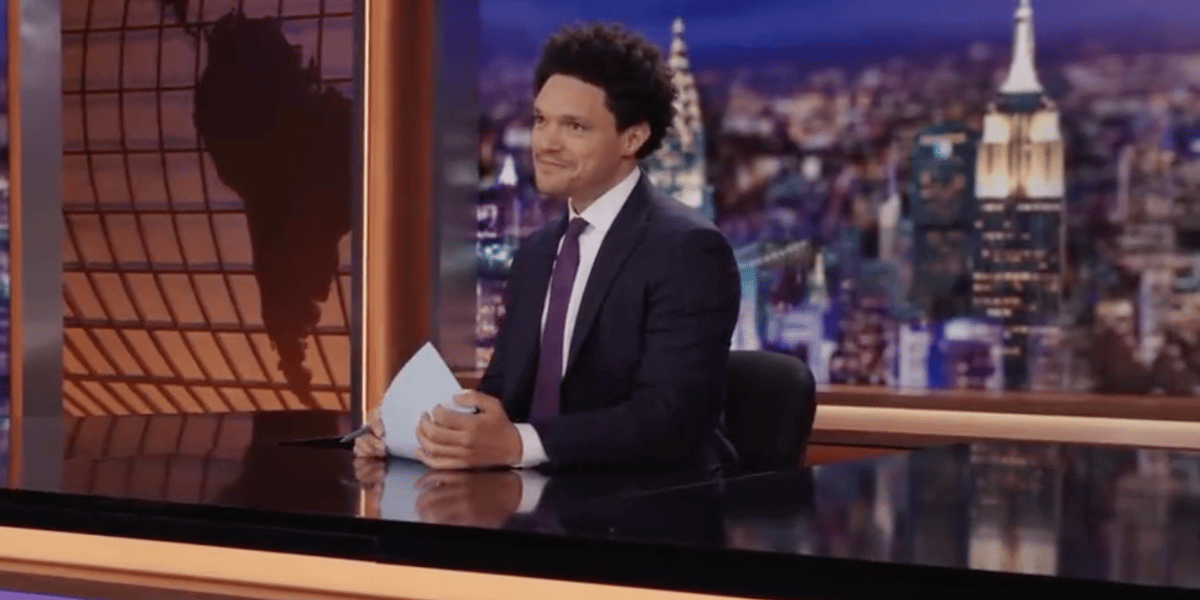
In a thought-provoking segment on "The Daily Show," Trevor Noah delves into the stark contrasts between racism in South Africa and the United States. With his signature humor, he tackles a serious question about societal differences in racial discrimination.
Noah highlights that South African racism is often blatant and openly acknowledged, a byproduct of apartheid that allows citizens to confront it head-on. In contrast, he points out that American racism tends to be more insidious and hidden, requiring individuals to "detect" it in subtle, systemic ways, like lending discrimination or implicit bias in healthcare.
This nuanced discussion underscores the complexities of fighting racism, prompting audiences to consider which form is more challenging to battle—an obvious enemy or a covert one. Noah's insights invite viewers to reflect on how these dynamics influence conversations about race and justice today.
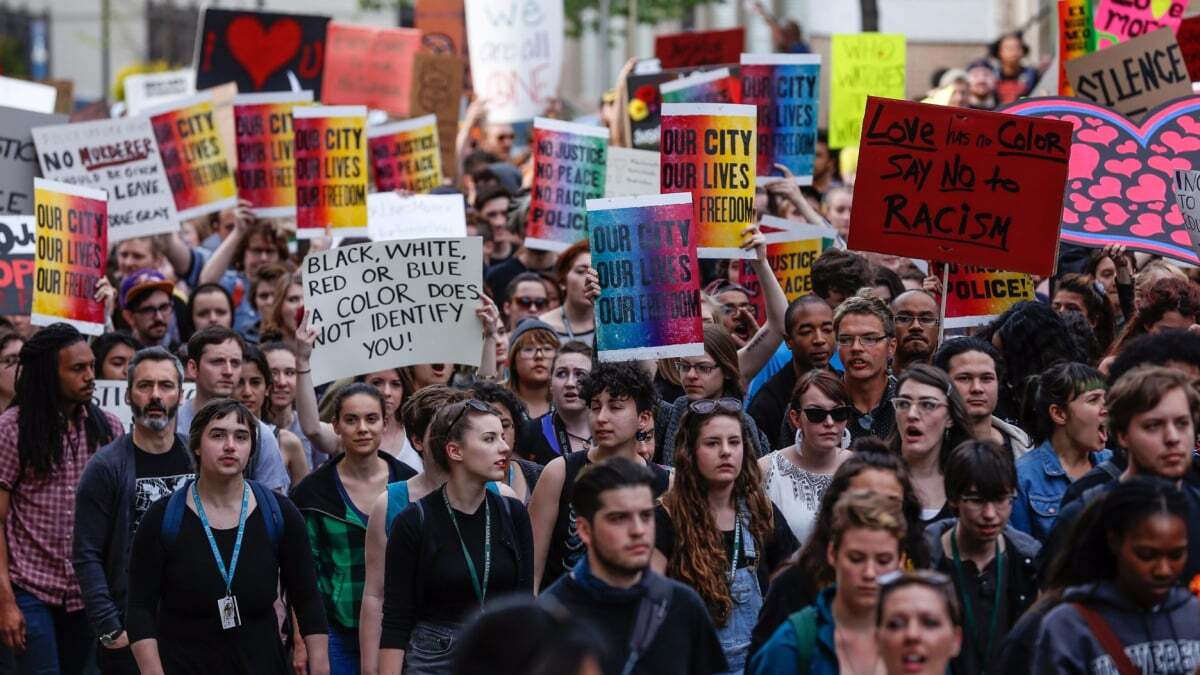
Ready to make a difference in the fight for social justice? Mashable outlines eight impactful ways to support movements that resonate with you. Start by educating yourself about specific causes, like climate justice or racial equity, to build a solid foundation.
Reflect on your own beliefs and habits to ensure you're contributing positively. Connect with local groups for collaboration and take action in your community, whether that means writing to elected officials or attending protests.
Social media is a powerful tool for sharing ideas and mobilizing efforts, so use it wisely. If you’re short on time, volunteering or donating to organizations can also create significant change.
Remember, every effort counts! As activist Jenn Li says, if an injustice moves you, take action to acknowledge that feeling.
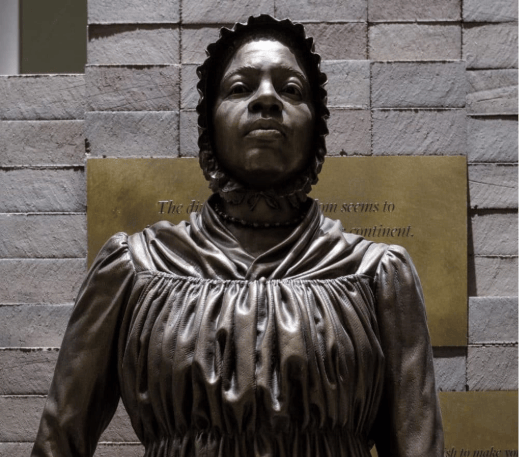
Discover the untold stories of Black women who played a pivotal role in shaping Revolutionary Massachusetts. As part of Black History Month, the initiative "She Was There" highlights courageous figures like Phillis Wheatley, an enslaved poet whose powerful words championed freedom, and Elizabeth Freeman, who fought for her legal right to freedom, ultimately ending slavery in the state.
Lucy Terry Prince’s advocacy for land rights and her poetic legacy further showcase Black women's leadership before and during the Revolution. These remarkable women—along with countless others who supported the patriot cause—exemplify resilience and the enduring fight for justice.
Their legacies are celebrated at the Museum of African American History in Boston, which brings their stories to life through innovative programs. This summer, the Boston Lyric Opera will honor their contributions with an original production, reminding us that the ideals of liberty were championed not just by generals, but by the strength of women who demanded change.
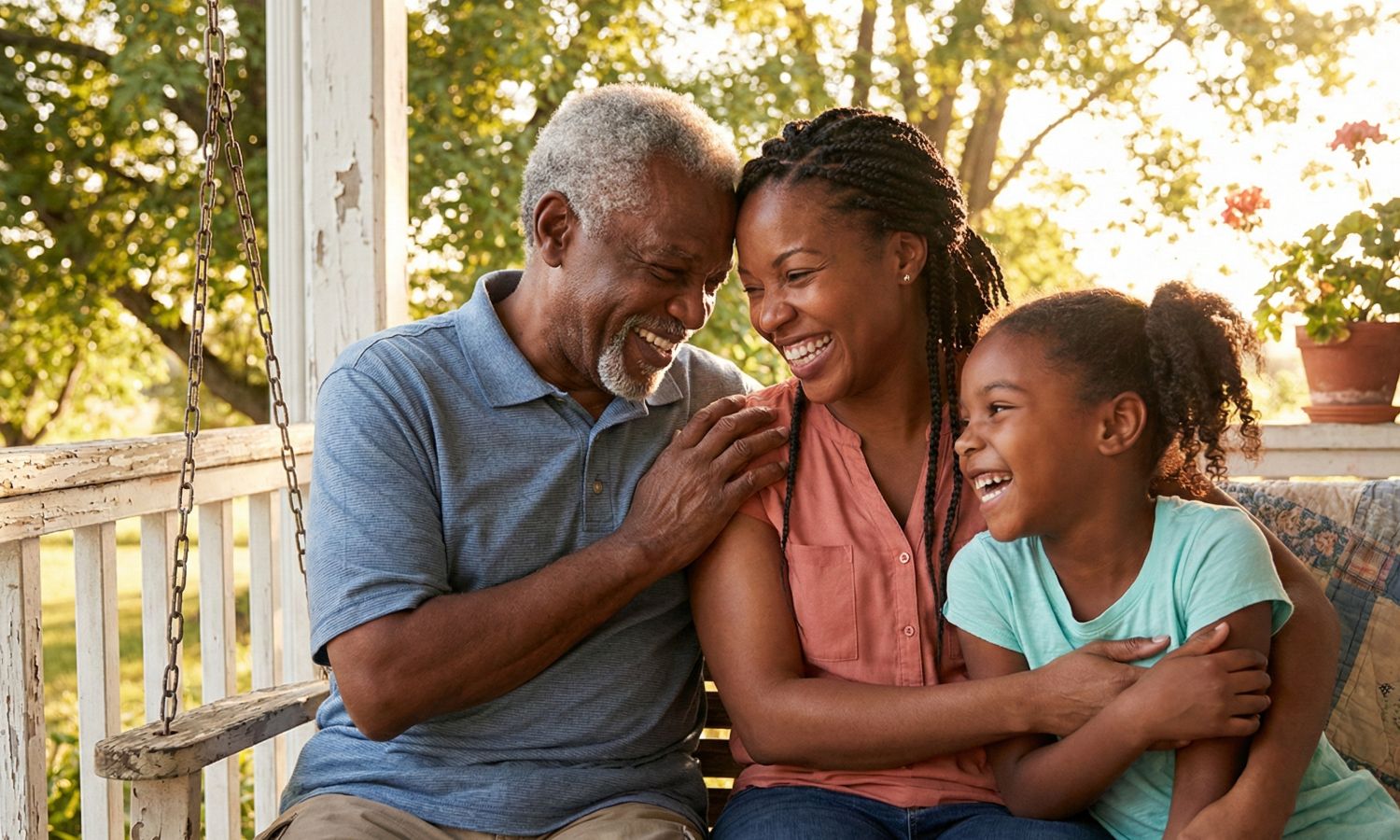
This compelling article from GoodTherapy highlights the ongoing challenges faced by the Black community regarding mental health care, particularly during Black History Month. While progress has been made, significant barriers to access persist, exacerbated by historical trauma, systemic racism, and cultural stigma.
Alarmingly, only one in three Black adults receive treatment, despite representing 20% of those living with mental illness in the U.S.
The article underscores the critical need for culturally competent care, which recognizes and values individual experiences shaped by cultural identity. It offers insights into common stressors that affect Black mental health, such as code-switching and microaggressions, while calling for greater understanding and advocacy.
By promoting culturally relevant mental health services and supporting those in need, we can foster equitable care and resilience in the Black community. Explore GoodTherapy’s resources to start this essential journey toward healing and empowerment.
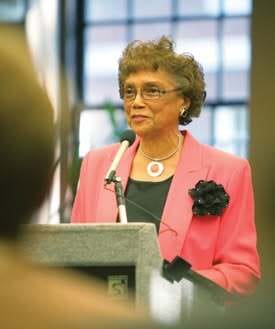
Discover the Davidson County Sheriff’s Office in Nashville, where dedicated law enforcement meets community connection. This vibrant office is led by Sheriff [Name], who prioritizes safety and collaboration throughout Davidson County.
From innovative crime-fighting strategies to engaging community outreach programs, the Sheriff’s Office is committed to fostering trust and transparency. Whether it's providing vital resources, tackling local issues, or promoting public safety initiatives, the team works tirelessly to ensure a secure environment for all residents.
With a strong focus on community involvement, they invite you to participate in programs designed to build strong relationships between law enforcement and the public. Experience the pride and dedication of Nashville’s law enforcement heroes as they strive to make Davidson County a safer place to live, work, and play.