- BlackVoter.Org
- Posts
- BlackVoter.Org
BlackVoter.Org

BlackVoter.org
May 06, 2026

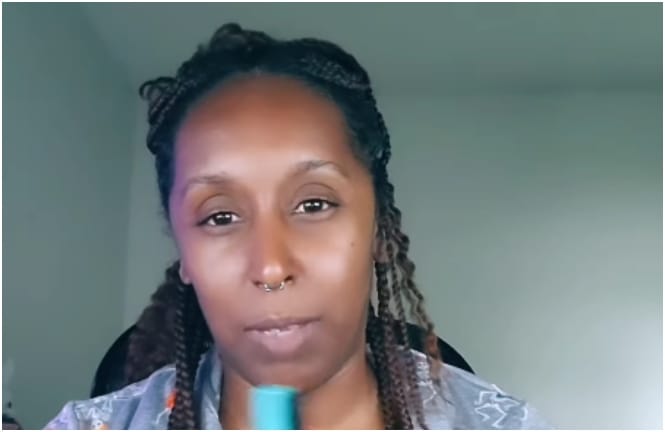
In a powerful and emotional video that has now gone viral, social commentator TalkUrShxxtNene articulates the deep exhaustion many feel regarding race and identity in America, particularly in the wake of a controversial Supreme Court ruling on the Voting Rights Act. "It’s tiring being Black," she declares, capturing the sentiments of countless viewers who relate to her experiences of racial fatigue amid systemic inequities.
Her words resonate as she reflects on the societal contradictions that come with being Black—celebrated yet marginalized. Nene's candid message shines a light on the emotional toll of navigating a society that often places racial identity at odds with self-worth, prompting discussions about cultural appropriation and the psychological impacts of racism.
Her heartfelt sentiments not only encapsulate a shared struggle but also highlight the broader implications of judicial decisions on everyday lives, sparking a wave of solidarity and conversation across social media platforms.
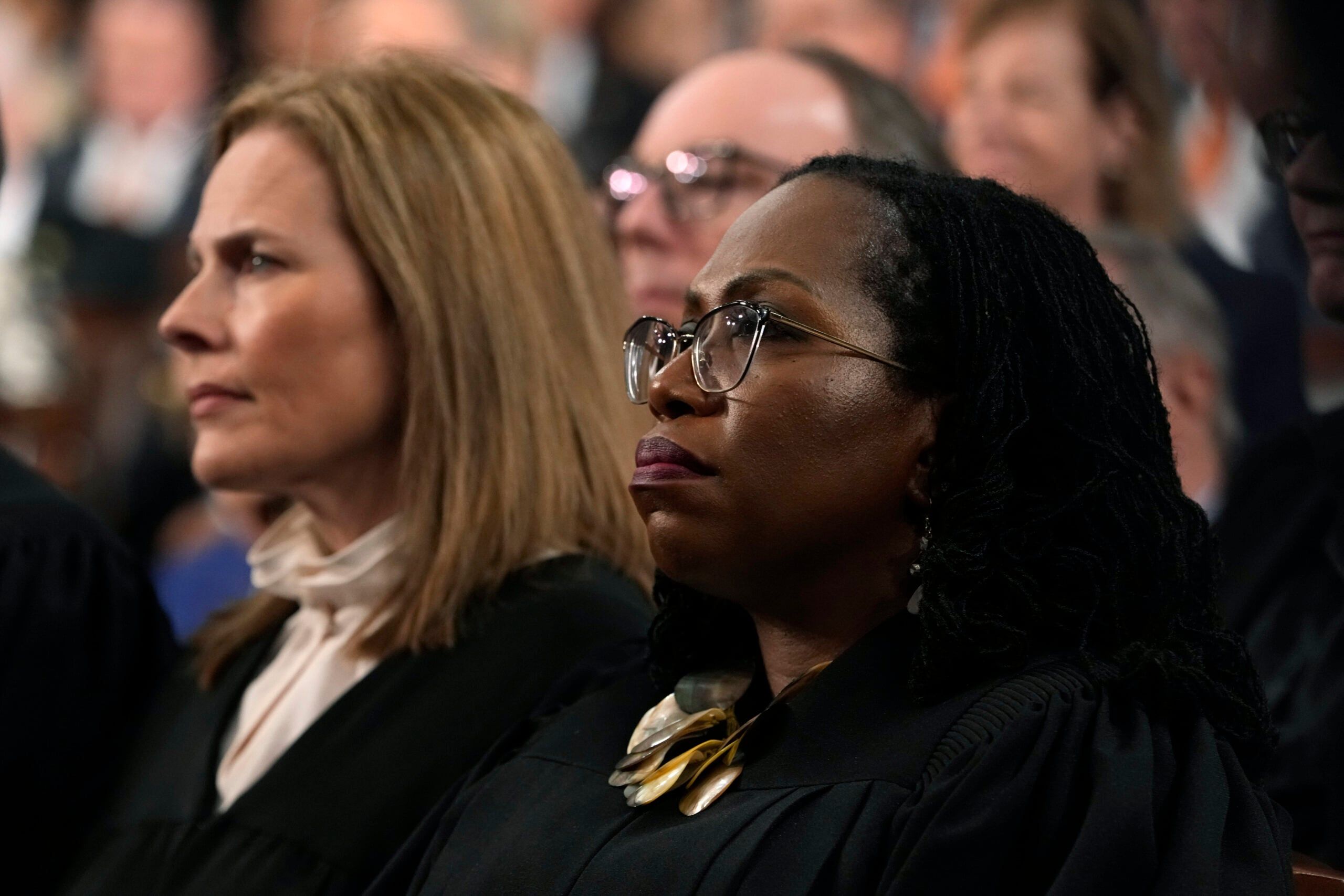
In a bold and pointed dissent, Justice Ketanji Brown Jackson has once again taken aim at her conservative colleagues on the Supreme Court, following their decision to weaken the Voting Rights Act in the Louisiana v. Callais case.
The ruling, which allows the state to redraw electoral maps and eliminate majority-Black districts, has sparked fears of political gerrymandering aimed at benefiting Republicans. Jackson described the Court's actions as "unwarranted and unwise," highlighting the troubling implications for Black voter representation and the integrity of the electoral process.
She criticized the hasty decision to expedite the map changes amidst ongoing elections, suggesting it risks politicizing the judicial role. Despite serving as the most junior justice amid a 6-3 conservative majority, Jackson remains a fierce advocate for civil rights, refusing to remain silent as she navigates the political undercurrents that threaten to dilute minority voices in the democratic process.
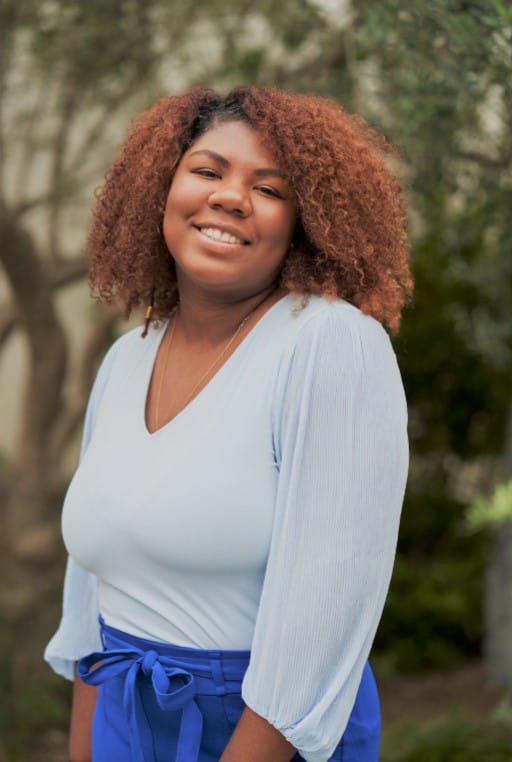
Black leaders in California are sounding the alarm over a recent U.S.
Supreme Court ruling that threatens voting rights for minority communities. During a virtual conference, civil rights advocates expressed concern that the decision in Louisiana v.
Callais weakens critical protections under the Voting Rights Act, making it harder to challenge discriminatory voting maps. This alarming development could dilute Black voter representation and empowerment, particularly at local levels.
Elected officials, including Rep. Sydney Kamlager-Dove and State Superintendent Tony Thurmond, emphasized the urgency to mobilize voters and safeguard their rights.
Grassroots organizations are launching initiatives for voter education and legislative advocacy, reinforcing that the fight for inclusion and representation is far from over. With a call for collective action, they remind the community that "we’ve been here before," insisting on resilience and activism in the face of adversity as they prepare for the crucial 2026 election cycle.
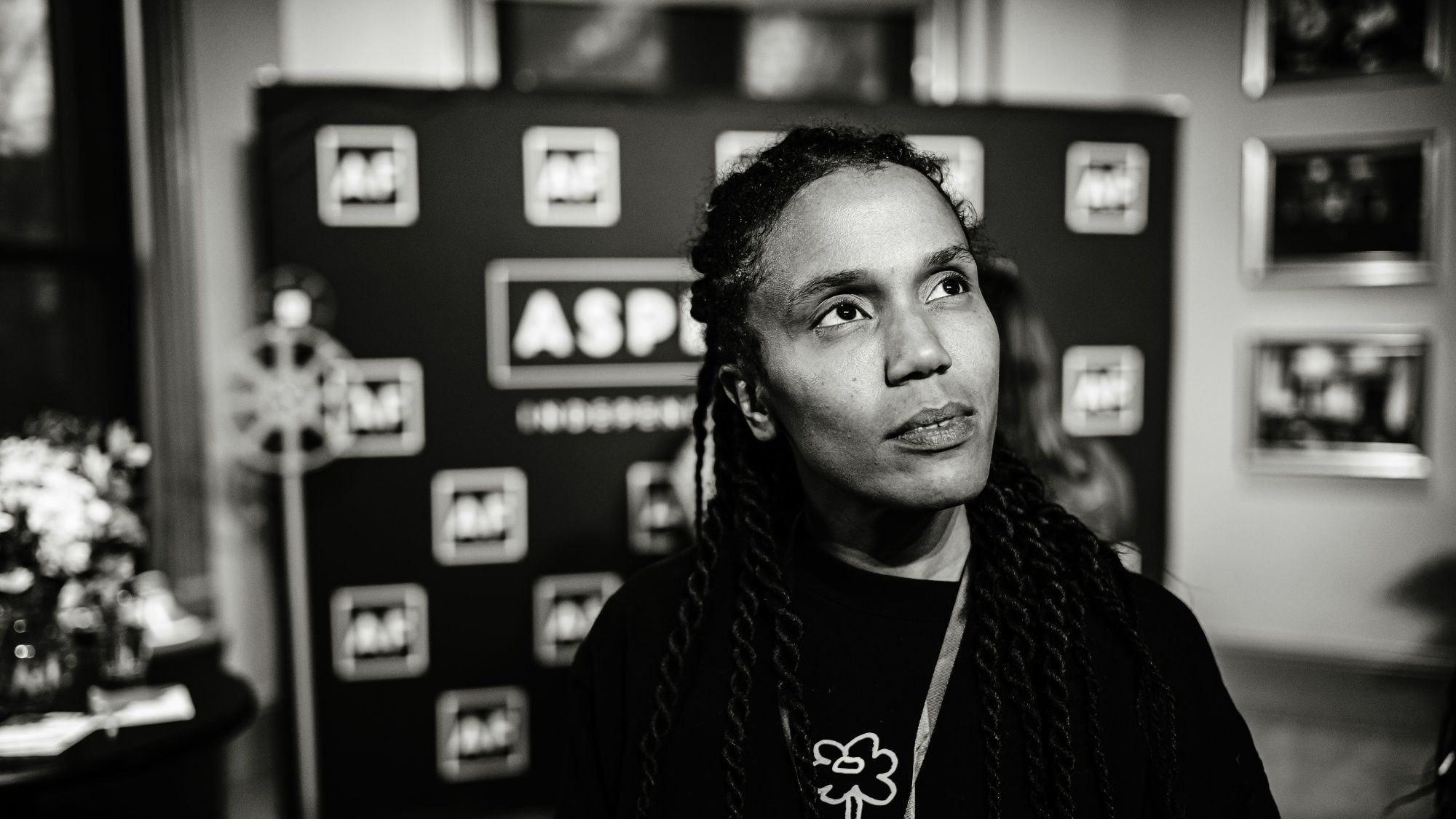
In a poignant exploration of global solidarity, Kenya Hunter highlights the urgent need for Black Americans to connect their struggles with those of marginalized communities around the world, especially in Iran. The recent U.
S.-Israeli attacks on Iran have revealed devastating humanitarian consequences, with significant civilian casualties, including innocent children.
Hunter draws parallels between the oppression faced by Afro-Iranians—who often exist in economic and social margins—and the systemic injustices endured by Black Americans. The narrative underscores how military spending diverts vital resources away from essential social welfare programs, exacerbating economic hardships in Black communities at home.
By fostering a politic of global awareness, Black Americans can bridge the gap between local and international issues, recognizing that the fight for liberation is interconnected. Ultimately, the piece serves as a rallying cry to push for broader cultural and political understanding, emphasizing that freedom for Black people must encompass global perspectives.

In a stark critique, Rachel Maddow highlights the Trump administration's ongoing "war" against Black Americans, portraying a troubling pattern of targeting and disenfranchisement. The article discusses Trump's long history of racially charged statements and policies, including his rollback of critical protections for diversity in federal workplaces and disturbing actions that have eroded civil rights advancements.
From reinstating segregation in federal contracts to affecting representation in Congress, the administration's actions signal a significant regression akin to the Jim Crow era. As Black unemployment rises and voter suppression efforts gain momentum, the fight against this radical shift proves urgent.
Maddow underscores that despite the Trump administration's overall mismanagement, its calculated attacks on Black Americans are alarmingly effective, posing a dire threat to the nation's multiracial democracy. The piece calls for renewed vigilance and resistance in the face of these unsettling developments.
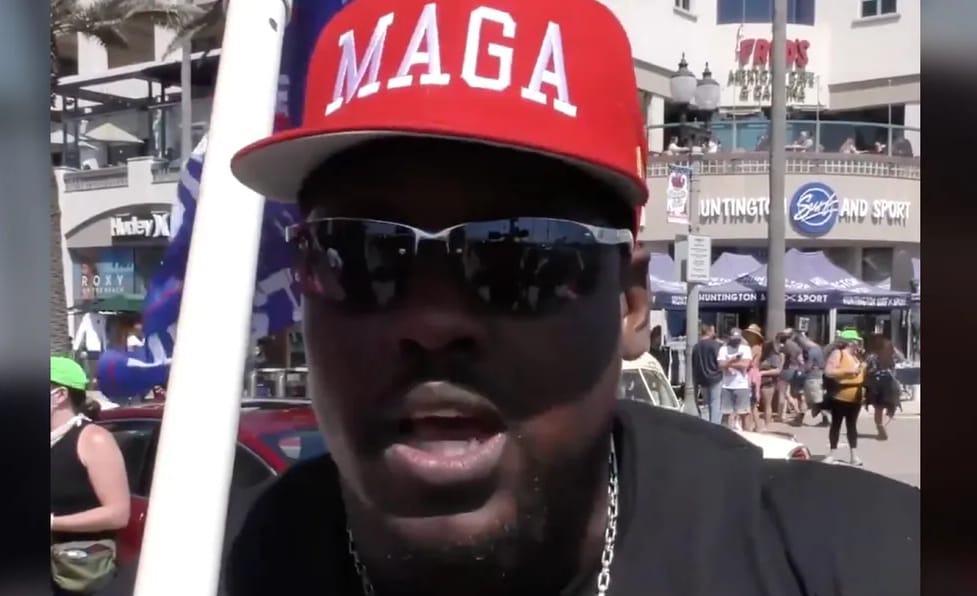
In a surprising political shift, Republicans are making unprecedented strides with Black voters, as highlighted by CNN's Harry Enten. Once a stronghold for Democrats, the African-American vote is becoming more competitive, particularly under Donald Trump's leadership.
Enten notes an uptick in Trump's approval ratings among Black voters, climbing from 12% to 16% since his first term, indicating a significant departure from traditional party loyalties. The party ID margin has also shrunk, falling from a staggering 63-point Democratic advantage to just a 12-point difference.
This trend signals potential ramifications for upcoming elections in key battlegrounds like Georgia, where shifting loyalties could tip the scales in favor of Republicans. Overall, the evidence suggests that the GOP is carving out a path among Black voters that hasn't been seen in a generation, reshaping the electoral landscape as we move forward.
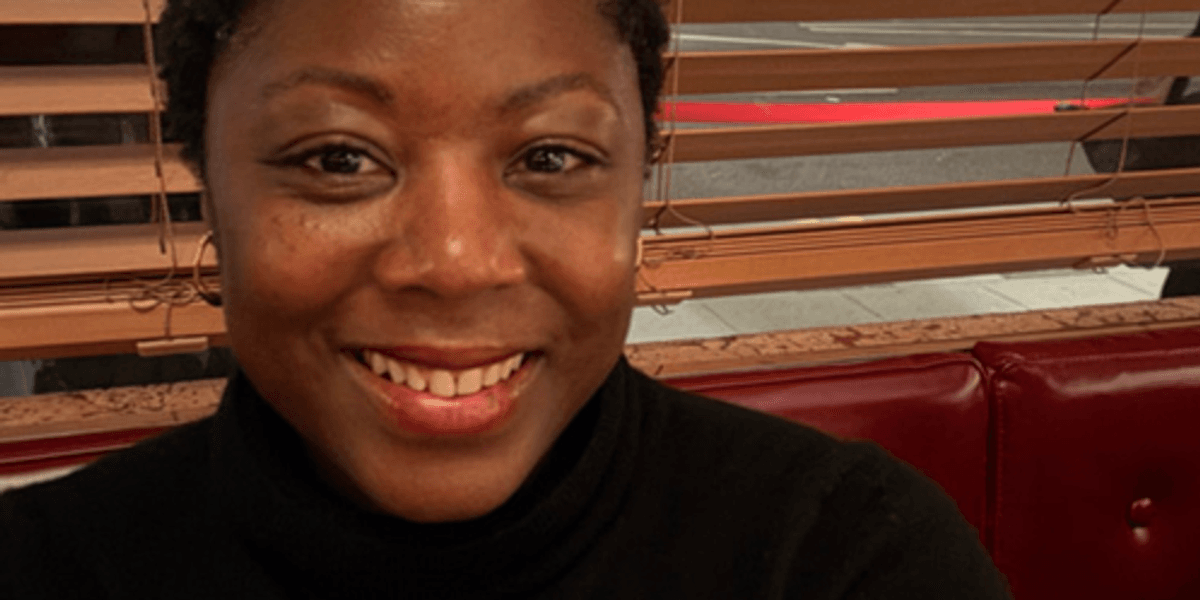
In a twist of irony, Antoinette Fernandez, a Green Party candidate advocating for substantial slavery reparations, has been revealed as a descendant of a Nigerian royal family that historically engaged in the slave trade. As the “reparations officer” for the party's Global Majority Greens group, Fernandez has called for Britain to pay billions in reparations, boldly criticizing politicians opposed to her views.
However, her lineage includes ancestors who profited from slavery, with disturbing details emerging about relatives who owned numerous slaves and benefited financially from the slave trade. Critics from the Conservative and Reform UK parties have labeled Fernandez a “hypocrite,” questioning her commitment to reparative justice.
Meanwhile, the Green Party defended her, dismissing the focus on her background as a “racist,” bad-faith attack. This controversy highlights the complex intersection of history, privilege, and the modern reparations debate.