- BlackVoter.Org
- Posts
- BlackVoter.Org
BlackVoter.Org

BlackVoter.org
February 10, 2026

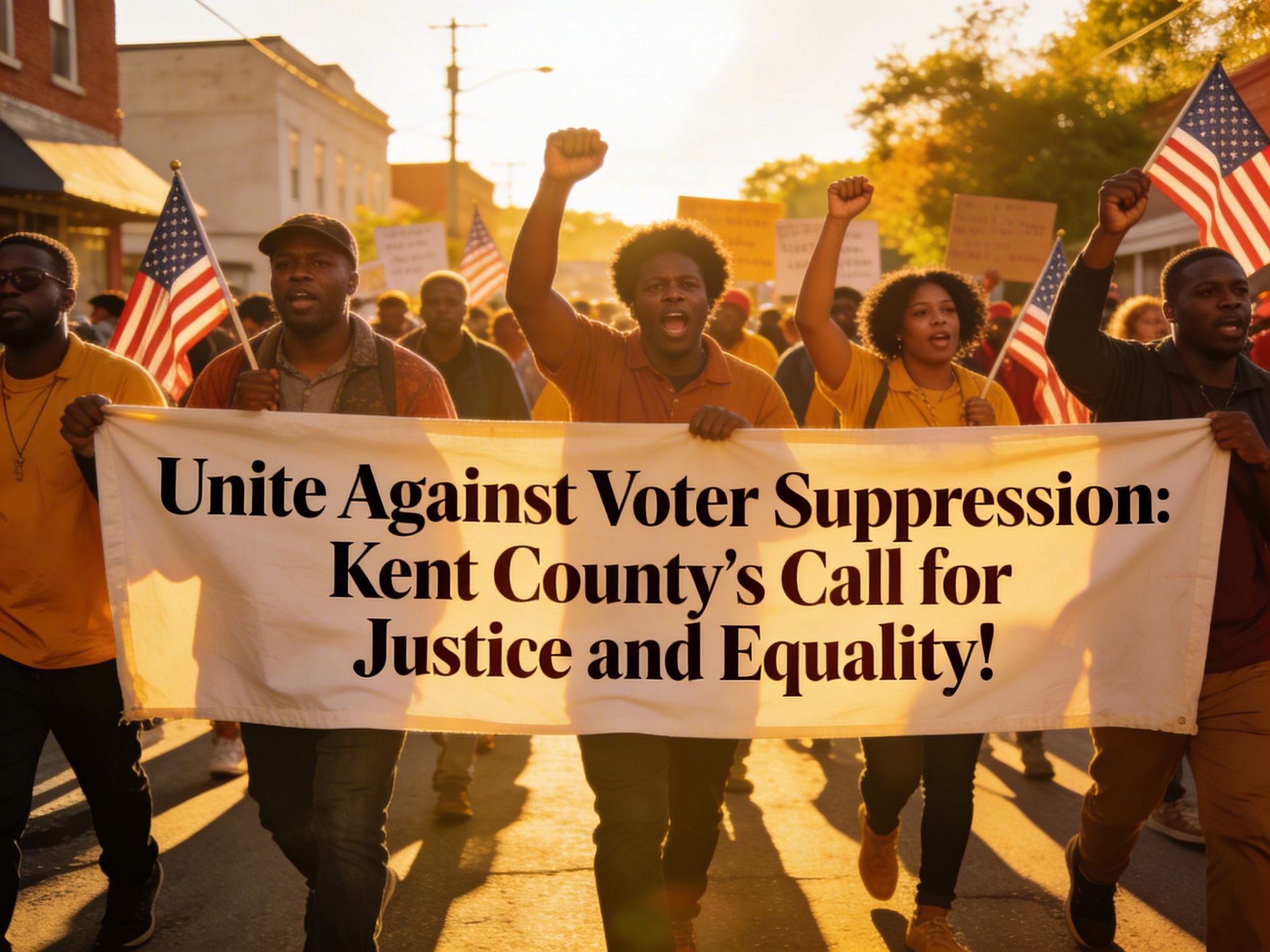
In a powerful opinion piece, John Munson raises an urgent call to action against voter suppression in Kent County, Maryland, particularly emphasizing the divisive impact of recent redistricting practices. Munson reflects on his candidacy for Ward 3, revealing how the redistricting dismantled the largest African American community into two, effectively silencing many voices that should contribute to local governance.
Highlighting a troubling trend, he connects local efforts to broader, systemic issues of disenfranchisement, drawing parallels to tactics observed on a national level. Munson urges Maryland's leaders, including Governor Wes Moore, to confront these injustices and stand up for equity, insisting that justice for one community is vital for all.
His impassioned plea is not just a local issue but a broader fight for the fundamental rights of all Americans—a stark reminder that “injustice anywhere is a threat to justice everywhere.
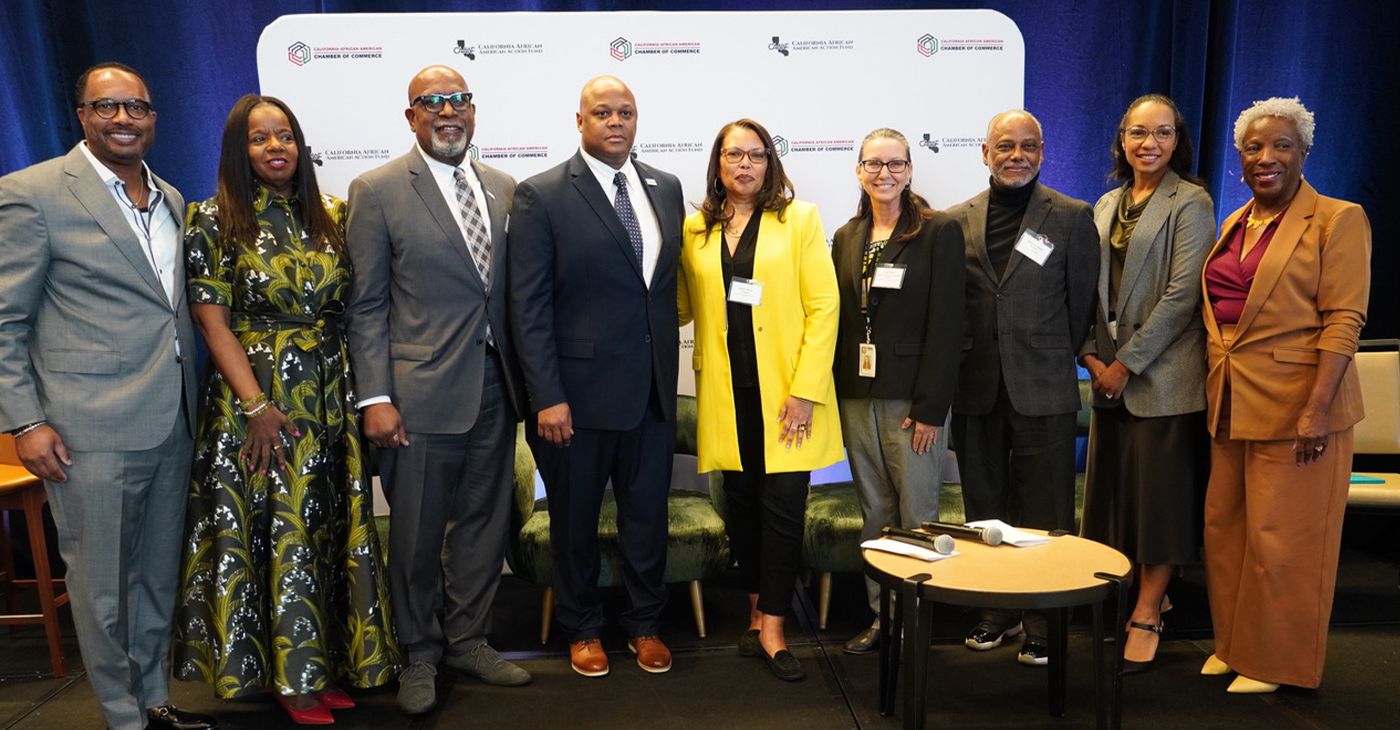
At the recent California African American Chamber of Commerce (CAACC) summit, titled “Driving Equity Through Economic Innovation,” influential voices gathered to address the vital intersection of policy and commerce aimed at empowering historically underfunded communities. Held in Sacramento, the event was organized by CAACC President Ahmad Holmes and featured state officials and business leaders, including Governor Gavin Newsom, who contributed a video message to kick off the discussions.
Topics ranged from boosting economic power through artificial intelligence to enhancing state contracting opportunities for Black businesses. Patricia Watts, CAACC Chairperson, emphasized the essence of unity in advocacy, stating that collective action amplifies their voice.
With an expanding membership and clear goals, the CAACC is becoming a formidable force for economic equity, paving the way for a more inclusive economic landscape in California. The summit's energy highlighted a collective commitment to driving change and fostering growth across the Golden State.

In a bold opinion piece, Angela Hanks and Jeremy Edwards dissect the real stakes for Black Americans in the Trump era. Initially, Trump posed a provocative question to Black voters: "What do you have to lose?" Despite some gains during his presidency, such as lower unemployment rates, the authors argue that the economic toll of his policies ultimately exacerbated hardships for the Black community.
With soaring inflation, rising unemployment rates, and cuts to crucial social services, the fallout is profound. They highlight a looming financial crisis for Black households, noting that many are relying on debt just to make ends meet.
Furthermore, Trump's rollback of anti-discrimination measures threatens to undermine hard-won progress. When Trump asks what Black Americans have to lose, they contend that the answer is stark: their economic stability, health, and future opportunities are all at risk.
The message is clear—under Trump, it's not just about politics; it's about survival.
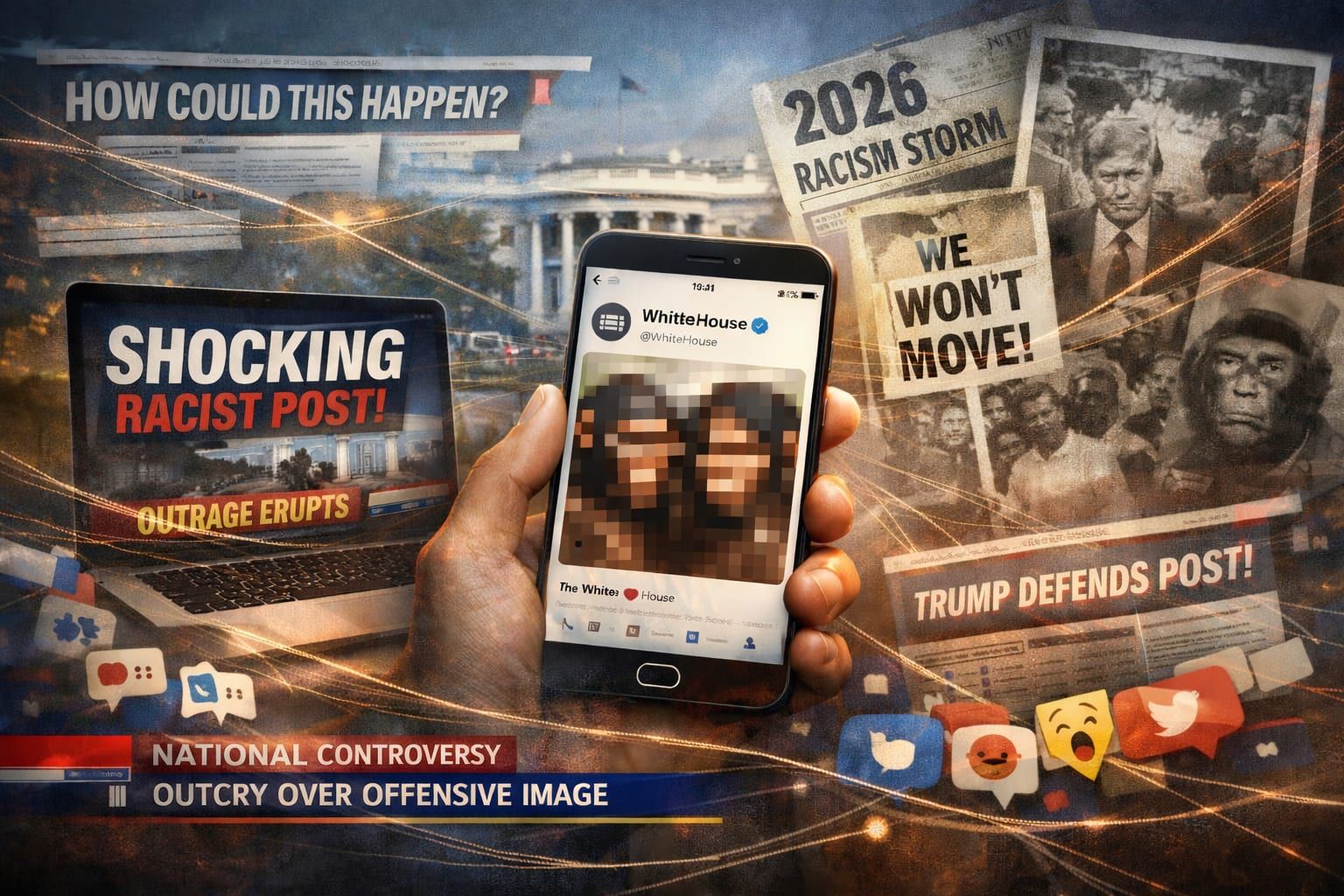
In "The Shock of the Obvious," Cadma delves deep into America’s long history of racism and the ongoing erasure of Black narratives. Following the shocking resurfacing of a racist image of Barack and Michelle Obama shared by The White House, the article unpacks the continuous thread of dehumanization, displacement, and denial that has plagued the country.
Cadma highlights historic injustices, from the vilification of the Central Park Five to the removal of slavery exhibits, illustrating how the past has been systematically erased—much like the communities of Oscarville and Seneca Village, which were submerged under water or forgotten. The author argues that modern racism is often perceived as a shocking new occurrence, revealing a troubling disconnection from historical patterns that persistently diminish the worth of people of color.
Ultimately, the piece challenges readers to confront these uncomfortable truths about America’s legacy and the ongoing struggle for recognition and justice.
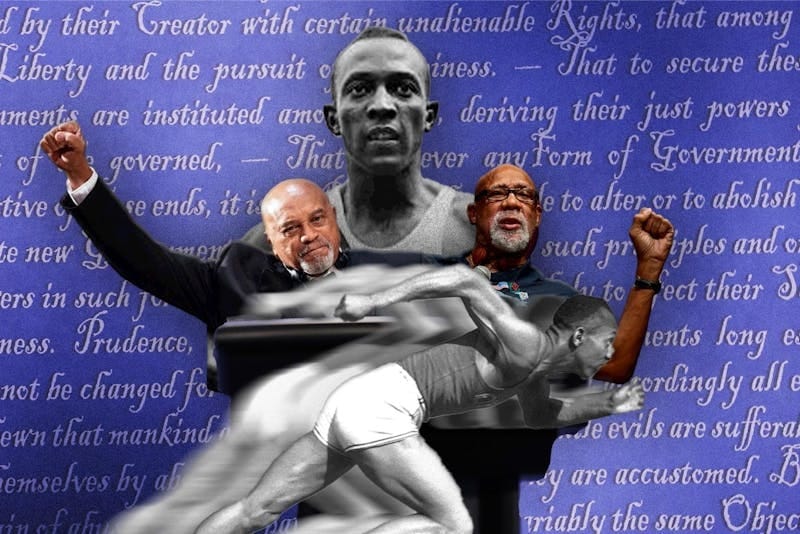
In an engaging exploration, Amaris O’Connor highlights the inextricable link between politics and sports, skillfully weaving through history to illustrate how significant moments in athletic competitions often reflect societal issues. From Jesse Owens' defiant presence at the 1936 Olympics to the powerful gestures of Tommie Smith and John Carlos in 1968, sports have long served as a stage for political protest.
O’Connor argues that while many seek refuge in sports, they cannot ignore the real-world complexities that seep into every game, exemplified by recent events like Vice President JD Vance being booed at the Olympics. The author challenges the notion that sports and politics can be separated, urging us to embrace the voices of athletes who dare to speak out against injustice.
As we gear up for upcoming Olympic Games, it's crucial to recognize sports as a platform for expression and a mirror of societal realities, encouraging dialogue and tolerance along the way.
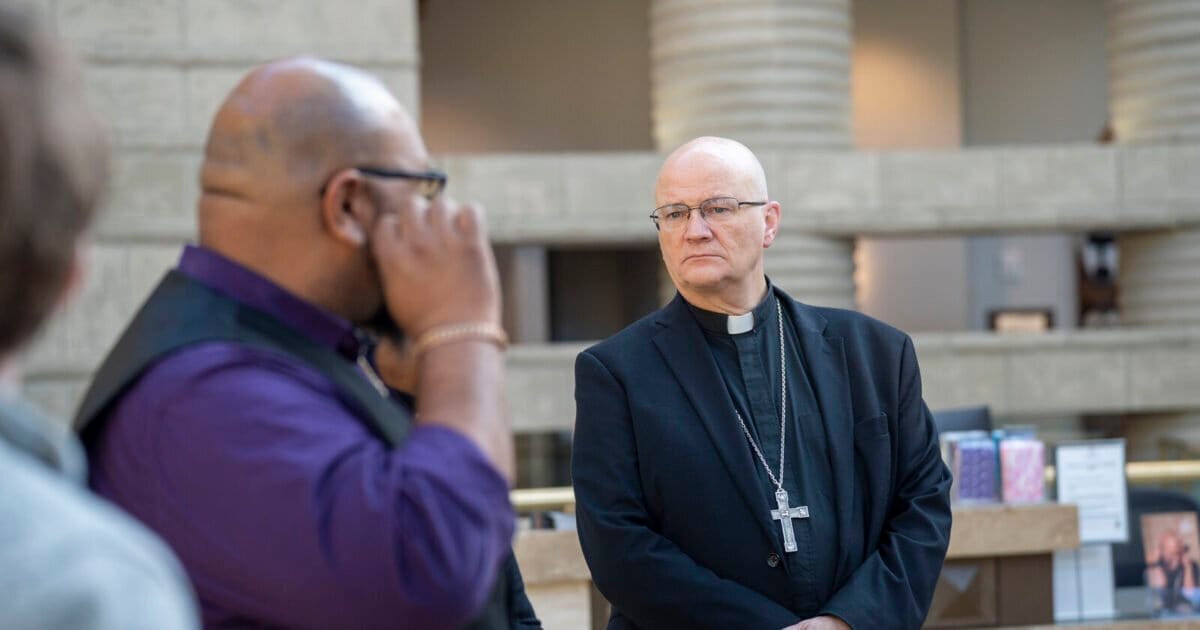
On February 8, 2026, Archbishop Edward J. Weisenburger embarked on an enlightening visit to the Charles H.
Wright Museum of African American History in Detroit, the largest institution of its kind in the U.S.
Accompanied by Vickie Figueroa and historian Jonathan Jones, the archbishop explored the rich tapestry of African American history, which spans from ancient civilizations to the profound impacts of the trans-Atlantic slave trade. The poignant tour included chilling exhibits illustrating the horrors faced by enslaved individuals, leaving a lasting impression on Weisenburger as he reflected on these historical pains and their ongoing relevance today.
He emphasized the importance of understanding how the church has both opposed and at times perpetuated these injustices. Jones articulated the museum's mission to foster deeper connections to the past, highlighting the need for ongoing dialogue as we confront the echoes of history in our modern world.
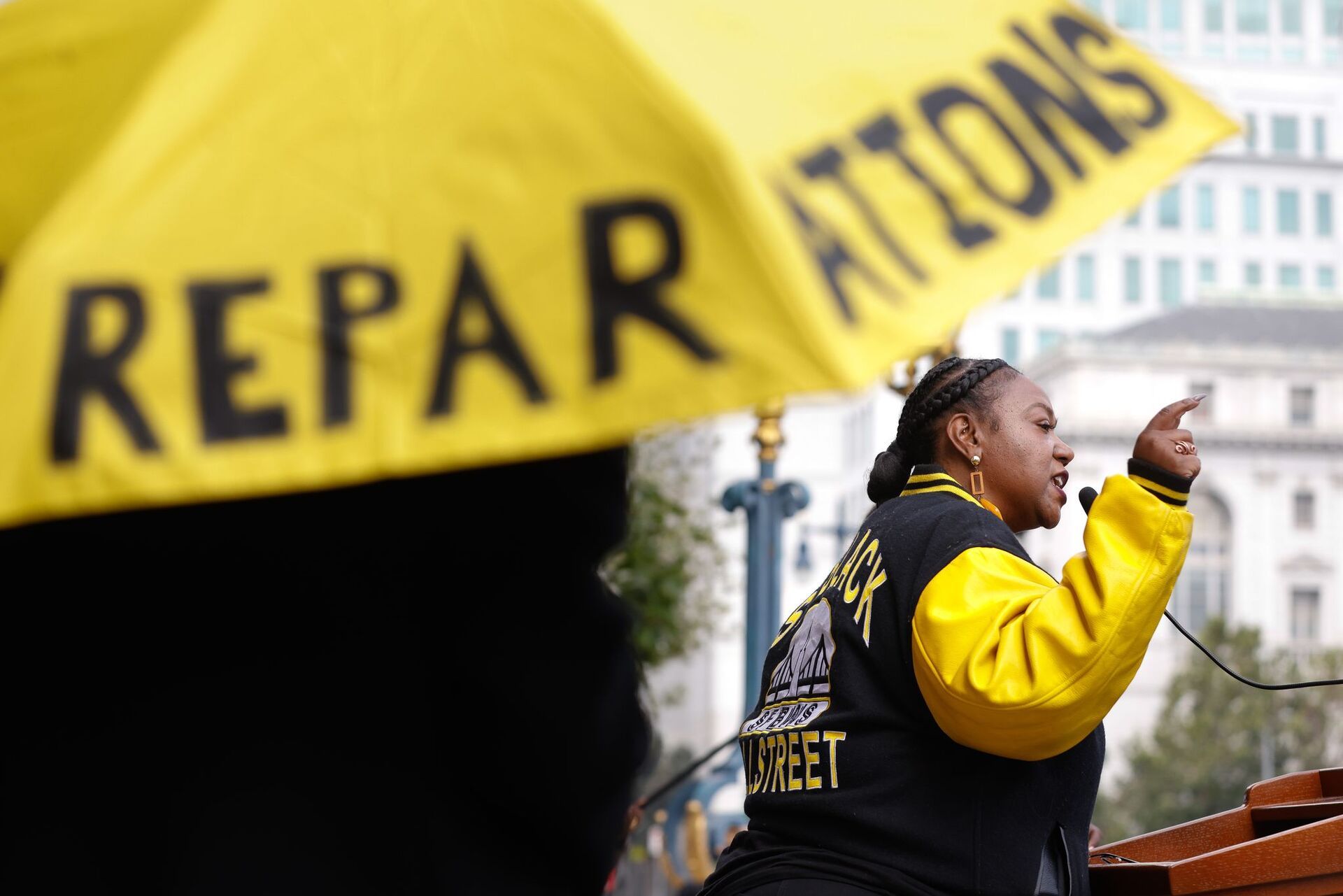
A conservative group is taking aim at San Francisco's ambitious reparations plan, alleging it promotes racial discrimination. The Pacific Legal Foundation filed a lawsuit arguing that the proposed fund, which could grant up to $5 million to eligible Black residents, violates the principle of individual equality.
They claim the city is creating an unconstitutional “racial spoils system” by using public funds for collective racial entitlements, without specifying any recent discrimination. The plan, initially backed by Mayor Daniel Lurie and conceived by the Reparations Advisory Committee, aims to compensate descendants of slaves or those affected by historical injustices.
However, critics, including Rev. Amos Brown, argue that it has garnered no actual monetary support, merely an apology from city officials.
As the legal battle unfolds, the future of reparations in California remains uncertain, especially amid larger state discussions about addressing historical racial harms.