- BlackVoter.Org
- Posts
- BlackVoter.Org
BlackVoter.Org

BlackVoter.org
December 11, 2025

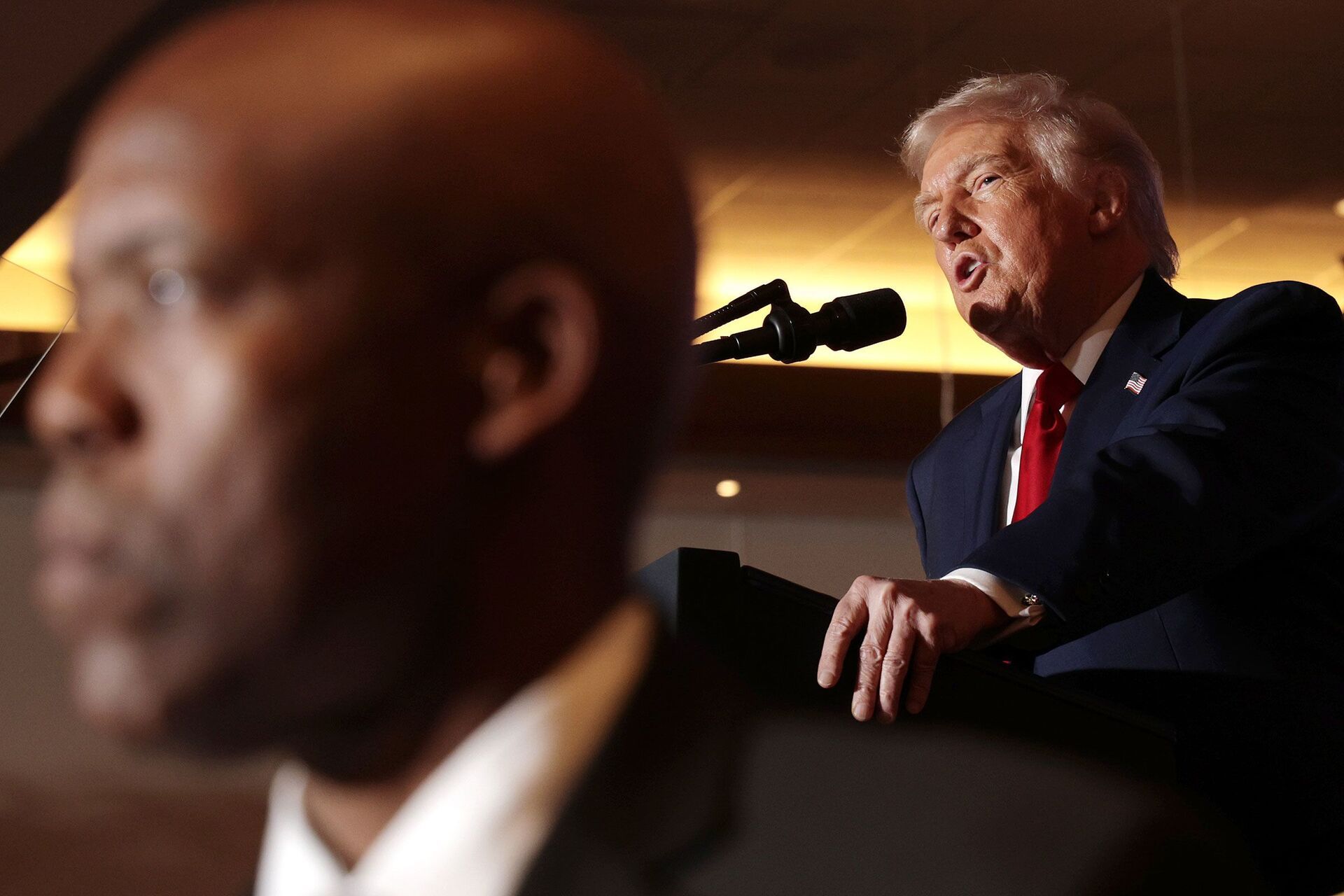
The article addresses Stephen Miller's controversial stance on immigration, particularly his criticism of the 1965 Immigration and Nationality Act, which aimed to create a fairer system for immigrants of all backgrounds. Highlighting the positive impact of this legislation, experts emphasize how it has opened doors for countless individuals, promoting diversity and opportunity in America.
Miller's remarks, which echo themes of exclusion and promote a divisive narrative, stand in stark contrast to the values of inclusivity and merit that the law represents. Many studies show that immigrants today are assimilating faster and contributing positively to society, reinforcing the notion that diversity strengthens communities.
As we navigate discussions around immigration, it's vital to celebrate the resilience and contributions of immigrant populations, recognizing that they enhance the fabric of the nation. Together, we can continue to advocate for a future that values all individuals, regardless of their origins.

In an inspiring display of advocacy, historians and institutions rallied against the recent removal of exhibits honoring Black American soldiers from a WWII site in the Netherlands. The swift reaction from local officials, historians, and over 30 U.
S. Congress members highlighted the importance of preserving the legacy of these heroes who played a crucial role in the liberation of Europe.
Despite original claims by the American Battle Monuments Commission that the removal was routine, internal emails revealed concerns about political backlash in the changing administration, prompting many to cry out against this perceived erasure of history. Leading museums and memorial centers emphasized the need for an inclusive narrative that acknowledges the challenges faced by Black soldiers.
Supporters stress that remembering their contributions is vital for honoring their sacrifices and ensuring that all facets of history are celebrated. This collective response exemplifies the power of community advocacy in preserving the truth of our shared history.

This article highlights the inspiring political journey of Afro-descendants in the Americas, focusing on significant milestones in Colombia's history, notably Francia Márquez's groundbreaking election as vice president in 2022. This moment marked a historic victory for inclusion, as she became the first Afro-Colombian in such a high-ranking position, symbolizing the resilience and aspirations of a community long marginalized.
The narrative emphasizes the efforts of individuals like Paula Moreno and Oscar Gamboa, who lobbied for representation and visibility, paving the way for future leaders. The article also celebrates the collective strength of Afro-descendant women across Latin America, who are driving change and redefining political landscapes.
Each leader, inspired by their ancestors, aims to create a more equitable society. Despite ongoing challenges, the solidarity and determination among these leaders signal a hopeful future, showing that every effort contributes to rewriting history and ensuring that all voices are heard and valued.
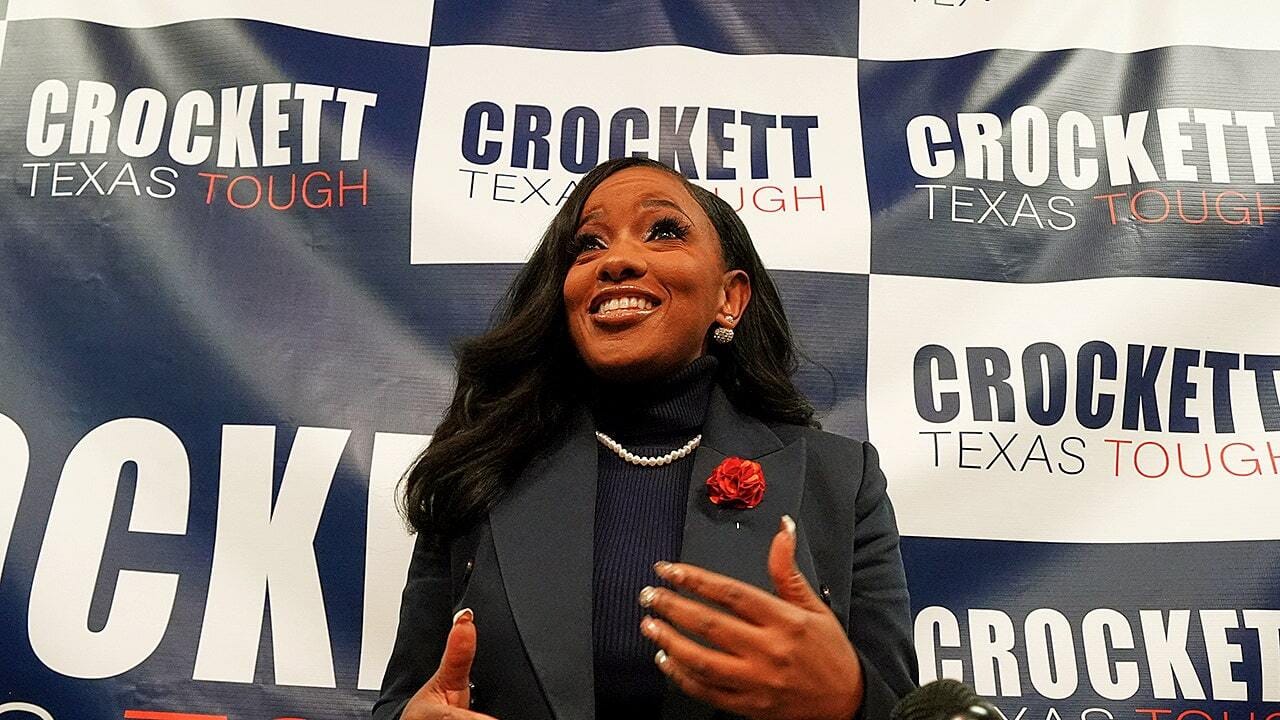
Rev. Frederick Douglass Haynes III, a passionate advocate for reparations and social justice, is stepping forward to run for the Congressional seat in Texas' 30th District, previously held by Rep.
Jasmine Crockett. With a strong commitment to addressing historical injustices, Haynes has called for America to acknowledge its past and make reparations to the African American community.
His recent statements emphasize that the path to healing requires confronting difficult truths about the nation's history. Haynes' campaign offers a refreshing voice in the political arena, aiming to inspire change and create a brighter future for all.
He has garnered praise for his motivational leadership, making a strong case for the importance of justice and equity in today's society. As he embarks on this new chapter, Haynes aims to bring his passion for social justice to the forefront, empowering his community and advocating for meaningful reform.
His dedication to positive change is sure to energize voters looking for progressive solutions.
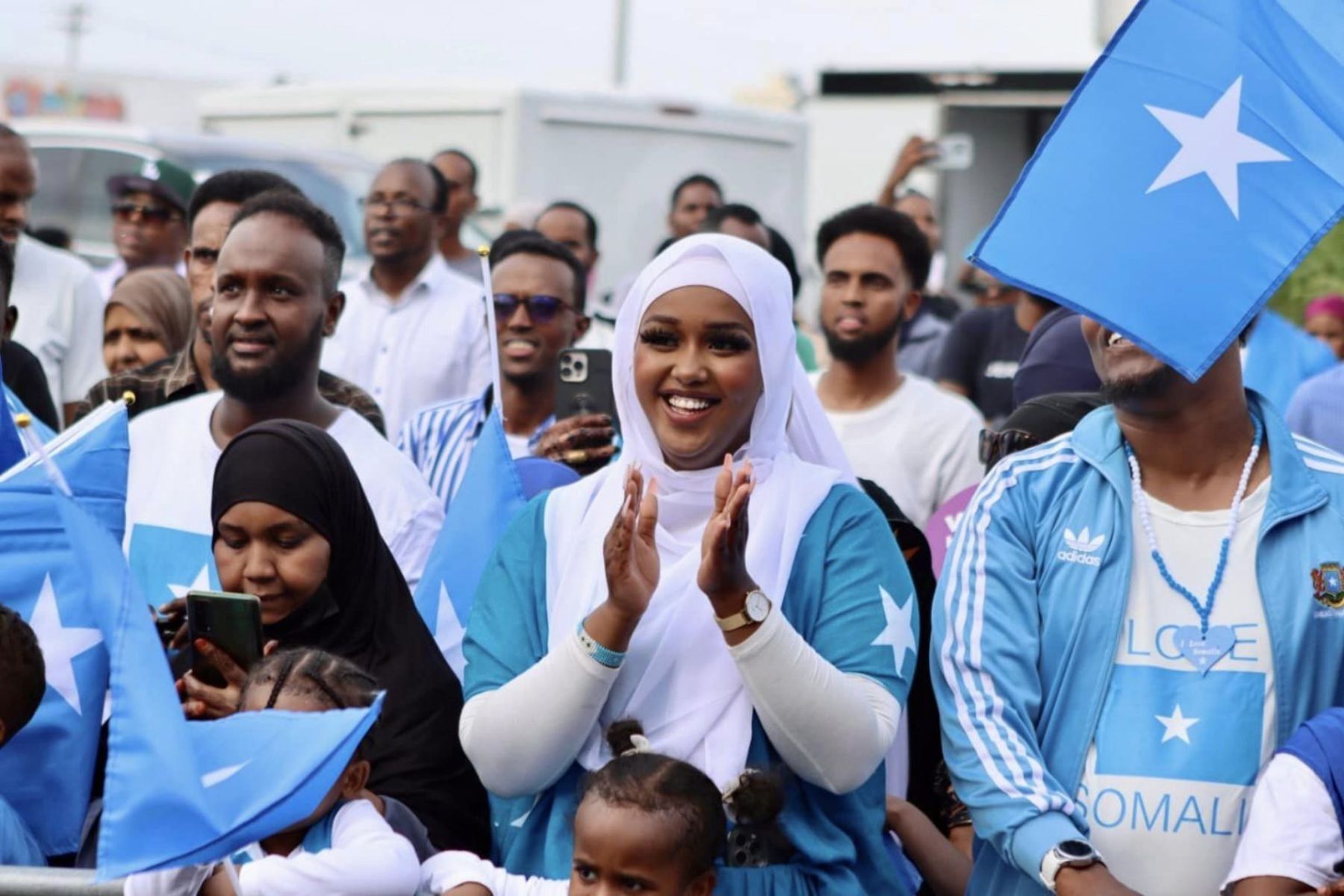
Minnesota has emerged as the largest hub for the Somali diaspora outside of Africa, attracting over 80,000 ethnic Somalis since the late 1980s. The journey began when a small group of Somali men traveling for job opportunities shared their success with others, and soon many were drawn to Minnesota’s welcoming culture and robust job market.
The area's historical experiences with resettling refugees, coupled with support from local organizations, made Minnesota an ideal destination for newcomers fleeing the chaos of Somalia’s civil war.
Throughout the years, the Somali community has flourished, not only preserving their rich culture but also contributing significantly to Minnesota's economy and political landscape.
Somali Americans now hold various professional roles and have made strides in local governance, with figures like Ilhan Omar breaking barriers as the first Somali woman elected to the Minnesota House of Representatives. This inspiring story demonstrates resilience and community spirit, showcasing how embracing diversity enhances society as a whole.

A recent incident in California has sparked significant outrage after a Black utilities worker was aggressively pursued by two white men in pickup trucks. The video of the encounter reveals the disturbing atmosphere of harassment and intimidation, highlighting the challenges faced by African-Americans in their daily work lives.
Fortunately, the worker maintained his composure and humor amidst the frightening situation, stating he felt like he was being "ready to lynch[ed]." The engagement has caught the attention of the community and civil rights attorney Lee Merritt, who emphasized the need for a conversation about safety and racial profiling.
Police investigations are underway, as many advocate for justice and support for the young worker. There is growing encouragement within the community, with calls to ensure that he is safe and has the resources needed for his work.
This incident serves as a reminder of the importance of standing together against racial injustice and creating safe environments for everyone.

Ralph Bunche, a remarkable figure in peace negotiations, is celebrated on the 75th anniversary of his receiving the Nobel Peace Prize. As the first African American to earn this honor in 1950, Bunche's groundbreaking efforts in mediating armistice agreements in the Middle East continue to resonate today.
His calm and dedicated approach to diplomacy serves as a powerful reminder of the impact that perseverance and humility can have in the pursuit of peace. Bunche viewed his work not as a quest for accolades, but as a vital service to humanity.
His legacy inspires us to strive for thoughtful negotiation and collaboration in even the most challenging situations. In a world often marred by discord, Bunche’s story encourages us to foster understanding and reconciliation, showcasing that true peacemaking is attainable when we prioritize collective well-being over personal recognition.
Let's embrace this spirit of diplomacy and continue to work towards a more harmonious future.
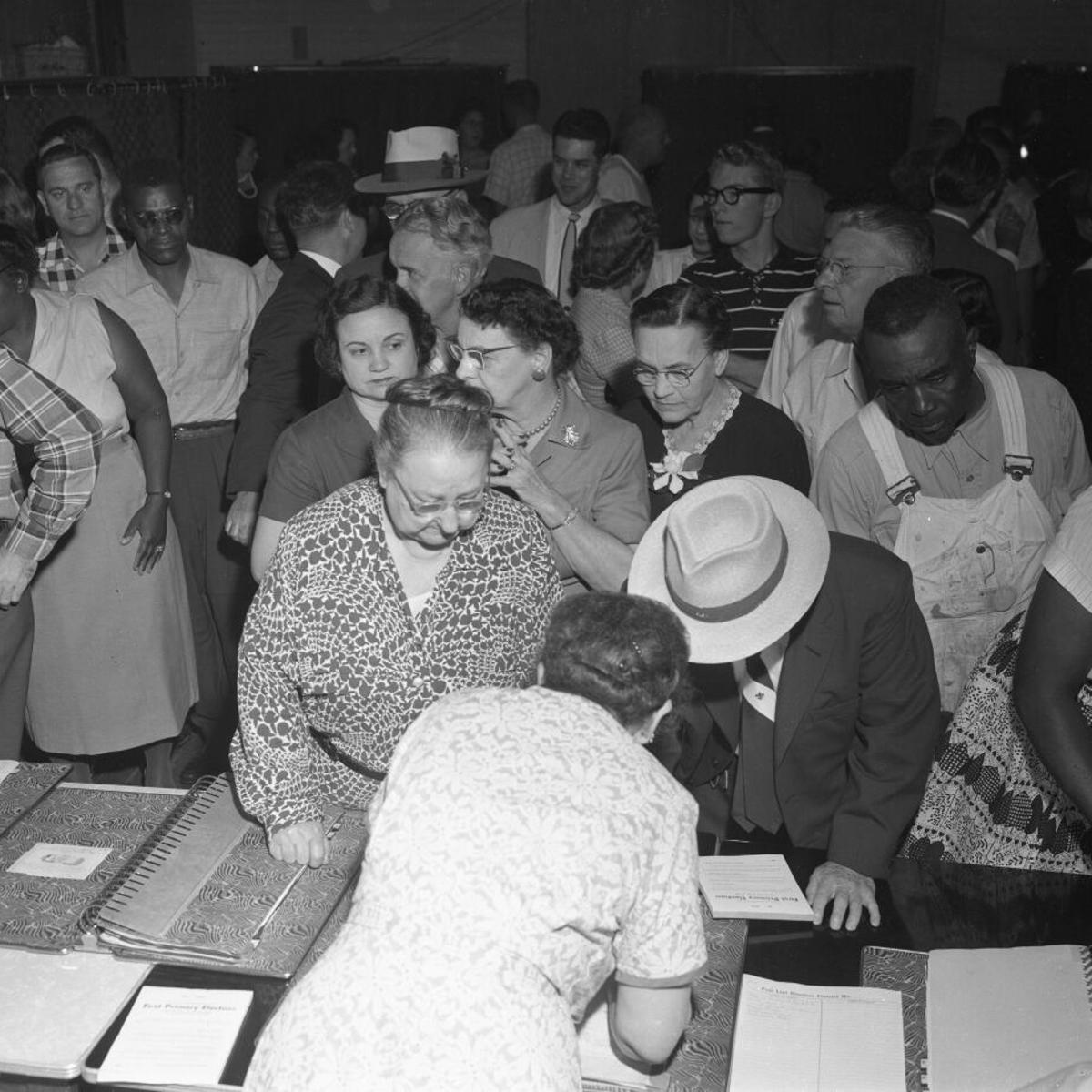
The article highlights the ongoing struggle Black Americans face in exercising their right to vote, emphasizing systemic barriers created by political elites. It discusses the implications of recent redistricting cases and new voting laws that threaten to diminish minority representation and voting power, particularly in states like Florida.
Though challenges are significant, the work of advocacy groups like the Black Voters Matter Fund is crucial in fighting back. They remind us that the battle for voting rights transcends state lines and impacts the entire nation.
Despite adverse legislation, the determination of Black voters, youth, and allies stands strong. As we approach future elections, perseverance and solidarity in defending democracy remain essential.
Together, we can push back against efforts to disenfranchise and ensure that every voice is heard and represented. This ongoing fight inspires hope for a more equitable electoral landscape moving forward.