- BlackVoter.Org
- Posts
- BlackVoter.Org
BlackVoter.Org

BlackVoter.org
March 03, 2026

U.S.
Rep. Ayanna Pressley has introduced a powerful resolution to honor and protect Black history museums as the nation celebrates the 100th anniversary of Black History Month in 2026.
Joined by 52 lawmakers, Pressley stresses the vital role these cultural institutions play in preserving authentic narratives of American history amid ongoing attempts to distort or erase Black stories. "Without Black history, America has none," she stated, condemning past actions that threaten these museums' integrity.
The resolution calls for increased federal support from agencies like the National Endowment for the Humanities and promotes public engagement with Black history. It has garnered endorsements from numerous historical organizations and arrives at a critical juncture as the U.
S. prepares for its 250th anniversary.
Advocates argue that safeguarding these institutions is essential for fostering an inclusive understanding of America's past and ensuring future generations appreciate its diversity.
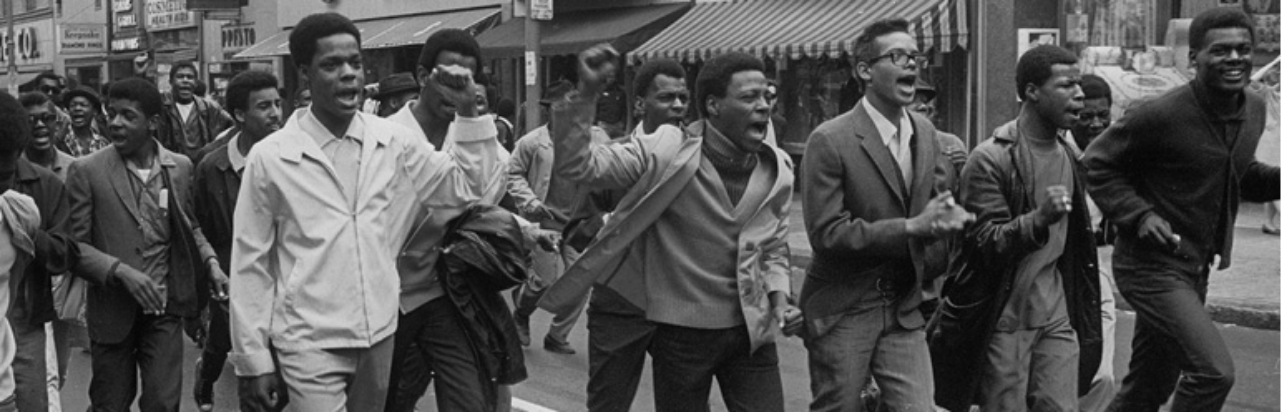
The Delaware Historical Society invites you to embark on an exciting journey through the state’s rich history! As one of the largest repositories of Delaware's historical materials, it boasts over 3 million items in its collections. From exhibitions exploring the legacy of Civil War regiments to resources celebrating African American heritage, there’s something for everyone.
The Society is passionate about education, offering engaging programs and valuable resources for students and teachers alike. Whether you’re exploring the vibrant stories of Delaware's past through its picturesque museums or attending insightful events like “From the Vault,” you’ll find countless ways to connect with history.
Join as a member to stay in the loop with new exhibitions and programs, and support their mission to preserve and celebrate the narratives that shape Delaware.


As we celebrate 100 years of Black History Month, it's a time for joyous reflection and urgent action. Launched in 1926 by historian Carter G.
Woodson to counter the erasure of Black history in education, this centennial reminds us that honoring Black narratives is more crucial than ever. Despite significant progress, recent efforts to censor discussions about racial history in schools highlight the ongoing struggle against historical erasure.
Today's context demands that we not only recognize Black achievements but also integrate these stories into the fabric of American history throughout the year. The next century must focus on broader and deeper engagement, harnessing digital media, community-led storytelling, and local histories.
Black history should never be confined to a month; it serves as a foundation for understanding our past, present, and future. As we look ahead, let’s commit to ensuring these vital stories are public, accurate, and impossible to forget.

Coco Gauff, the dynamic 20-year-old tennis sensation, is becoming a powerful voice for social justice, boldly declaring that “people shouldn’t be dying in the streets just for existing.” In a heartfelt interview, she underscores the urgent need for athletes to leverage their platforms for change, particularly amid rising violence and inequality.
Gauff emphasizes that silence is unacceptable when human lives are at stake, sharing how her experiences growing up in the U.S.
have shaped her activism. While juggling the pressures of professional tennis, she passionately advocates for compassion and accountability, stating that her fight transcends the sport itself.
"Tennis is what I do, but it’s not all that I am," she asserts, inviting fellow athletes to embrace their roles as activists. Gauff’s commitment resonates with a new generation of athlete-activists, and she aims to ensure basic human rights are prioritized over political divisions.

In a bold move toward leveraging its mineral wealth, Zimbabwe is reasserting control over its lithium resources, pushing foreign investors to bolster local processing instead of simply exporting raw materials. As trucks wait idle in the lithium belt, the Zimbabwean government ramps up restrictions, aiming to renegotiate better terms on royalties and taxes.
This trend of “mineral nationalism” is not isolated; countries across Africa, from the Democratic Republic of Congo to Ghana, are similarly exploring ways to transform their mineral resources into bargaining chips in the global arena. The U.
S. is eyeing Africa's critical minerals as part of its energy transition, seeking partnerships that promise sustainable investments rather than mere extraction.
However, the path forward is fraught with challenges, as past experiences of broken promises loom large. The real test lies in building structures that ensure equitable benefits for African citizens while navigating complex geopolitical landscapes.

The Texas Democratic primary for the Senate is heating up as Rep. Jasmine Crockett and state Rep.
James Talarico vie for the nomination, each embodying different strategies crucial for the party's future. As Democrats aim to regain a Senate majority, Texas emerges as a battleground where their approach could reshape their campaign playbook for years to come.
Talarico represents a conventional, electorate-expanding strategy, while Crockett appeals to the party's base through her bold, direct style. Their contrasting paths not only highlight the inner debate on electability and grassroots engagement but also prompt broader questions about how Democrats engage voters in a state pivotal for 2028 presidential aspirations.
With recent polls showing fluctuating support, the outcome could revolutionize how campaigns are run, particularly if Crockett's unorthodox methods succeed. As both candidates clash, the stakes couldn't be higher for Democratic strategy moving forward.

Rev. Jesse Jackson, the iconic civil rights leader, was honored in his home state of South Carolina on March 2, 2026, as he lay in state at the State House in Columbia.
The event drew a crowd of politicians and admirers who celebrated his profound impact on social justice and civil rights. State Rep.
Jermaine Johnson emphasized Jackson's legacy, calling him a hero not just for South Carolina but for all Americans. Jackson’s daughter, Santita, urged attendees to not only remember her father but to embody his spirit of advocacy.
Known for his relentless efforts in promoting voting rights and equality, Jackson’s legacy continues to inspire future generations. As the memorial movement unfolded, South Carolina Governor Henry McMaster honored Jackson by ordering flags at half-staff, further solidifying Jackson's enormous contributions to the nation.
Memorial services are set to continue, highlighting the profound reverberations of Jackson's lifelong dedication to social justice.

Cincinnati is gearing up to consider a groundbreaking reparations program funded by tax revenue from marijuana sales. Spearheaded by Vice Mayor Jan-Michele Lemon Kearney and Councilman Scotty Johnson, the "Cincinnati Real Property Reparations Program" aims to assist low-to-moderate income residents, particularly those historically denied homeownership due to discriminatory practices.
The proposed $5 million initiative will target 15 neighborhoods, enabling recipients to use funds for down payments, delinquent property taxes, or emergency home repairs. Advocates emphasize the importance of addressing past injustices, highlighting a legacy of discriminatory housing policies that have hindered wealth accumulation for Black residents.
Cincinnati NAACP President David Whitehead encourages a broader acceptance of the term "reparations," framing it as a means to restore fairness. With this proposal, Cincinnati could join other cities like Evanston, Illinois, which are leading the way in reparative justice efforts.