- BlackVoter.Org
- Posts
- BlackVoter.Org
BlackVoter.Org

BlackVoter.org
March 17, 2026

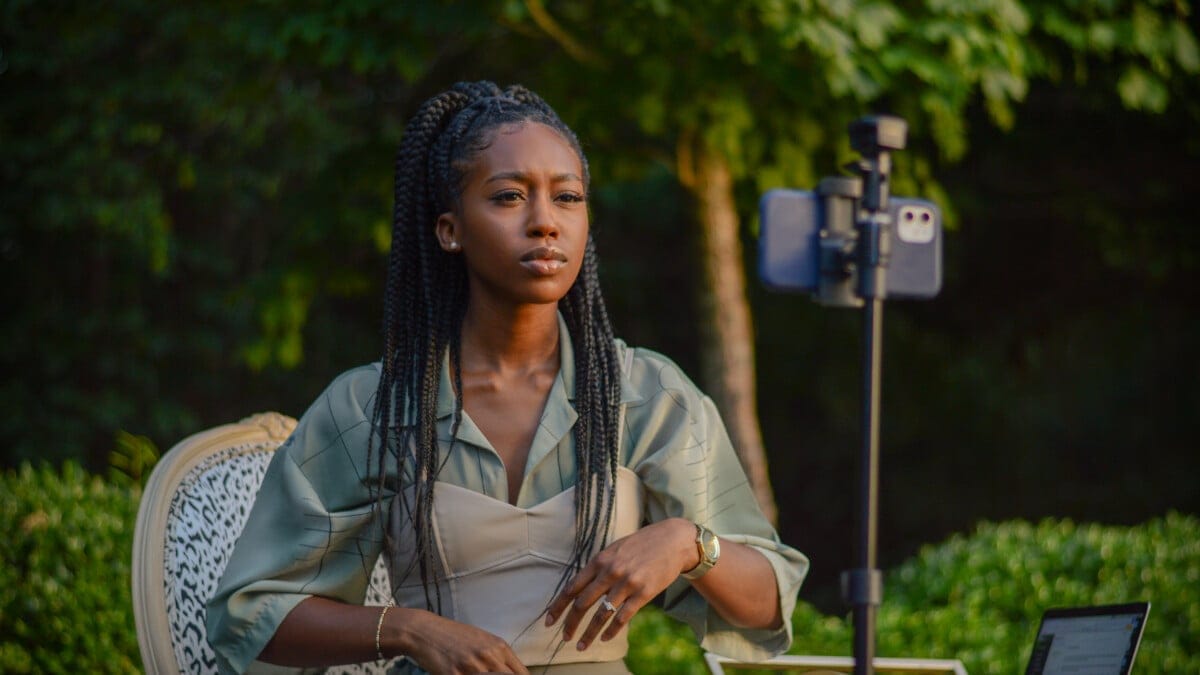
In a world saturated with content, digital creator Lynae Vanee stands out as a beacon of Black excellence and community empowerment. Nominee for the NAACP Image Award, Vanee seamlessly blends her roles as a poet, producer, and social media influencer, captivating audiences on platforms like TikTok and Instagram with her series "Parking Lot Pimpin'," a vibrant mix of education and entertainment.
Diving deep into social justice, pop culture, and African American history, she cultivates a space for authenticity that resonates with diverse audiences. With a strong background in psychology and African American studies, she utilizes her knowledge to mentor and inspire younger generations.
Vanee is on a mission to launch her own show, an endeavor driven by her commitment to storytelling and representation. Emphasizing the importance of community, she believes in creating safe spaces for voices that often go unheard, all while keeping it real and relatable.
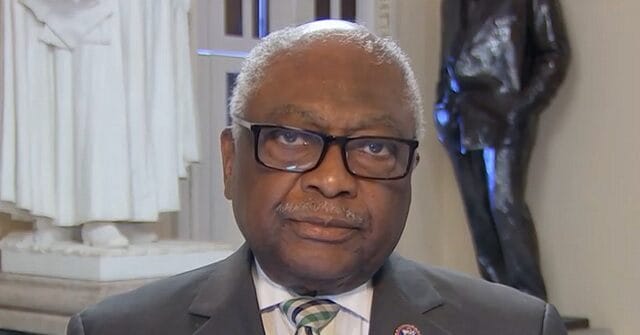
During a recent appearance on CNN, Rep. James Clyburn (D-SC) passionately critiqued the SAVE America Act, asserting it’s not simply about voter ID requirements but a veiled attempt to suppress voter turnout, particularly among African-Americans.
Clyburn drew parallels between this modern legislation and discriminatory laws from the Reconstruction era, warning that its passage could significantly diminish Black representation in Congress. He challenged the notion that voter ID laws are universally accepted as common-sense measures by pointing out inconsistencies, like allowing hunting licenses but not student activity cards as valid identification.
Clyburn emphasized the urgency of protecting democracy against efforts he sees as disenfranchising certain voter demographics, raising critical questions about who decides "the right people" to vote. His remarks highlight the ongoing debate over election integrity and access, framing it as a critical battle for the country's democratic principles.
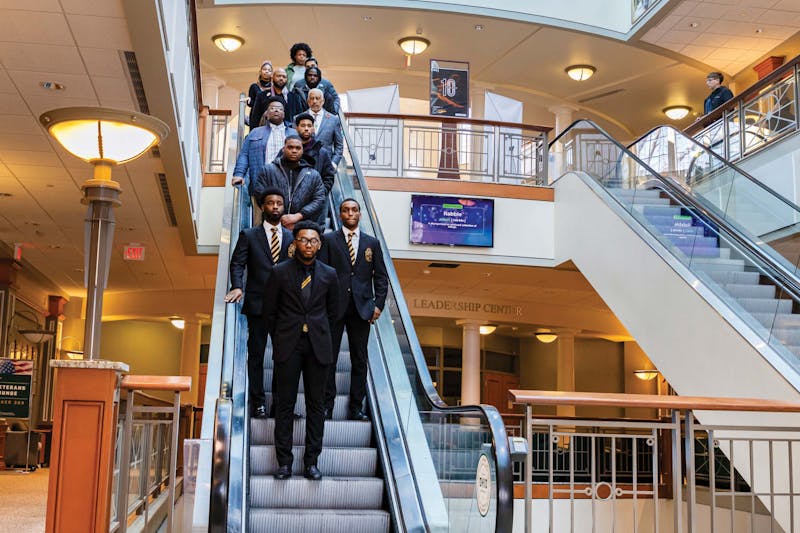
In his thought-provoking piece, David Asamoah emphasizes the importance of actively living Black history rather than simply remembering it during designated times like Black History Month. He recounts his experience participating in the MLK Silent March, where community members honored the legacy of Dr.
Martin Luther King Jr. by marching in solidarity despite harsh weather.
This powerful event served as a reminder that history is not just a collection of lessons to remember but a living, breathing narrative that informs our present and future. Asamoah links the teachings of King to contemporary social issues, urging us to confront and act on the lessons of the past, thus weaving them into our daily lives.
He encourages readers to engage with history courageously, addressing its wounds while striving for a better future. Ultimately, Asamoah advocates for a vibrant, continuous conversation between our history and the actions we take today.
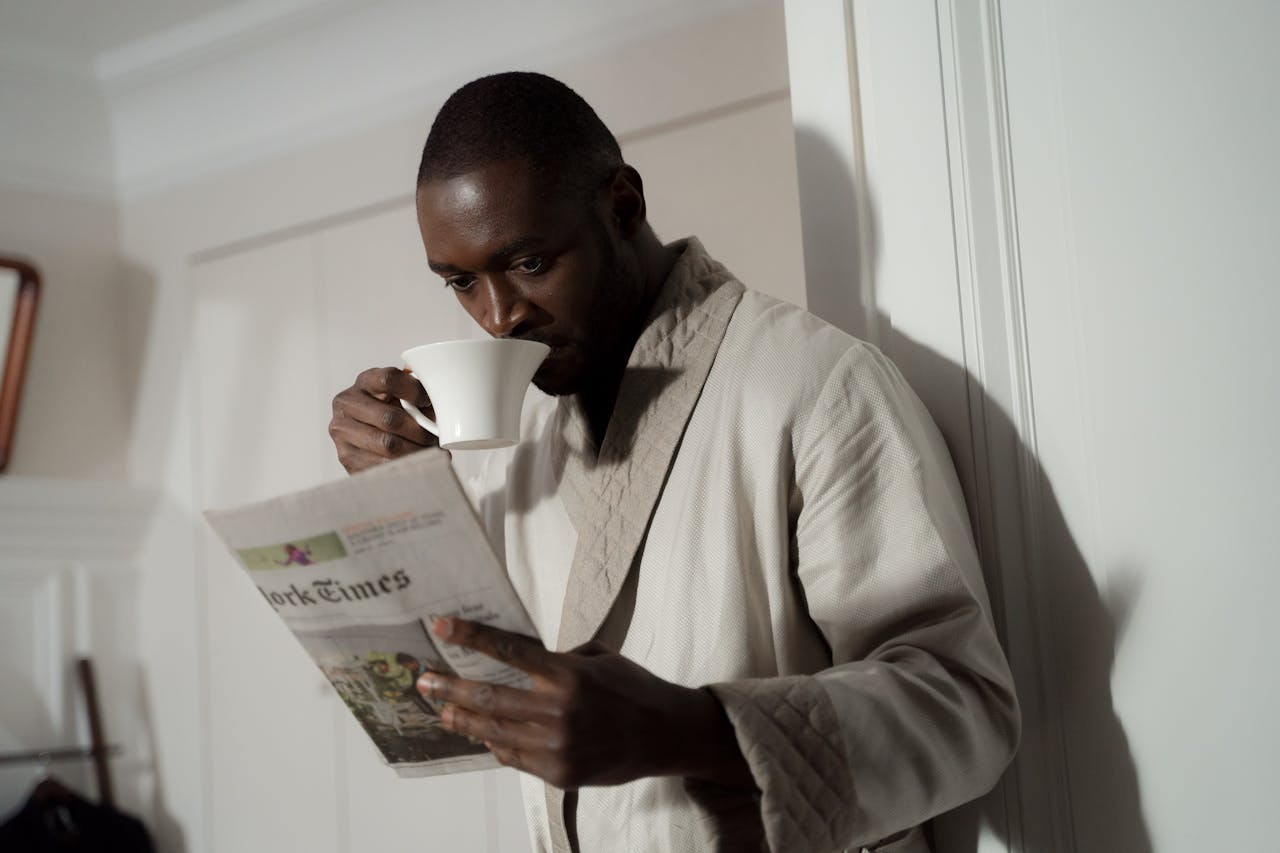
In a groundbreaking report by the Boston Public Health Commission, it's revealed that Black men in Boston face the lowest life expectancy of any racial or ethnic group in the city, clocking in at just 71.8 years—9.
3 years shorter than their peers. This alarming statistic highlights significant health disparities, with unintentional overdoses, heart disease, and cancer as the leading causes of death.
While Black women fare slightly better with an average life expectancy of 80.1 years, the report stresses urgent action is needed to bridge this gap.
In response, the city is taking decisive steps by investing $1 million to support health initiatives for Black men, including a partnership with Dana-Farber Cancer Institute to tackle cancer mortality. Mayor Michelle Wu emphasizes the commitment to addressing these inequities, aiming for a healthier future for all Boston residents.
The momentum is building for transformative changes that can enhance the quality of life for Black communities.
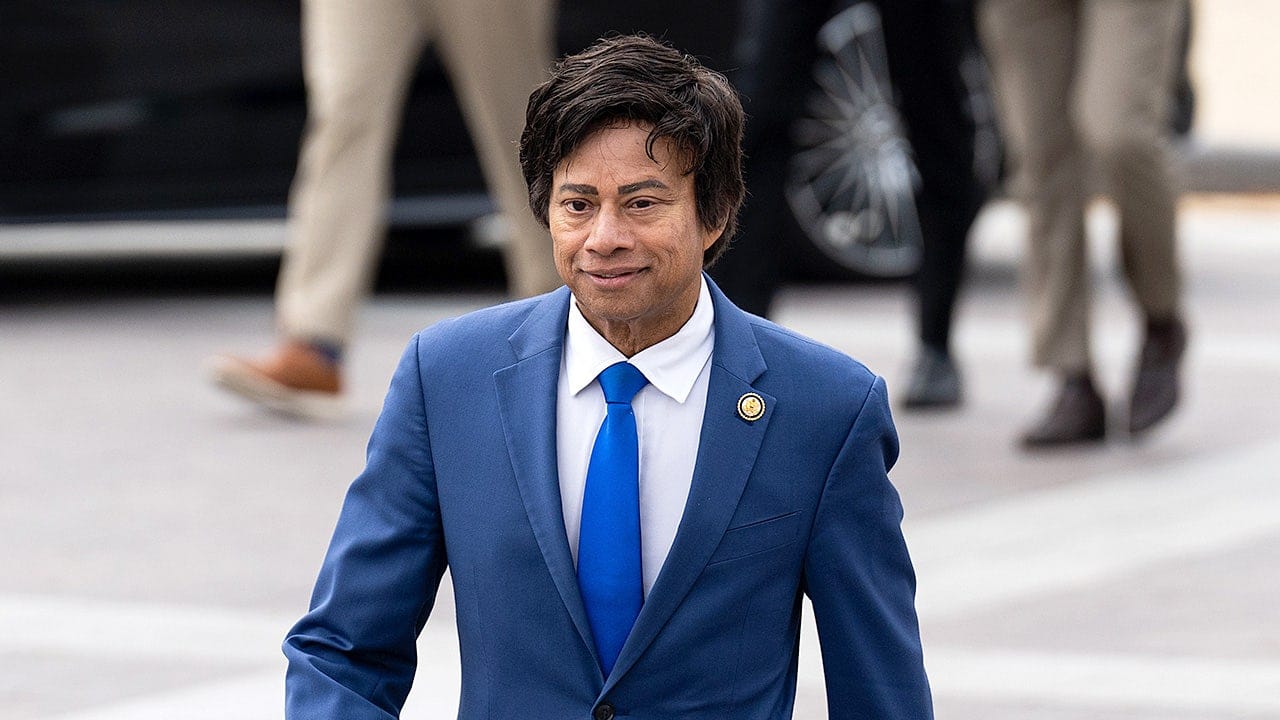
In a bold move, Representative Shri Thanedar, a Democrat from Michigan, is championing a new bill aimed at establishing a federal commission to explore land reparations for descendants of American slaves. Thanedar argues that the U.
S. government has a "shameful" history of breaking promises made to formerly enslaved families regarding land and self-sufficiency, leading to ongoing economic disparities.
While the proposal aligns with progressive calls for reparations, it faces significant hurdles, especially in the current Republican-controlled House. Thanedar, who has consistently supported reparations, believes that addressing historical injustices is essential, emphasizing that other communities have received reparations and it’s time for the descendants of slaves to also be compensated.
However, with the upcoming primary elections and internal party challenges on the horizon, the future of this legislation remains uncertain.
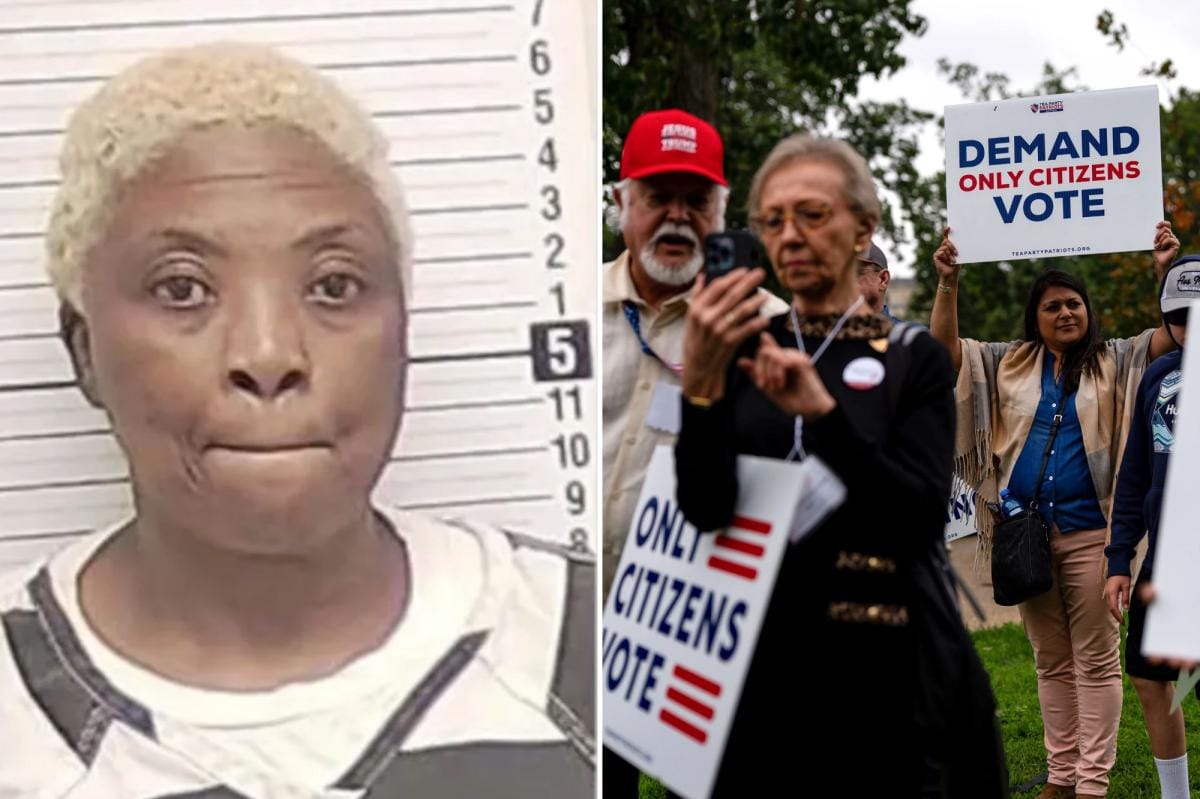
In a surprising revelation, illegal immigrants from Africa, India, and China have been casting votes in U.S.
elections, raising serious concerns about election integrity. The case of Mahady Sacko, a Mauritanian national who has voted as a registered Democrat since 2008 despite being marked for deportation, highlights how non-citizens manage to participate in elections.
Recent arrests, including that of Canadian Denis Bouchard, who falsely claimed citizenship to vote, point to a troubling trend where individuals navigate voter registration systems, often unwittingly. Reports estimate around 14 million non-citizens in the U.
S. are legally present but not eligible to vote.
The controversial SAVE Act aims to tighten voting regulations, demanding proof of citizenship upon registration, a measure gaining traction and sparking debate. As the situation unfolds, questions linger about the impact of illegal voting on American democracy and the urgent need for reform.
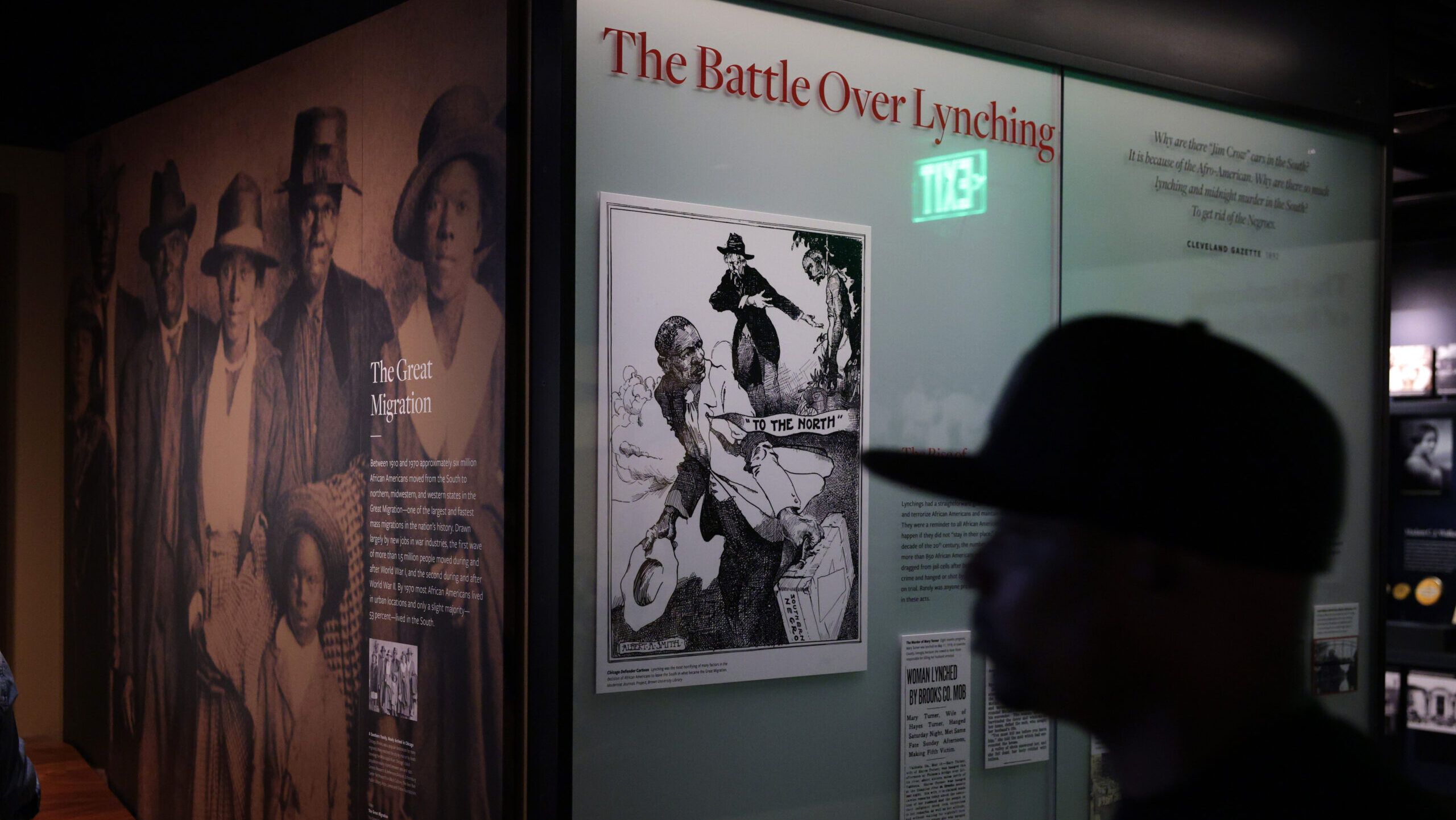
A new report titled “Crimson Record” sheds light on over 70 suspected modern-day lynchings in the Deep South since 2000, challenging the belief that this dark chapter of American history concluded decades ago. Inspired by the work of Ida B.
Wells, the study reveals troubling patterns in cases often misclassified as suicides, highlighting systemic neglect and law enforcement failures. With Mississippi leading the count at 20 cases, the report emphasizes that these acts of violence are not relics of the past but continue to perpetuate racial terror today.
Jill Collen Jefferson, founder of the civil rights organization JULIAN, calls for open conversations about these heinous crimes, insisting that true justice requires acknowledging the ongoing reality of lynching. As communities grapple with this unsettling truth, the report serves as both a wake-up call and a demand for accountability, urging society to confront acts of hate with the seriousness they deserve.