- BlackVoter.Org
- Posts
- BlackVoter.Org
BlackVoter.Org

BlackVoter.org
December 02, 2025


In a thought-provoking exploration, the Miami Times tackles a pressing question: Do Black churches preach a white theology? As America grapples with rising racial tensions, the article underscores the historical imposition of a "white theology" on Black Christians, particularly as figures like white evangelical preacher Donnie Swaggart criticize Black pastors for political endorsements. This theology, rooted in colonialism and slavery, often downplays issues of justice and liberation in favor of comfort and conformity.
Notably, experts like Dr. D.
Z. Cofield and Rev.
Albert B. Cleage Jr.
advocate for a reclamation of a Black liberation theology—one that prioritizes justice, community, and a faith that actively challenges oppression. The call to action includes educating oneself on history, interrogating theological frameworks, and embracing a gospel that uplifts the marginalized.
Ultimately, the piece champions a need for a faith that reflects the struggles and resilience of Black communities rather than succumbing to passive, colonial narratives.


Reginald T. Jackson, a towering figure in both the African Methodist Episcopal Church and the world of politics, passed away at 71 on December 1, 2025, in Washington, D.
C. Leading the St.
Matthew A.M.
E. Church in New Jersey for over three decades, Jackson was known for his powerful advocacy, urging congregants to make their voices heard at the polls with his mantra, “No vote, no clout.
” He was instrumental in mobilizing voters, particularly during the pivotal 2020 presidential election, where his efforts contributed to Joe Biden’s victory in Georgia. As the executive director of the Black Ministers Council of New Jersey, he became a crucial advisor to numerous political leaders, shaping the landscape of state politics.
Remembered as a faithful leader and tireless advocate for justice, Jackson leaves behind a legacy of empowerment and civic engagement within the Black community.
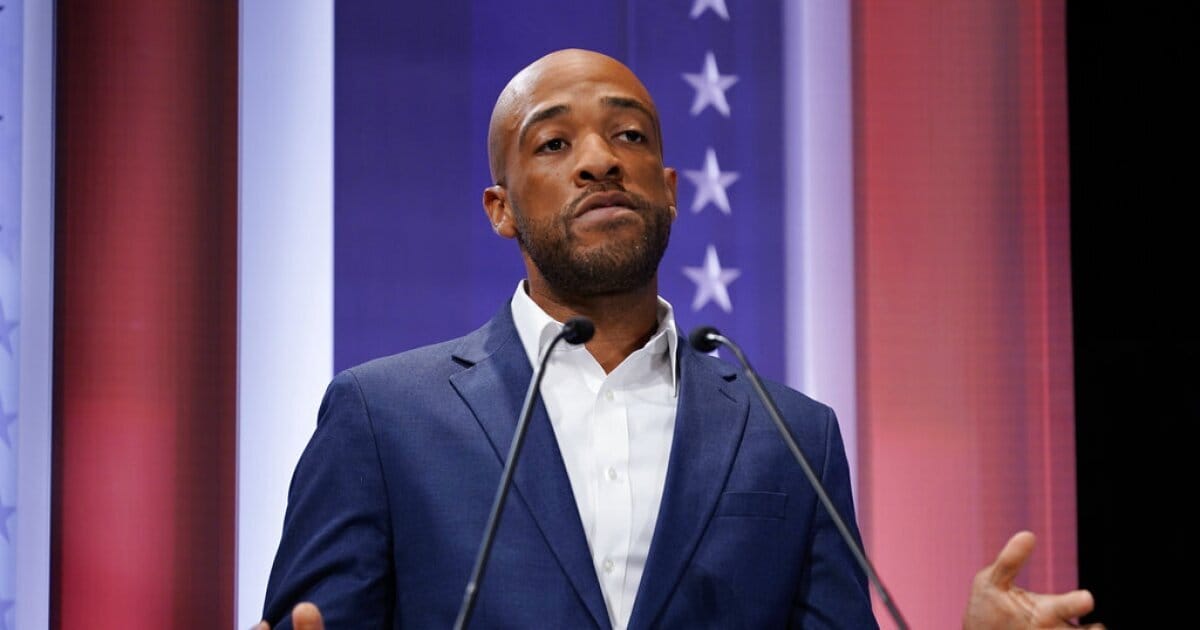
Former Lieutenant Governor Mandela Barnes is stepping back into the political arena with his candidacy for governor, marking a noteworthy comeback ahead of the 2026 Democratic primary. Drawing on his experience as a marathon runner, Barnes likens politics to a challenging race, emphasizing the need for a new approach: “the Wisconsin Way.
” In his recent campaign launch video, he highlights his commitment to addressing working-class concerns, criticizing current federal policies that favor the wealthy. Despite entering a crowded field of 20 candidates split among nine Democrats, Barnes boasts significant name recognition and polling strength.
After narrowly losing a U.S.
Senate race in 2022, he’s eager to reclaim his political influence and bring attention to issues like the rising cost of living. As the primary date approaches, all eyes will be on whether Barnes can leverage his previous statewide experience to secure the nomination and compete in the general election next November.
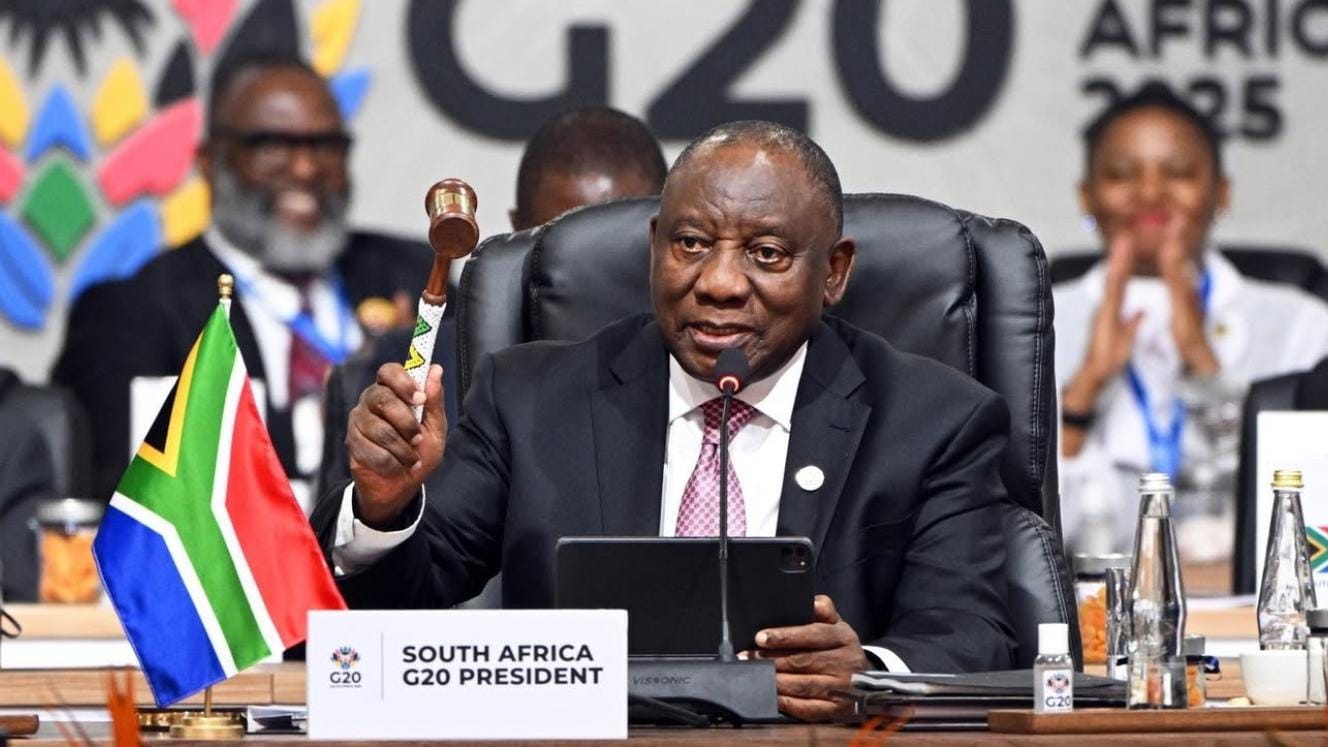
Despite rising political tensions between the US and South Africa, American tourists are undeterred, flocking to the country for its rich experiences and emotional connections. President Cyril Ramaphosa condemned the US's exclusion from the recent G20 Summit as based on misinformation, asserting it's harming South Africa's interests and job market.
However, industry experts like David Ryan from Rhino Africa highlight that American travelers prioritize pleasure and connection over political issues, evidenced by a notable 7.5% increase in US arrivals this year.
With the US remaining South Africa’s largest overseas market, it's clear that travelers are keen to explore the beauty and culture of the nation. Ryan emphasizes the importance of dispelling misinformation, pointing out strong demand for flights and high average spending by US visitors.
Ultimately, the resilience of tourism showcases the power of shared experiences over political noise.

On this momentous day, we celebrate the 70th anniversary of a pivotal moment in the civil rights movement. "When We All Vote" invites you to reflect on the tireless efforts and sacrifices made for the right to vote, a fundamental pillar of democracy.
This anniversary is not just a commemoration; it's a call to action for all Americans to recognize their power and responsibility to shape our future. As we honor the past, let’s ignite our commitment to ensure that every voice is heard and every vote counts.
Join us in acknowledging the progress made while also taking steps to overcome the challenges that remain in achieving true equity at the ballot box. Together, let’s continue the fight for justice and empower each other to engage in the democratic process.

In the latest edition of "Candid Politics," WI Governor candidate David Crowley opens up about his inspiring journey from a challenging childhood to his current role as Milwaukee County Executive. Filmed during a stroll along Lakeshore Path, Crowley shares insights into his motivations as a community organizer and state representative.
This candid interview highlights his commitment to addressing critical issues facing Wisconsin residents, providing a glimpse into his political platform and vision for the future. As Crowley prepares for the governor's race, viewers can gain a deeper understanding of the man behind the campaign and the passion driving his ambitions.
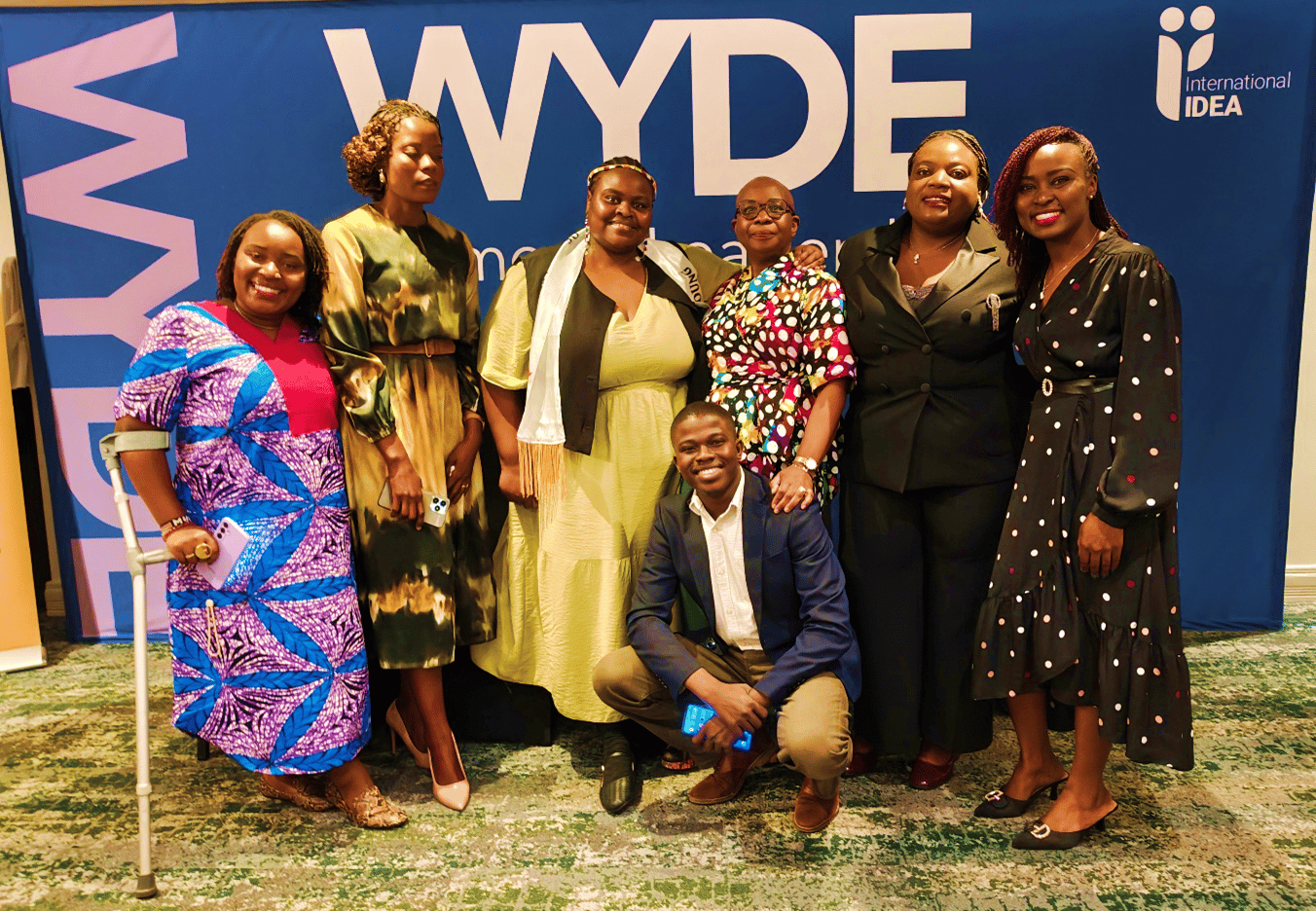
Women with disabilities face significant barriers in politics, often stemming from entrenched social norms rather than their impairments. Despite constituting about one in five women globally, their representation in political leadership remains alarmingly low, primarily due to systemic marginalization and a lack of meaningful support.
While initiatives like the Convention on the Rights of Persons with Disabilities showcase progress, women with disabilities are still sidelined, especially during election campaigns where they confront unique challenges. These include financial strain and inadequate infrastructure, which are often exploited to undermine their candidacies.
Calls for action emphasize the importance of institutional reforms, such as enhanced electoral inclusivity, technical assistance for political parties, and awareness training for law enforcement. Embracing technology and equitable financial practices are vital in empowering these women to bring their unique perspectives to policy-making.
Ultimately, the goal is to ensure that their voices are included, encapsulated in the mantra: “Nothing for us without us.

A new study from the News Literacy Project reveals a troubling trend among American teens: they overwhelmingly view the news media as chaotic and dishonest, labeling it with words like "fake" and "boring." This skepticism highlights a significant crisis in journalism as President Trump intensifies his attacks on the press, leading to diminished public trust across generations.
While only 9% of teens described media positively, a staggering 84% employed negative terms, indicating a fragile understanding of journalism's role in society. Their limited engagement with authentic news, often overshadowed by fictional portrayals in movies, leaves them vulnerable to misinformation and propaganda.
Simultaneously, the Black Press of America remains a beacon of integrity, fighting for justice and truth since its inception. As the media landscape evolves under political pressure, the legacy of Black journalism continues to be a vital resource for empowerment and accountability within the community.