- BlackVoter.Org
- Posts
- BlackVoter.Org
BlackVoter.Org

BlackVoter.org
April 03, 2026

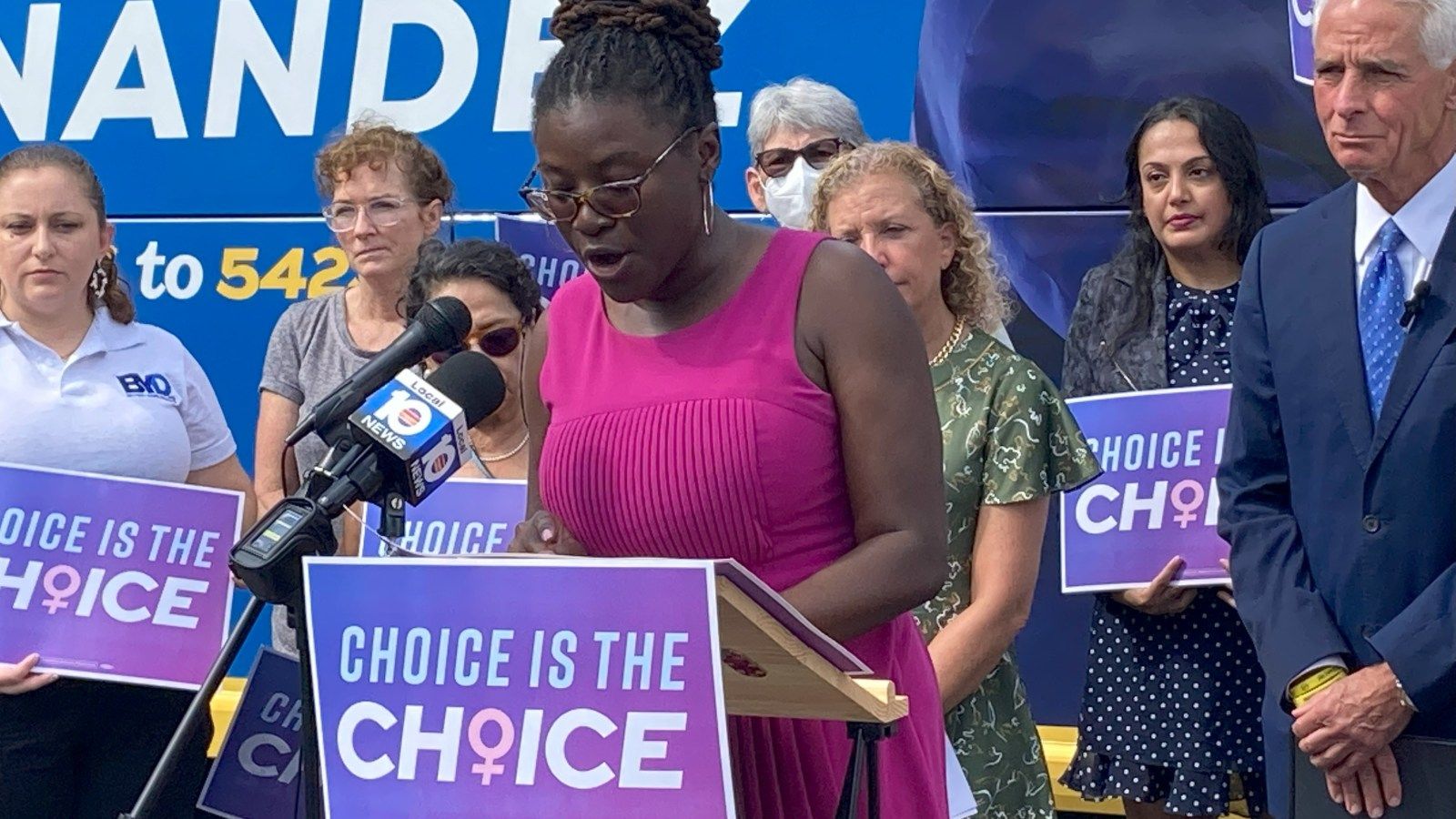
Nancy Metayer Bowen, the vibrant vice mayor of Coral Springs, is being passionately remembered as a trailblazer and a "force for good" following her tragic death at 38. Colleagues describe her as a dedicated and compassionate public servant who deeply believed in equity, justice, and environmental stability.
Just days before her death, she was poised to announce her candidacy for Congress, a move many believed was a stepping stone to a brilliant political future. From engaging with her community to advocating for immigrant rights, particularly in the Haitian-American community, Metayer Bowen's influence extended far beyond her city.
Renowned for her kindness and unwavering dedication, she left a powerful legacy in just a few short years. Her tragic passing has left friends and political allies shocked and mourning the tremendous impact she made, and the promising future that has now been cut short.
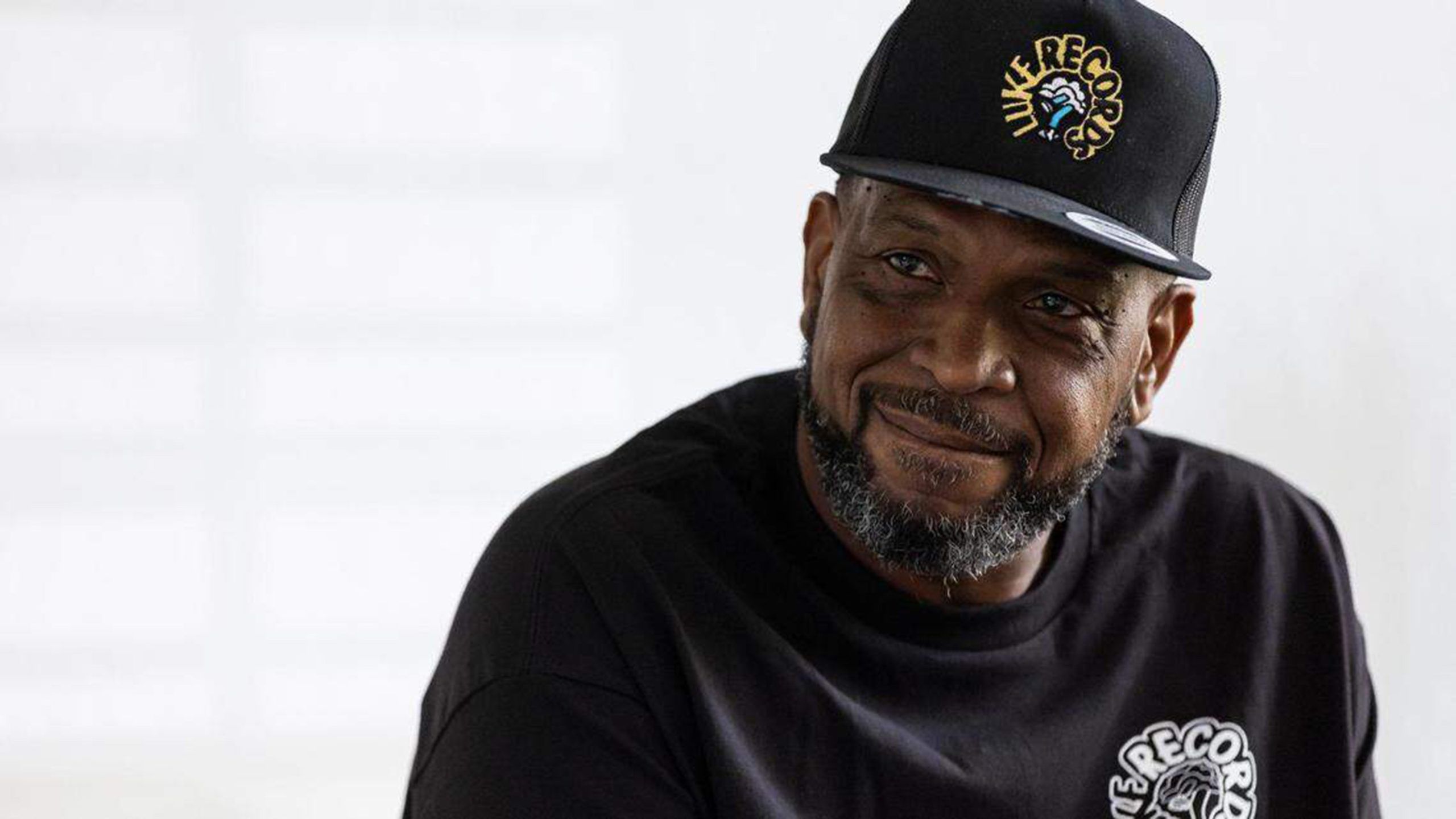
Rap legend Luther "Uncle Luke" Campbell is trading his mic for a congressional seat, vying to represent Florida’s 20th District. Known for his provocative music, particularly with 2 Live Crew, Uncle Luke is now turning his attention to political accountability in a community he deems underserved.
With a history of activism and community service over the past 35 years, Campbell is ready to confront pressing issues, including criticism of Black celebrities like Chilli from TLC and Nick Cannon for their support of Donald Trump. He asserts that their choices betray the very audience that uplifted them.
Campbell’s journey from rap pioneer to political contender captures the essence of his unyielding spirit, promising a fresh voice in Congress as he seeks to address socio-economic challenges in historically Black communities. As he embarks on this new path, many are eager to see if his unapologetic style can translate to political success.
/

In a riveting episode of BT Unleashed, Stephen A. Smith opens up about his journey, reflecting on a near-death experience during the pandemic that transformed his health and life perspective.
In candid conversations with Brandon Tierney, he shares insights into the real workings of ESPN's First Take, tackling misconceptions about his control over the show's dynamics and revealing the significance of authentic debate partners like Skip Bayless. Smith, likening himself to Howard Cosell, explains how his newspaper roots shape his media instinct—delivering engaging content with a natural flair.
He also addresses his tumultuous feud with Jason Whitlock, framing it as a defense for colleagues and voicing his political beliefs, particularly the accountability of Black Americans in politics. More than just a sports commentator, Smith aspires to build a legacy that empowers others, proving he’s not just about headlines, but about meaningful conversations that matter.

In a thought-provoking piece, Solomon D. Stevens tackles the troubling rise of vulgarity in political discourse.
He notes that while occasional colorful language was once considered shocking, today, politicians bombard us with profanity as a norm. This shift has spawned a culture of personal attacks over substantive debate, damaging our civil discourse and increasing societal polarization.
Stevens argues that while private swearing may serve as emotional relief, public communication should uphold a level of restraint that fosters respect and collaboration. He warns against equating vulgarity with authenticity, reminding us that politicians can mislead regardless of their choice of words.
Ultimately, Stevens calls for a return to civility in politics, urging that with less cursing and more decorum, our elected officials might just focus more on solving the pressing issues facing society. Restraint, he argues, is essential for nurturing a productive political environment.
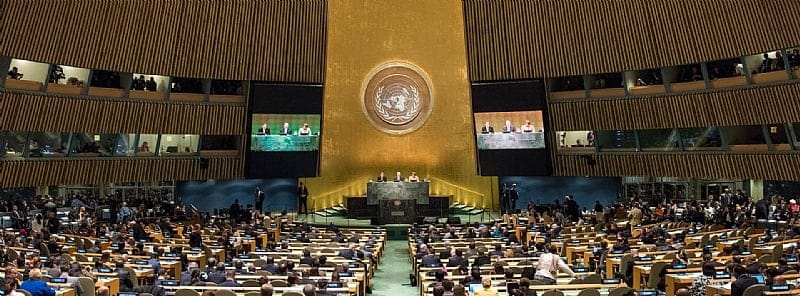
On March 25, 2026, the UN General Assembly made history by adopting a resolution that declared the transatlantic slave trade the "gravest crime against humanity," spearheaded by Ghana. While 123 nations supported the resolution, three— the United States, Israel, and Argentina—voted against it, igniting a fiery global debate.
Their opposition stemmed from concerns about potential legal repercussions, particularly around reparations, which they argued could unfairly burden contemporary taxpayers for historical injustices. Additionally, they criticized the resolution's wording for potentially ranking historical atrocities and oversimplifying complex historical narratives.
This decision reflects a broader divide between the Global South, which advocates for recognition and reparations, and Western countries wary of the ramifications of acknowledging historical wrongs. Importantly, it’s crucial to note that these nations do not defend slavery’s legacy; their focus is on the implications of today’s legal responsibilities.
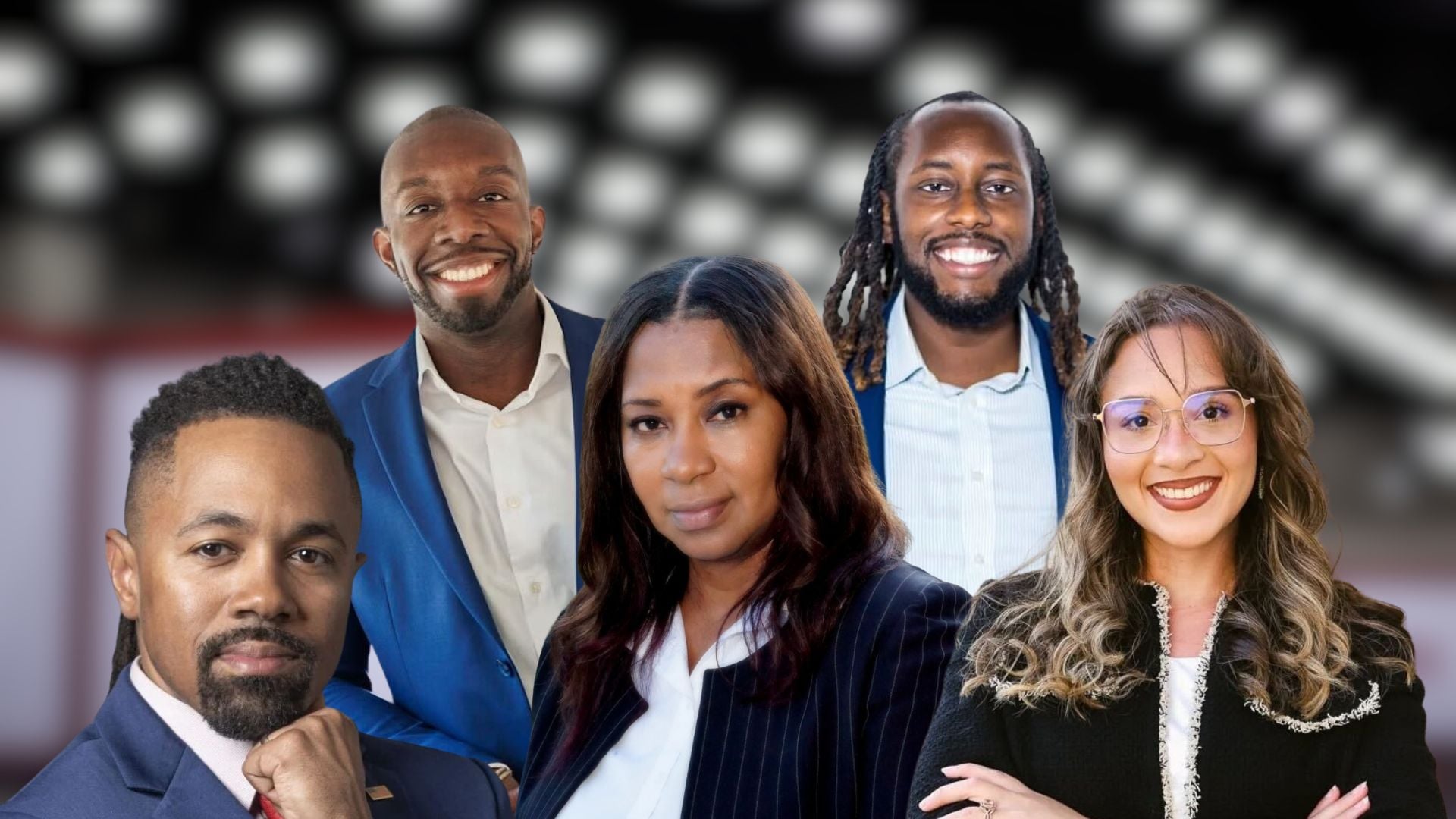
As the 2026 elections approach, a dynamic group of five Black candidates is stepping into the political arena, ready to tackle issues that have long impacted their communities. From civil rights lawyer Austin Edwards, who aims to revitalize Trenton, New Jersey, to Everton Blair, a trailblazer in education seeking to challenge incumbents in Georgia, each candidate brings a unique perspective.
Priscilla Williams-Till, cousin of the late Emmett Till, is vying for a Senate seat in Mississippi, harnessing her family's legacy of resilience. Meanwhile, grassroots candidate Jump Shepherd from Illinois is pushing bold reforms, including a wealth tax and affordable housing initiatives.
N’Kiyla Jasmine Thomas, a military spouse and nurse from Oklahoma, advocates for equitable healthcare and education access. These candidates are poised to create meaningful change and represent the voices of their communities, highlighting the urgency and importance of civic engagement at every level of government.
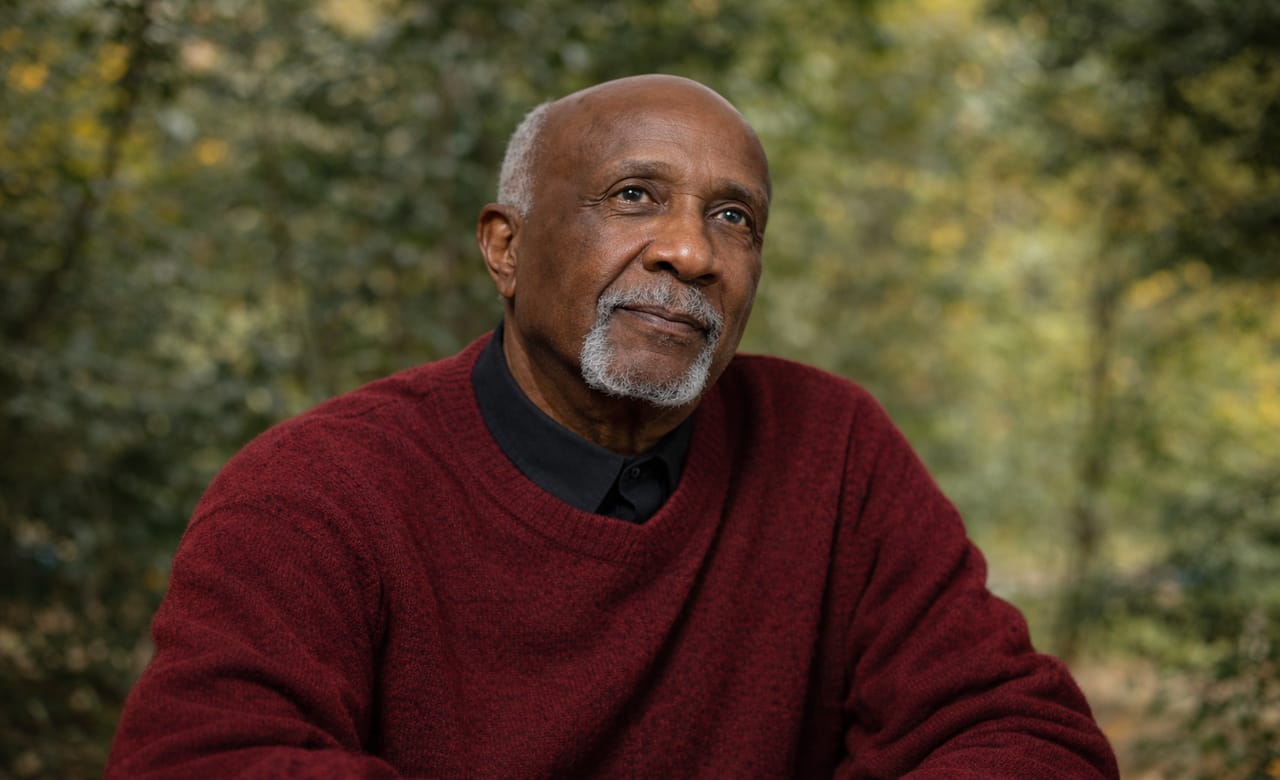
Ernest McMillan, a pivotal figure in African American activism, passed away at 81 in Dallas on March 28, 2026, after battling health issues. With roots in a segregated Texas, McMillan devoted over half a century to advocating for social justice, beginning with his impactful participation in the civil rights movement.
Known for his work with the Student Nonviolent Coordinating Committee (SNCC), he organized voter registration efforts and protests in the South, risking his own safety for change.
After the height of the movement, McMillan took on a transformative role as a mentor, founding programs focused on the holistic development of African American and Latino youth.
His legacy is characterized by a commitment to grassroots empowerment, building sustainable community structures, and promoting dialogue through cultural events. McMillan believed that true social change stems from the collective effort of organized communities, a lesson that resonates deeply today as the fight for equality continues.
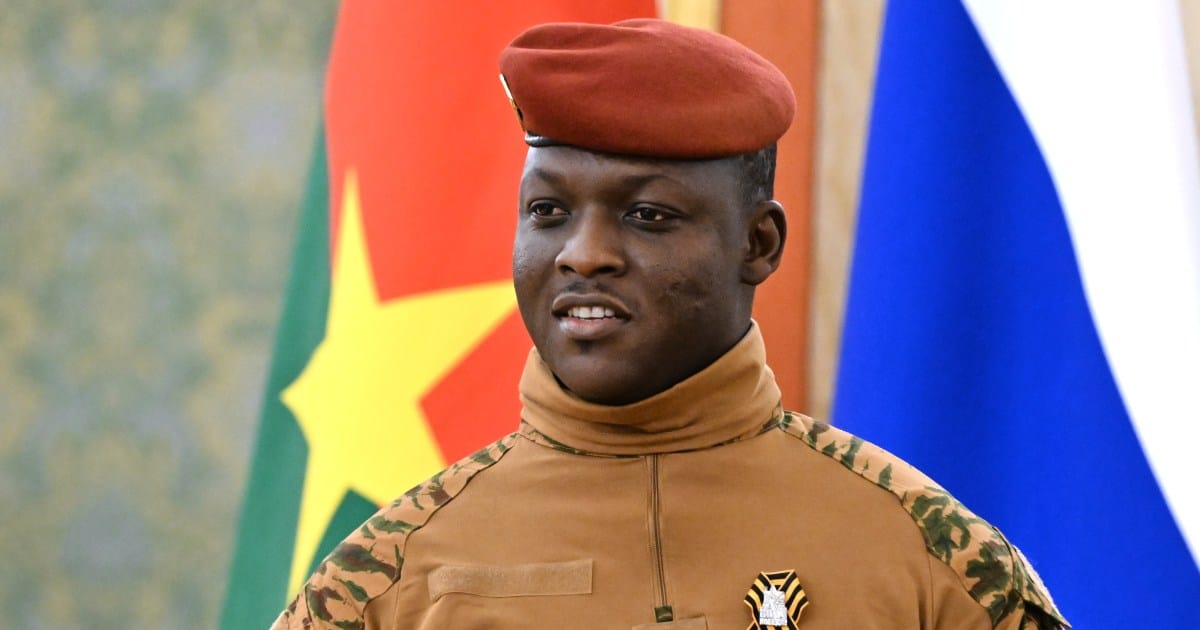
In a shocking reversal, Burkina Faso's military leader, Ibrahim Traore, has urged citizens to "forget about democracy," just months after dissolving all political parties. In a recent televised interview, Traore cited Libya as a cautionary tale of failed democracies leading to bloodshed, asserting that "democracy kills.
" Initially seizing power in September 2022 with promises of elections, Traore has since abandoned these commitments, declaring that voting will only occur once the nation is secure from ongoing violence. With fatalities tripling in the last three years and thousands of civilians displaced, Traore's regime has also targeted journalists and opposition figures—reflecting a broader trend seen in neighboring countries like Niger and Mali.
As Burkina Faso shapes its future amid escalating violence and political repression, the global community watches closely, questioning the implications for West African stability and governance.