- BlackVoter.Org
- Posts
- BlackVoter.Org
BlackVoter.Org

BlackVoter.org
March 11, 2026


York-area genealogist Neicy DeShields-Moulton has embarked on a powerful journey of self-discovery and ancestral connection that spans over 200 years of American history, tracing her family’s roots to the Hampton Plantation in Maryland. Initially met with silence and reluctance to discuss painful ancestral tales of slavery, DeShields-Moulton's curiosity ignited a spirited quest to reclaim her family’s narrative.
Pouring over original documents and connecting long-lost relatives, she has built a comprehensive genealogy that links her lineage to significant historical events, from the Revolutionary War to the Underground Railroad. Her efforts not only illuminate her family's past but also foster rebirth among descendants, as seen in heartwarming reunions facilitated through her research.
DeShields-Moulton champions the idea that acknowledging Black history is crucial to American heritage, stressing that understanding one’s roots is essential to moving forward.

In a groundbreaking case, David Duvall, a former senior vice president at Novant Health, sued the health system for alleged discrimination based on his race and gender after being fired in 2018. He claimed his dismissal was linked to the organization’s push for greater diversity in leadership roles.
Presenting strong evidence of his previous success and performance, Duvall won a jury trial, resulting in a $4.8 million award upheld by an appeals court.
His case has ignited debate around "reverse discrimination," particularly among White men in corporate America, amid rising lawsuits alleging bias linked to diversity initiatives. As anti-DEI sentiments gain traction, especially under political influences, legal experts predict an increase in such claims.
While challenges persist in these lawsuits, Duvall’s journey reflects the evolving landscape of workplace equity and the complexities of navigating diversity efforts in today’s corporate culture.
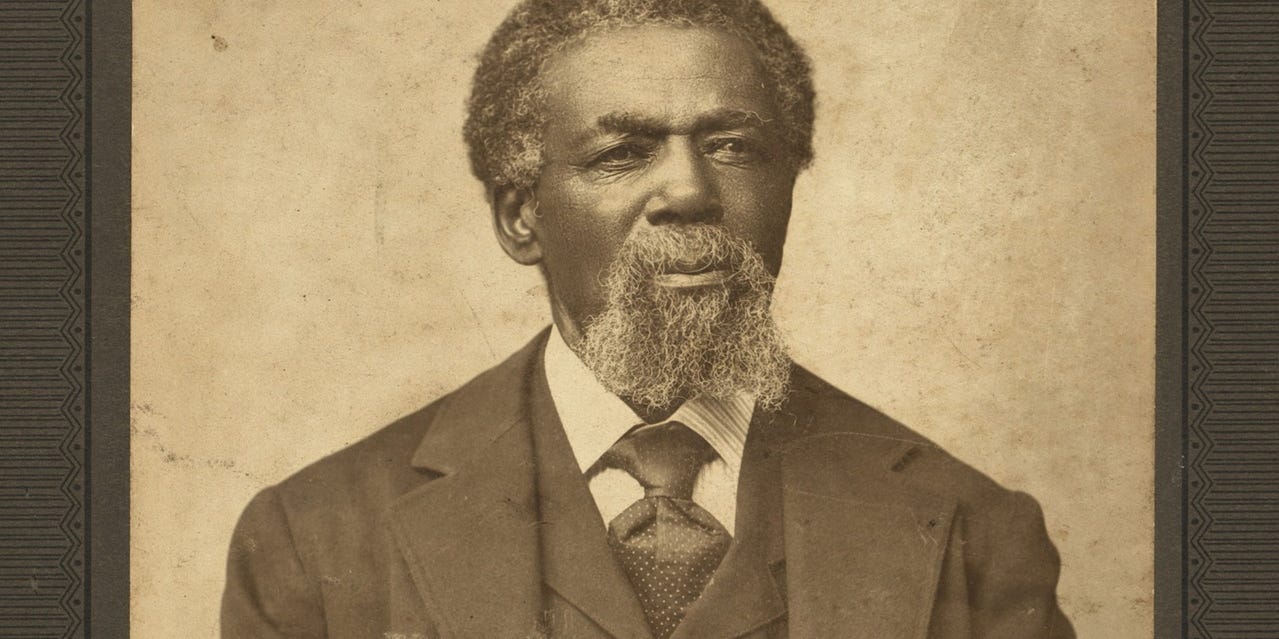
Perth Amboy is set to celebrate a pivotal moment in American history on March 31, honoring Thomas Mundy Peterson, the first African American to vote after the 15th Amendment was ratified. This year marks the 156th anniversary of Peterson's groundbreaking vote, a moment that symbolizes the ongoing expansion of democracy.
The free public celebration will take place at Cathedral International, featuring speakers, including Peterson's descendants who emphasize the importance of civic engagement. Mayor Helmin J.
Caba highlights that this event is part of broader festivities commemorating the nation's 250th anniversary. The legacy of Peterson, who exercised his right to vote in 1870, continues to inspire future generations about the power of participation in democracy.
Join the community in reflecting on this crucial chapter of history and celebrating the vital role of Black history in America's narrative.

The article from Britannica delves into the complex and often misleading concept of "race" in relation to human variation and genetics. It emphasizes that traditional racial classifications—often based on arbitrary physical traits—fail to reflect the vast diversity within groups.
For instance, African Americans display a wide array of physical characteristics, challenging the simplistic "one-drop rule" that has historically defined racial identity in the U.S.
The text also highlights how interactions and interbreeding among diverse populations across the globe have further blurred racial boundaries. As globalization increases exposure to different cultures, it's becoming clearer that rigid racial categories no longer fit the reality of human interconnectedness, leading us to reevaluate our understanding of race as a social construct rather than a biological fact.
Ultimately, the article invites readers to reconsider the assumptions underlying racial classifications and to recognize the rich tapestry of human variation.

Maryland lawmakers are making waves by pushing forward with slavery reparations after successfully overriding Governor Wes Moore's veto. A new commission will explore and recommend benefits for individuals affected by historical inequalities.
This bold move is part of a broader nationwide discussion on reparations, reflecting a growing acknowledgment of past injustices. Demonstrators have been rallying for such measures, and Maryland's decision may ignite further action in other states.
With this commission, Maryland aims to tackle the legacy of slavery and its lingering effects head-on, setting a precedent for meaningful reparative action. As legislators gear up to address the needs of those impacted, the conversation around reparations is likely to gain even more momentum across the country.
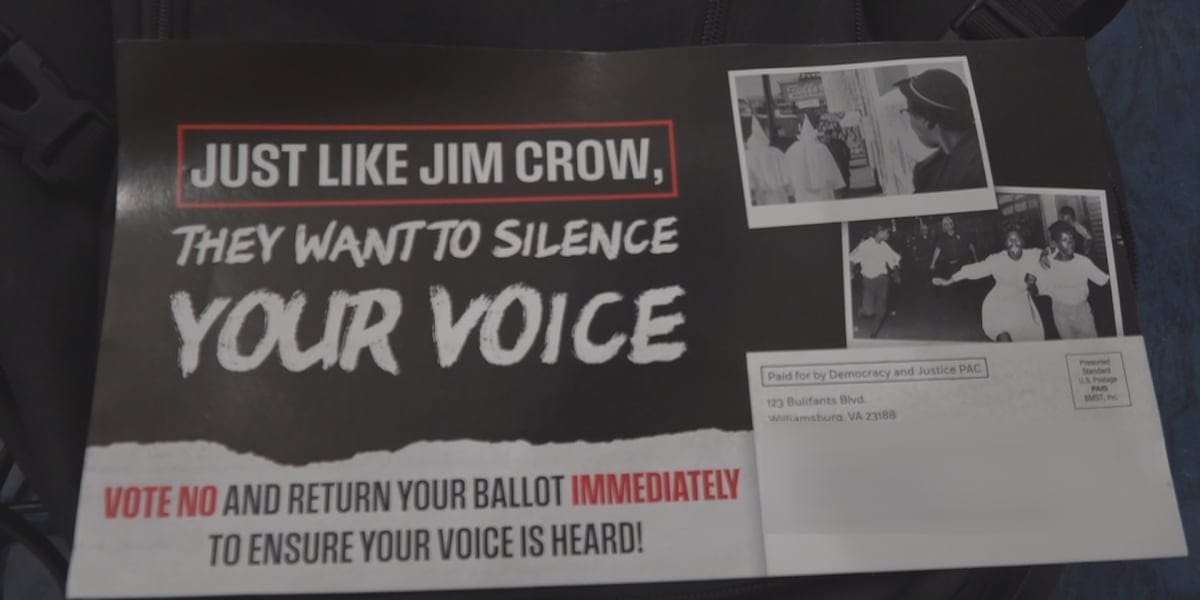
A controversial flyer has sparked outrage in Virginia by comparing a proposed redistricting amendment to Jim Crow laws. The mailer, distributed by the Democracy and Justice Political Action Committee, argues that Democrats are attempting to dilute Black-majority districts for their political gain.
Roanoke resident Eve Brown called the flyer offensive and expressed concern about its targeting of African American voters. Former Delegate A.
C. Cordoza, who leads the PAC, defends the comparison, suggesting that the redistricting plan undermines the voices of African Americans and violates past voter support for district protections.
Conversely, Virginia NAACP representatives vehemently oppose the flyer, insisting it misrepresents the redistricting initiative’s intent to promote equity and enhance representation. As early voting begins on this contentious issue, both sides mobilize their arguments for the upcoming election on April 21, highlighting the deep divisions surrounding Virginia's political landscape.
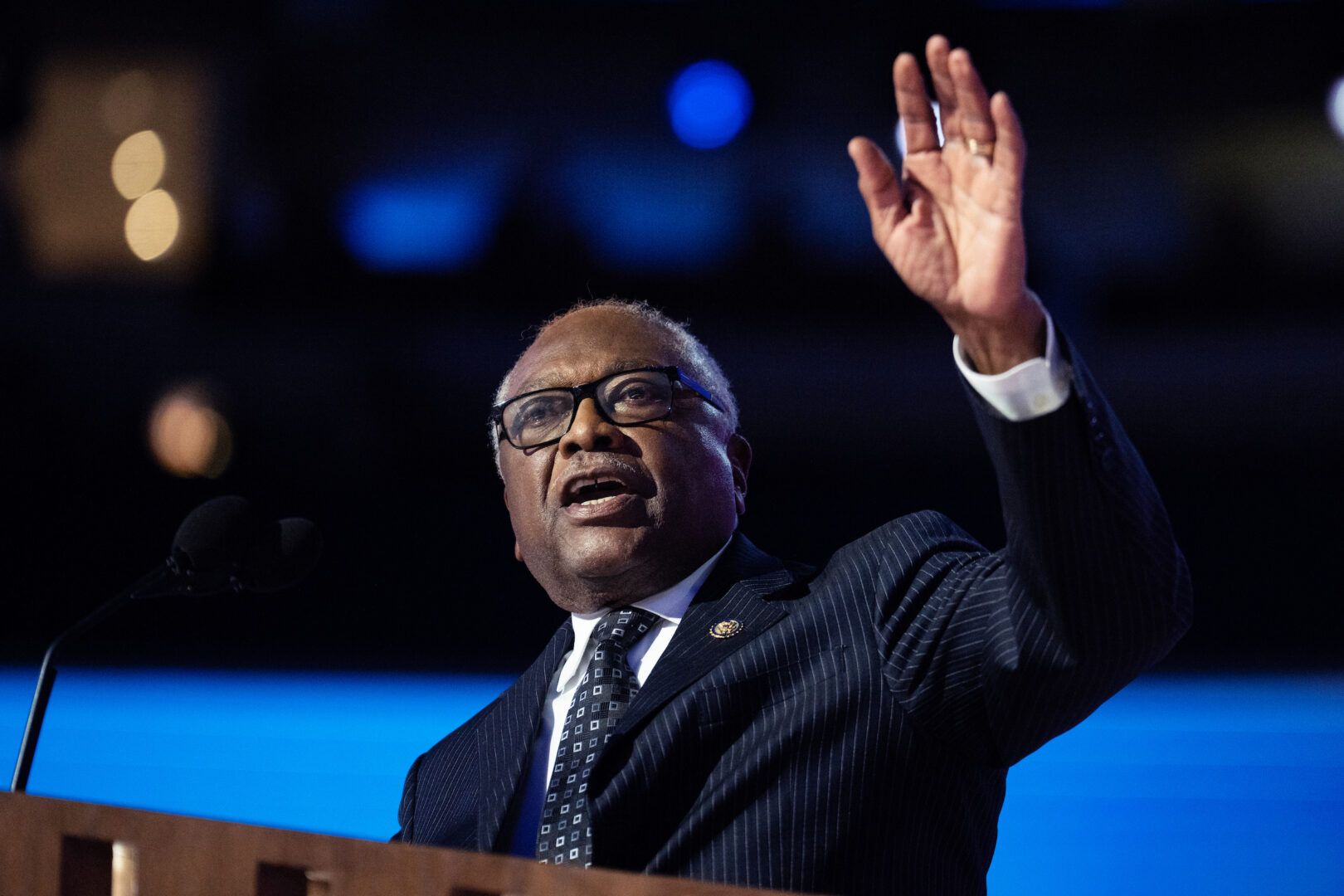
Are Americans fighting for justice ready to face critical challenges head-on? In the wake of the Supreme Court's potential dismantling of the Voting Rights Act, Rep. James E.
Clyburn offers a powerful perspective rooted in history and personal experience. Reflecting on the struggles of the past, from the Jim Crow era to the infamous Bloody Sunday march in Selma, Clyburn emphasizes that the fight for equality is ongoing.
With midterm elections approaching and rising concerns over voting rights, Clyburn urges citizens to channel their courage instead of fear, reminding us that one vote can make a difference. His message serves as a rallying cry for activists and everyday Americans alike, encouraging them to rise up against intimidation and confusion often employed by those seeking to suppress votes.
In essence, Clyburn's call to action encourages resilience in the pursuit of justice, highlighting that the work started by brave individuals decades ago must continue today.