- BlackVoter.Org
- Posts
- BlackVoter.Org
BlackVoter.Org

BlackVoter.org
April 06, 2026

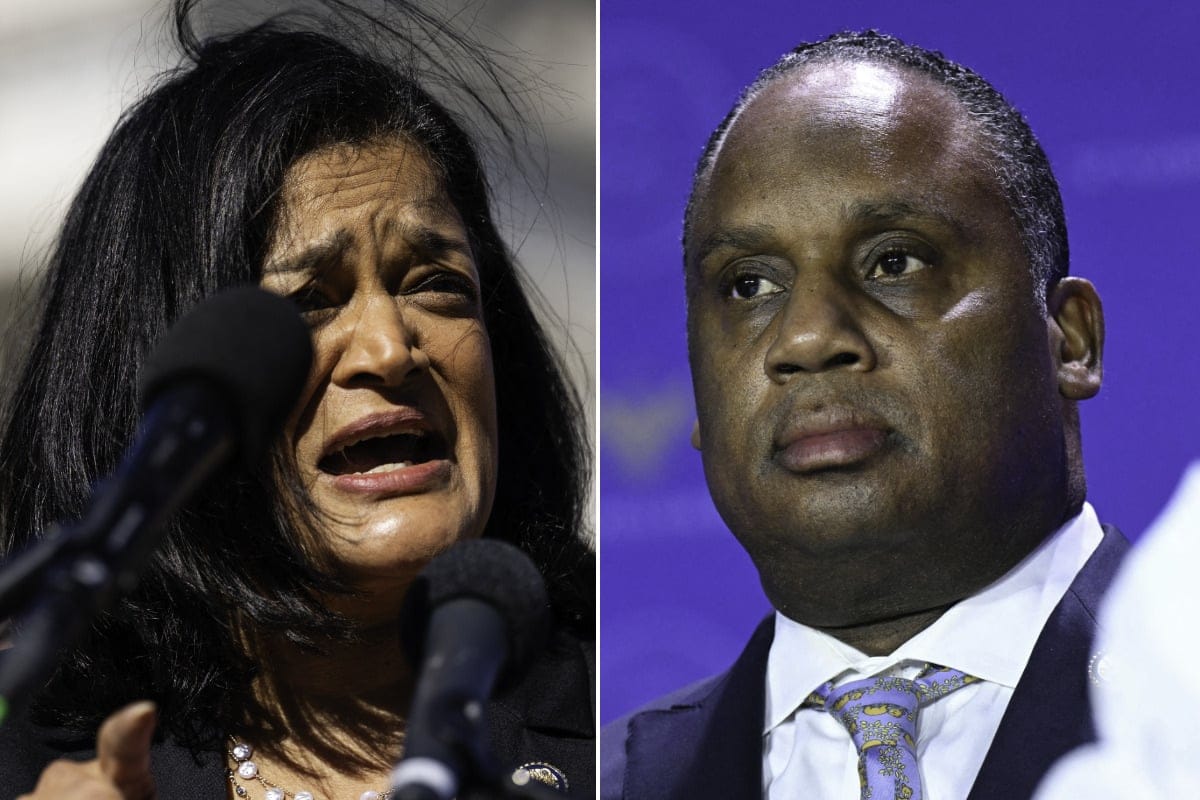
After a poignant five-day visit to Cuba, Democratic Representatives Pramila Jayapal and Jonathan Jackson are vocally demanding an end to the U.S.
blockade on the island, which they condemn as "illegal" and a source of immense suffering. They shared harrowing stories, including alarming cases of premature infants in incubators lacking electricity and the halt of essential services due to fuel shortages.
Their experiences revealed a community in distress, where children can’t attend school, cancer patients are deprived of medications, and families struggle to preserve food. Jayapal and Jackson stressed that this blockade, viewed as collective punishment, needs to stop immediately.
They advocate for real negotiations between the U.S.
and Cuba to restore dignity and foster collaboration that benefits both nations. Their call to action echoes a growing sentiment that the majority of Americans would oppose such cruelty in their name.

In a pivotal move for justice, the United Nations recently recognized the transatlantic slave trade as "the greatest crime against humanity" and called for reparations for its victims. This resolution, supported by 123 nations, emphasizes a global commitment to acknowledging the atrocities committed over four centuries.
While Ghana spearheaded this initiative, and historic figures like UN Secretary-General Antonio Guterres highlighted how Western nations’ wealth stemmed from slave labor, challenges remain. Countries that once profited from slavery, including the UK and US, have resisted calls for reparations.
Efforts by CARICOM nations demand collective action for reparative justice, reaching an astounding $33 trillion in claims. The legacy of slavery lingers in ongoing racial inequalities, underscoring the urgent need for accountability.
As John Dramani Mahama of Ghana asserts, it's time for nations to confront their past and support reparations, turning this quest for justice into a reality.
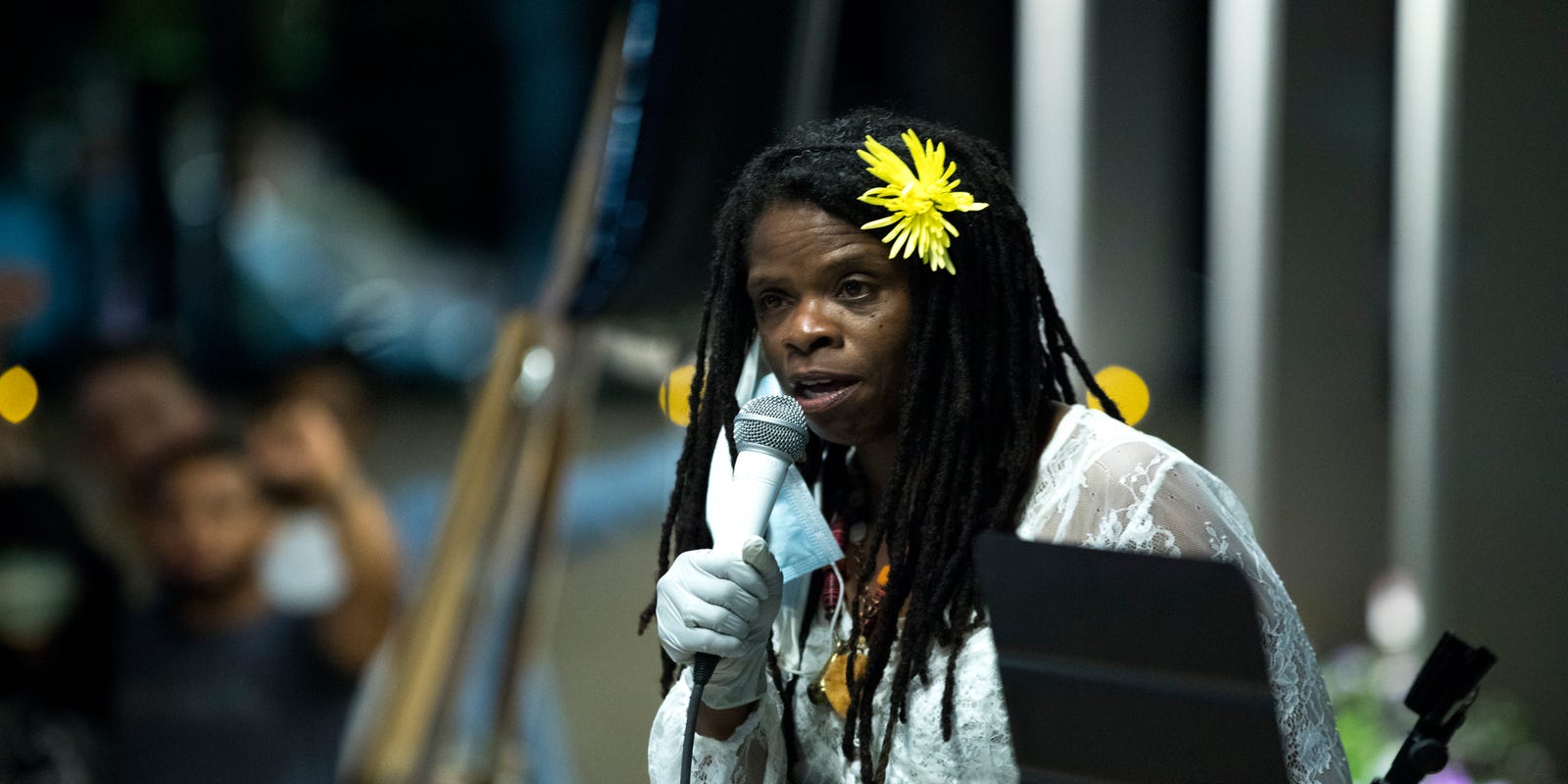
Iris Roley stands as a pivotal force in Cincinnati's journey toward police reform. A vibrant activist for 25 years, she was instrumental in the formation of the Collaborative Agreement in 2002, a landmark effort to reshape police-community relations sparked by the tragic death of Timothy Thomas.
Despite facing threats and criticism—most recently from the Fraternal Order of Police, who branded her an "agitator"—Roley's commitment to advocacy has earned her respect among community leaders and city officials alike. Her role as a city liaison underscores her dedication to bridging the gap between residents and police, though it has sparked debate about her confrontational approach.
As role models emerge in her wake, Roley remains a beacon of activism, pushing for continued accountability within the Cincinnati Police Department while influencing reform efforts nationwide. With her contract running until 2027, her impact is sure to resonate long into the future.
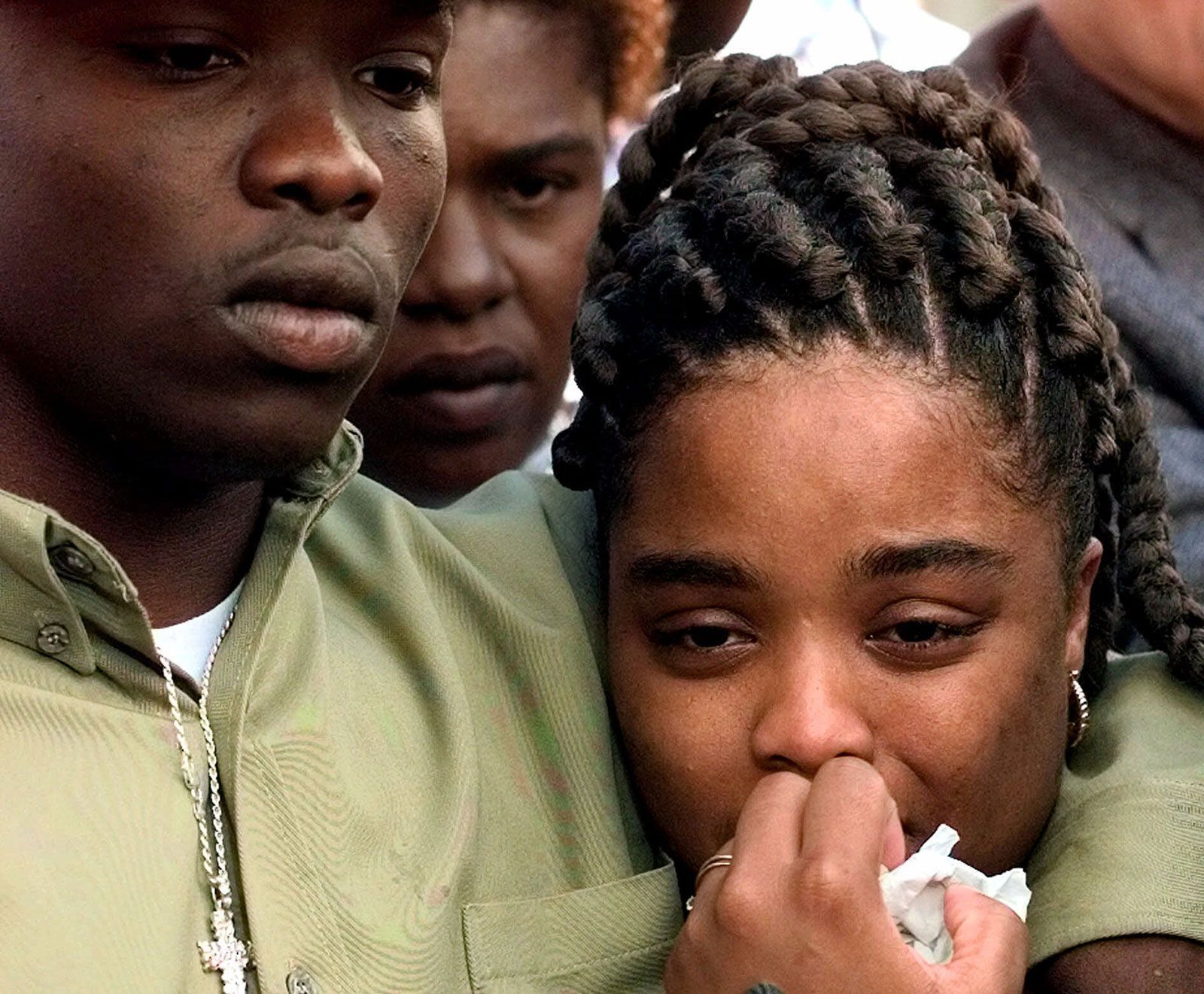
The brutal murder of James Byrd, Jr. on June 7, 1998, in Jasper, Texas, left an indelible mark on American society.
Byrd, an African American man, was horrifically dragged to his death behind a pickup truck by three white men—members of a white supremacist group. After accepting a ride home from them, Byrd became the victim of a violent attack in a remote area.
Following their heinous act, the perpetrators disposed of his dismembered body in a cemetery. The outrage sparked by this racially motivated hate crime led to significant legal discourse, ultimately resulting in capital punishment for two of the killers and life imprisonment for the third.
Byrd's case not only highlighted the deep-seated issues of racism in America but also spurred changes in hate crime legislation, reminding us of the importance of justice and compassion in the face of unspeakable violence.
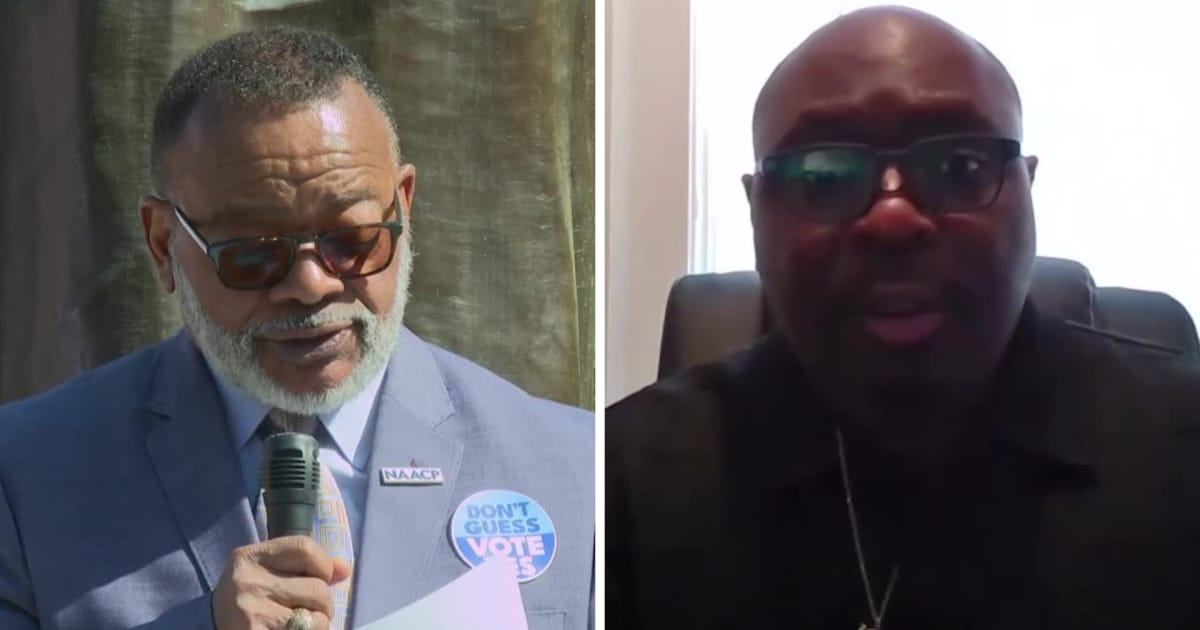
In a heated battle over Virginia's congressional redistricting referendum, groups are trading barbs over misleading messaging as early voting heats up. Voters face a critical choice: temporarily suspend the bipartisan redistricting commission that established a 6-5 Democratic map and replace it with a more favorable 10-1 Democratic layout until after the 2030 census.
The NAACP has slammed disinformation tactics used by the Justice for Democracy PAC, particularly flyers touting endorsements from prominent figures like Barack Obama, which the NAACP claims twist past statements against gerrymandering. PAC chair A.
C. Cordoza, defends their stance, stating that they aim to remind voters of the original ideals of fairness in redistricting.
As accusations of distortion fly, voters are left navigating a complex landscape leading up to Election Day on April 21, with early voting already surpassing 594,000 participants. This contentious referendum could reshape the political map of Virginia for years to come.

As a pivotal Supreme Court ruling approaches, the battle for Black voting power intensifies across the U.S.
The case of Louisiana v. Callais raises crucial questions about the fate of the Voting Rights Act (VRA) and whether states can still create fair electoral maps that empower Black voters.
Over a decade of systematic dismantling of these protections has fostered legislative efforts to silence minority voices and reinforce one-party rule.
The ongoing push against the VRA echoes historical injustices, with modern tactics reminiscent of Jim Crow laws designed to suppress voter participation.
From restrictive voting legislation to intimidation tactics, the challenges faced today threaten to redefine democracy in the South. Yet, history teaches us that walls erected to keep people out can be torn down.
As activists rally for fair access to the ballot, the South stands at a crossroads once again, fighting to reclaim the promise of a true multiracial democracy.
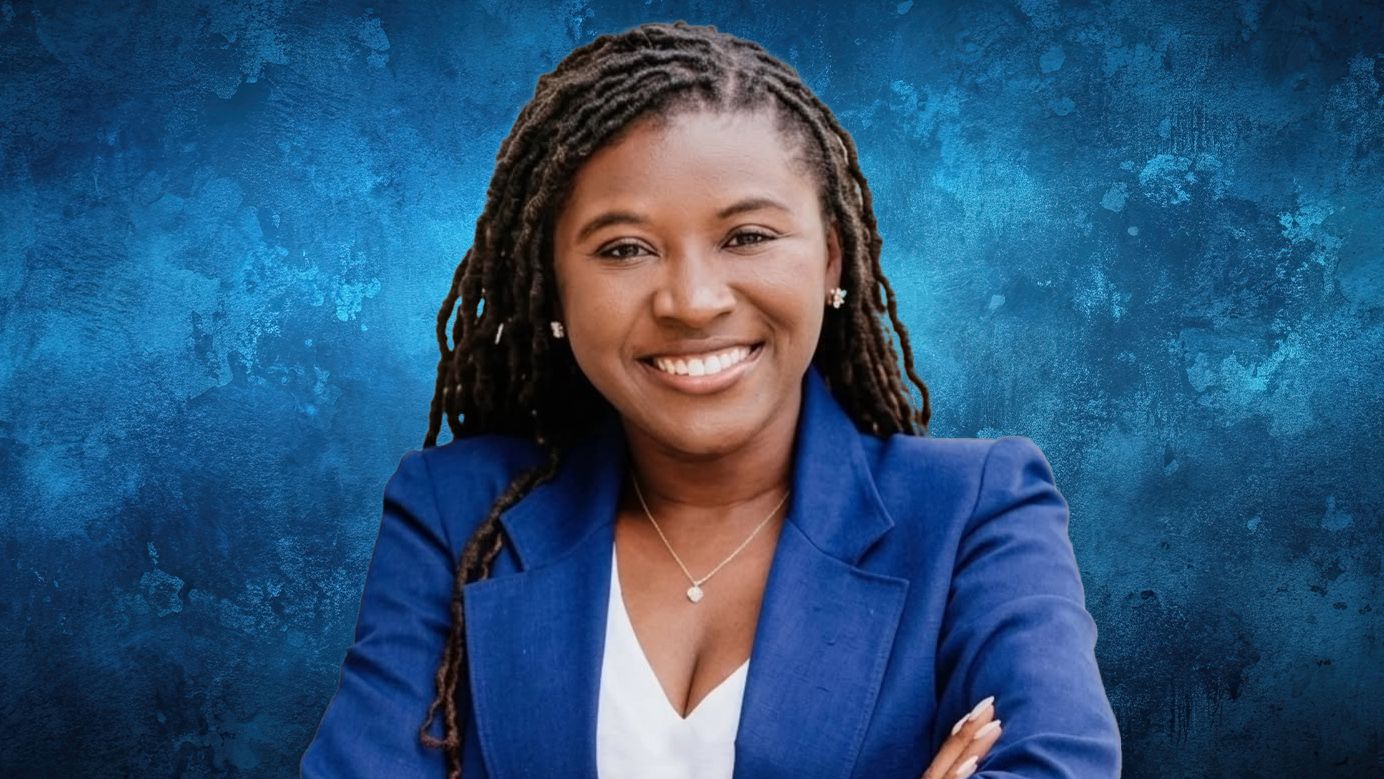
Nancy Metayer Brown, a beloved Coral Springs leader, has left an enduring legacy of compassion and outreach following her tragic death at the age of 38. Known for her fearless advocacy for marginalized communities and her dedication to climate issues, she handled conflicts with a compassionate touch, bridging divides between diverse groups.
In a notable incident, she stood by a Muslim organization when their event was abruptly canceled amid rising tensions, championing their rights at great personal risk. Colleagues and friends remember her as a vibrant force, tireless in her efforts to foster equity and progress.
Metayer Brown’s impact resonated deeply in the Haitian community, where her commitment to social and environmental justice uplifted many. As her community mourns her loss, they also vow to honor her memory and continue her work.
A candlelight vigil is set to commemorate her legacy as a beacon of hope and kindness.