- BlackVoter.Org
- Posts
- BlackVoter.Org
BlackVoter.Org

BlackVoter.org
March 27, 2026
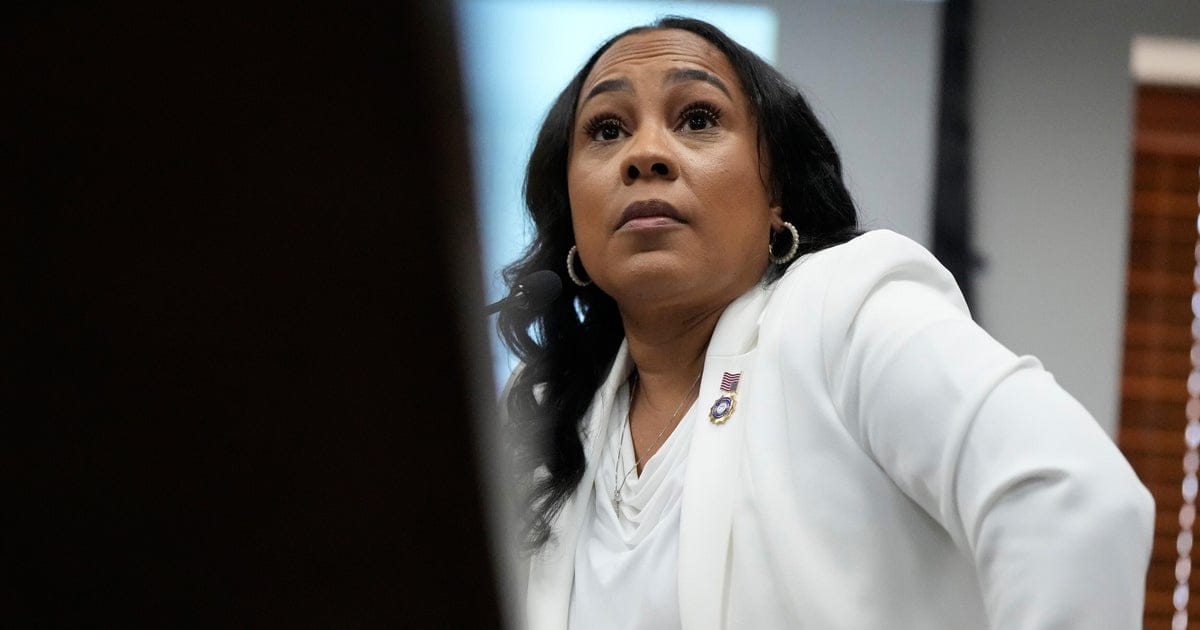
Metro Atlanta district attorneys are creating a stir over House Bill 369, a proposed Georgia law that would eliminate party labels for certain county elections, arguing it's unconstitutional and targeted. With the bill recently passing the Georgia Senate, prominent DA Fani Willis contends it discriminates against Black women and is a political ploy against her and her colleagues.
Fellow DA Patsy Austin-Gatson lamented that it deprives voters of essential choices, undermining electoral integrity. Critics from Clayton County voiced concerns that it would disproportionately affect minority communities, while DeKalb DA Sherry Boston threatened legal action if the bill advances.
The overarching sentiment among these prosecutors is that removing party affiliation from elections could disrupt representation and voter engagement. As the bill heads to the Georgia House, the debate continues, with potential legal battles looming if it becomes law in 2028.
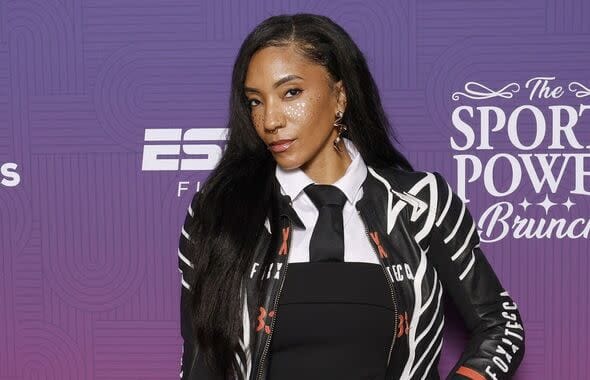
Dystany Spurlock is gearing up to make history as the first Black woman driver to compete in a NASCAR-sanctioned ARCA event, taking the wheel of the No. 66 Ford Mustang for MBM Motorsports.
Scheduled for her debut on March 28 at Hickory Motor Speedway, Spurlock is not just breaking barriers; she’s also on a mission to elevate her racing career. With a remarkable background in motorcycle drag racing, where she set a world record and won multiple titles, she now aims for the NASCAR Cup Series.
Supported by major sponsors like Foxxtecca and featured in her own docuseries, "Driven by Dystany: The Road to NASCAR," Spurlock embodies the spirit of progress in a sport previously lacking diversity. NASCAR leadership lauds her entry as a pivotal moment for inclusion and growth, paving the way for future talents in the motorsport arena.
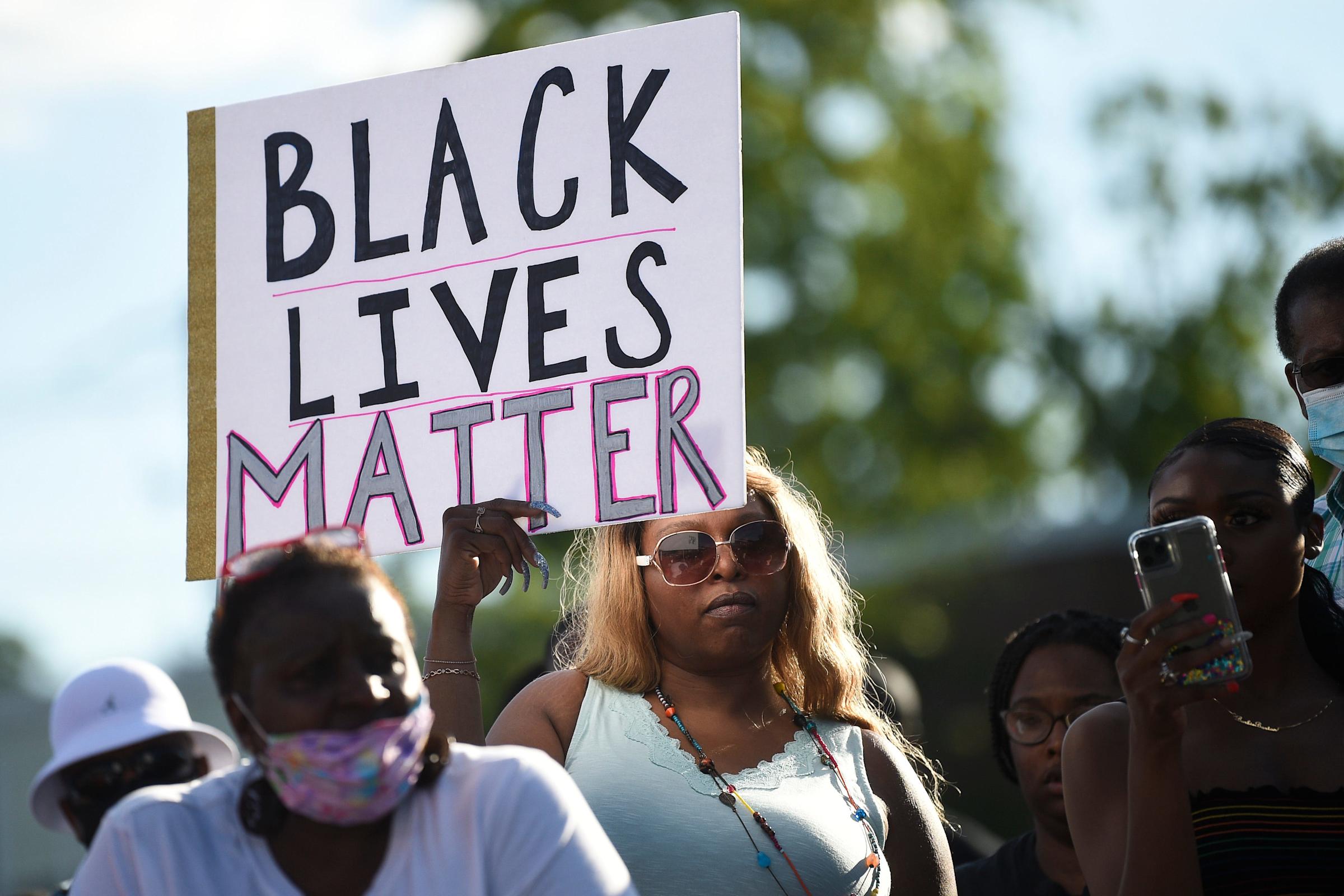
The term "woke," once a symbol of awareness about racial injustices championed by activists like Marcus Garvey in the early 20th century, has morphed into a divisive political buzzword, particularly as the 2024 elections approach. Originally empowering, “woke” now stirs up heated debates, with conservatives using it as a derogatory label for progressive movements involving LGBTQ rights, diversity initiatives, and critical race theory.
Polls reveal a split perspective among Americans: while many see "woke" as synonymous with being socially aware, a significant number criticize it as political correctness gone too far.
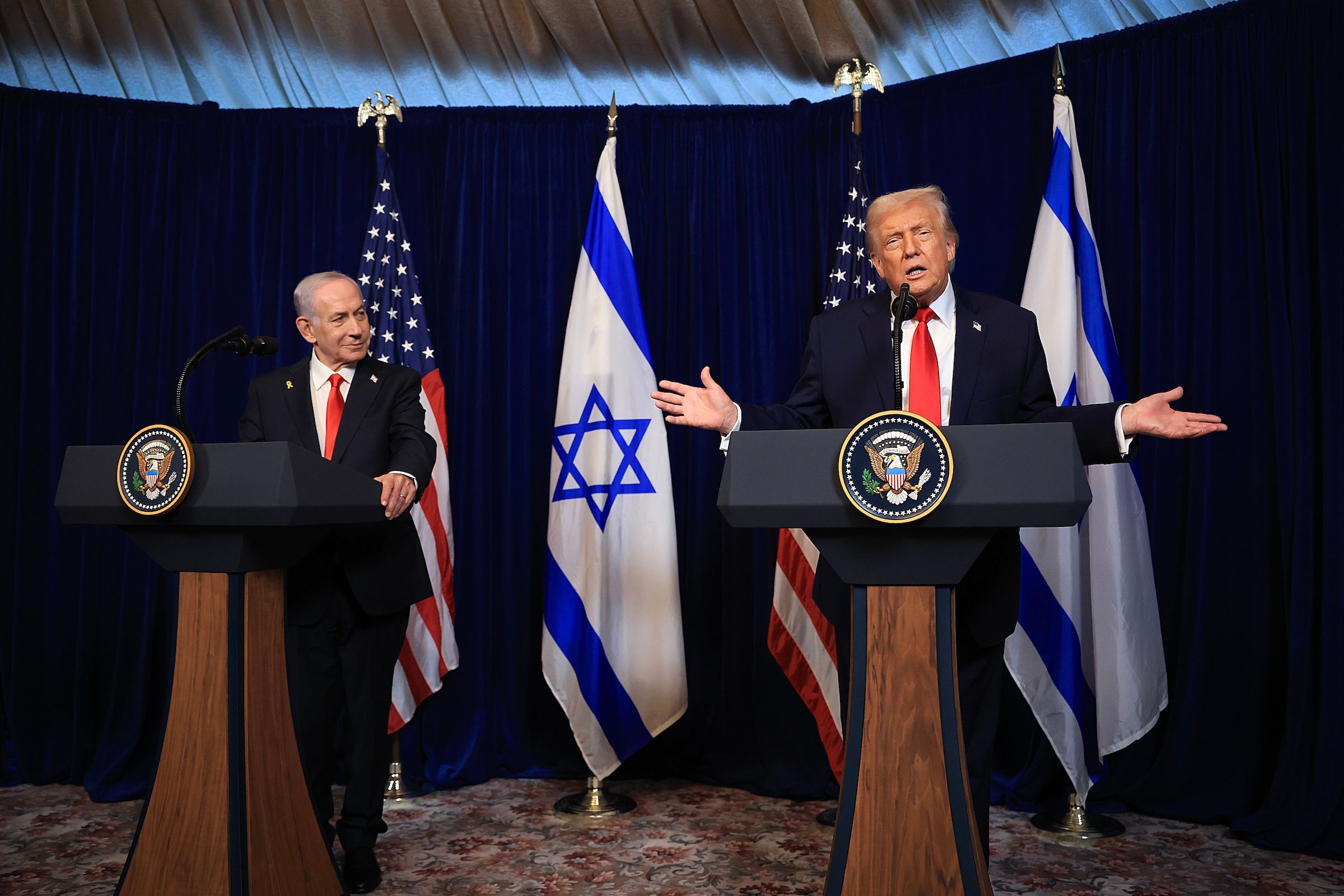
In a striking move, the U.S.
and Israel stood alongside Argentina in voting against a significant UN resolution condemning the transatlantic slave trade, which deemed it the "gravest crime against humanity." The resolution, overwhelmingly supported by 123 countries, advocates for reparations and recognizes the lasting horrors of slavery, colonialism, and their modern implications.
U.S.
ambassador Dan Negrea argued that since slavery was not illegal under international law at the time, reparations were unwarranted, echoing concerns that the resolution favors specific agendas. This historic vote, championed by Ghana, highlights the stark divide in global perspectives on addressing the atrocities of the past and their consequences today.
As the conversation around reparative justice grows, this dissenting vote has sparked outrage and reflection on the legacy of slavery and its continued impact on society.
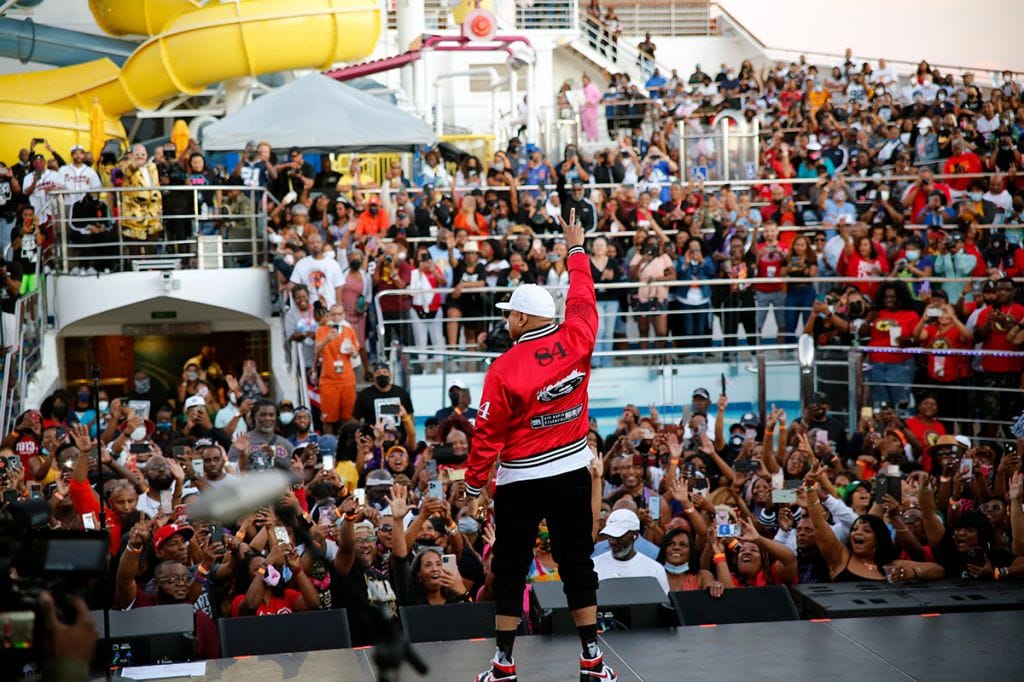
Mark your calendars for 2026, as this year’s lineup of Black festivals and events promises to celebrate culture, creativity, and community like never before! From the vibrant streets of New Orleans at the Essence Festival to the breathtaking beaches of Curaçao during the Soul Beach Music Festival, there’s something for everyone. Don’t miss the American Black Film Festival, featuring the incredible Regina King as ambassador, or the Roots Picnic, headlined by legends like Jay-Z and Erykah Badu.
Dive into next-level culinary experiences at the Black Food & Wine Experience in Napa Valley, or embrace empowerment at CurlFest in New York. For tech enthusiasts, AfroTech in Houston will spotlight the future of Black innovation.
Whether it’s music, film, food, or networking, 2026 is packed with opportunities to celebrate and uplift Black voices.
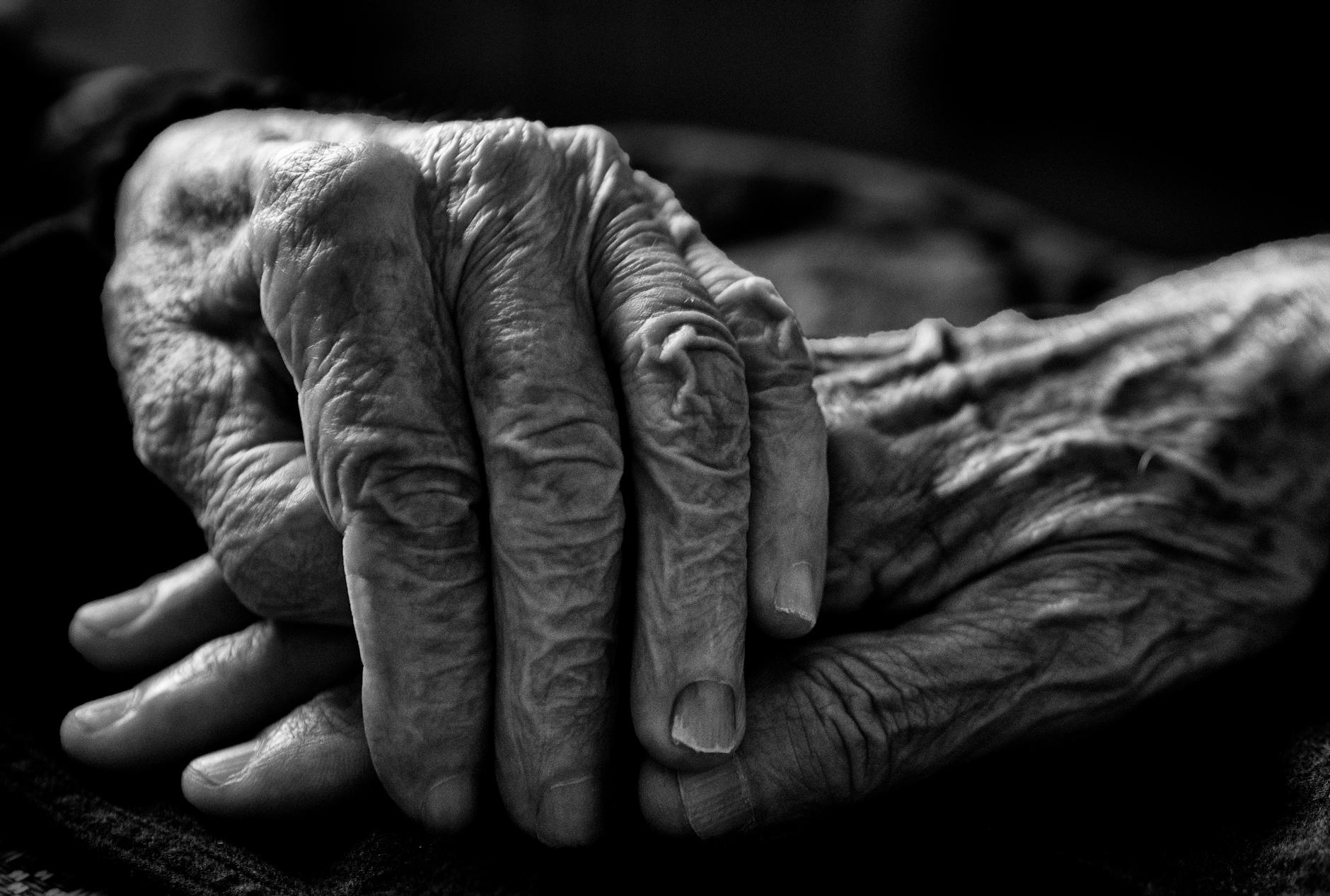
The SAVE America Act could jeopardize voting rights for Black elders lacking birth records, a significant issue rooted in historical practices from the Jim Crow era. Many Black Americans, particularly those born in the 1940s without formal documentation due to home births and segregated health systems, face new barriers if the Act, requiring proof of citizenship like birth certificates or passports, becomes law.
With about 21 million Americans lacking this documentation, advocates warn that it disproportionately impacts Black communities, creating a modern-day poll tax of time and cost. Voter registration, typically community-focused, could shift towards cumbersome government processes, sidelining those least equipped to navigate the changes.
The bill’s proponents claim it's about securing elections; however, critics highlight that noncitizen voting is extremely rare. Grassroots efforts are underway to safeguard voting rights, aiming to ensure access for everyone, especially the historically disenfranchised.
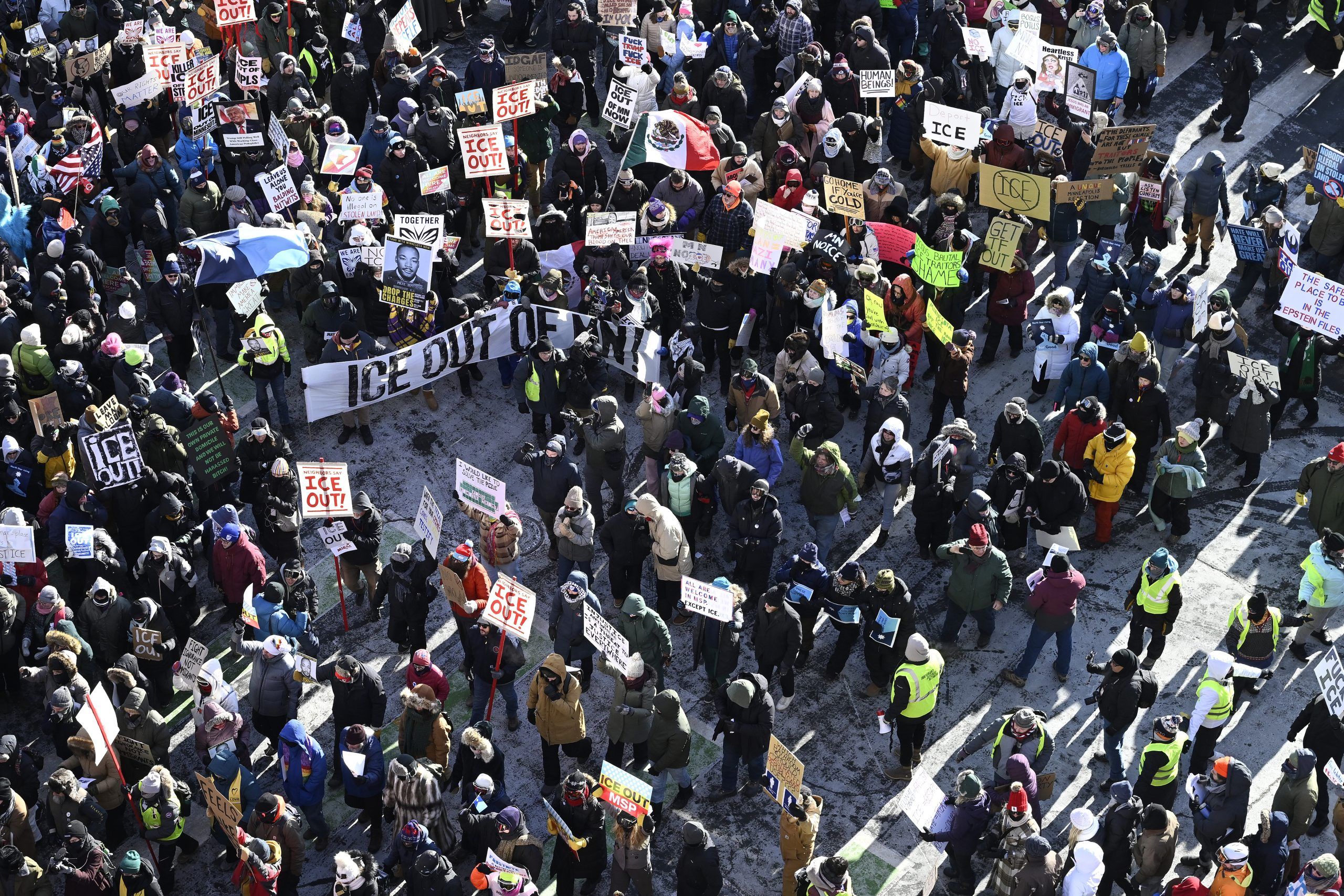
The latest PRRI report reveals shifting sentiments in America regarding immigration enforcement under the second Trump administration. As Trump's favorability dips notably—only 35% of Americans view his immigration policies positively—support for ICE takes a hit, with just one-third of the population expressing favorable views.
This decline spans various demographics, highlighting deepening partisan divides: while a significant majority of Republicans support ICE funding, Democrats and independents largely oppose it. Alarmingly, perceptions of immigrant rights reveal stark contrasts; only a fraction believe immigrants should have due process in deportation cases.
Amidst growing concern over civil liberties, two-thirds of Americans feel less safe due to ICE's presence in neighborhoods. Overall, while some align with hardline policies, many advocate for refugee support and recognize the contributions newcomers make to society.
The report underscores an evolving dialogue around immigration, civil liberties, and national identity as America grapples with its complex societal fabric.