- BlackVoter.Org
- Posts
- BlackVoter.Org
BlackVoter.Org

BlackVoter.org
March 12, 2026

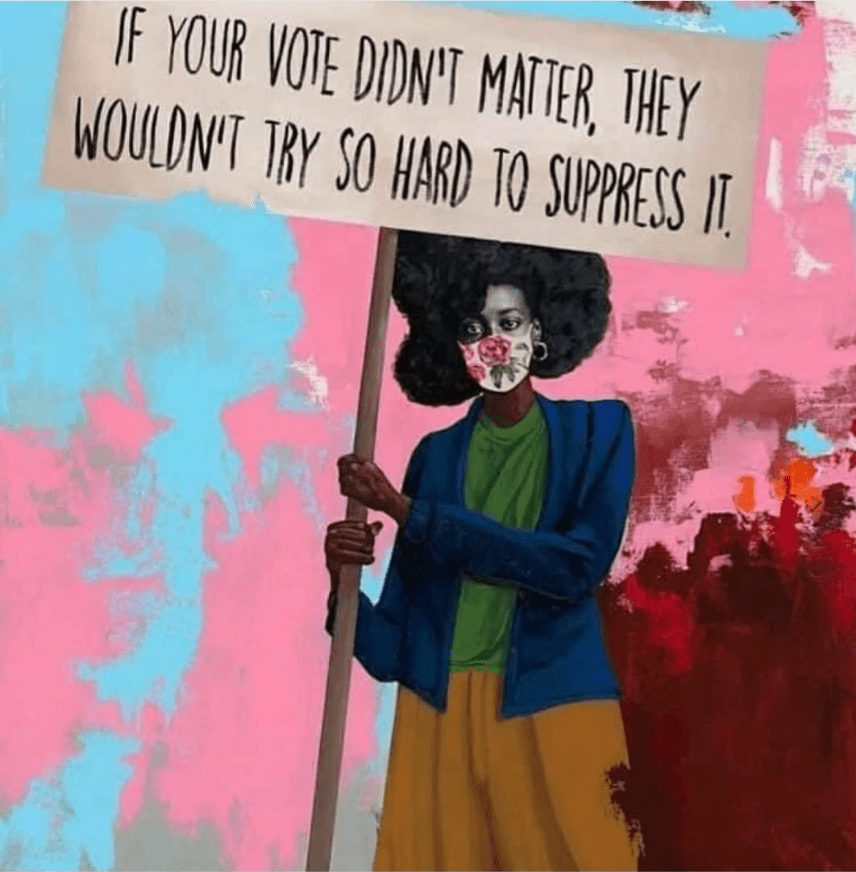
In anticipation of the 2026 elections, concerns are mounting over potential voter suppression tactics that may arise from the Trump administration's plans. Activists from Hope Springs from Field PAC are on high alert, mobilizing efforts to ensure fair voting practices amidst Trump's rhetoric of “nationalizing” elections and his controversial claims of electoral fraud.
Their grassroots initiatives include canvassing historically marginalized communities, establishing voter protection tables, and collecting Incident Reports that document voter intimidation. The group is dedicated to pushing back against Republican efforts to manipulate voting procedures and keep voters informed about their rights.
As tensions rise, Hope Springs emphasizes collaboration with local attorneys and civil rights groups to safeguard the electoral process. With proactive measures underway, they're calling for community support to bolster their mission of empowering voters and preserving democracy in the face of challenges ahead.
In Virginia, a controversial series of mailers linked to MAGA causes has sparked outrage by misleadingly targeting Black voters. These ads, which attempt to sway opinions against a crucial ballot measure by evoking the painful history of Jim Crow and the Civil Rights Movement, claim that current efforts are aimed at silencing Black voices.
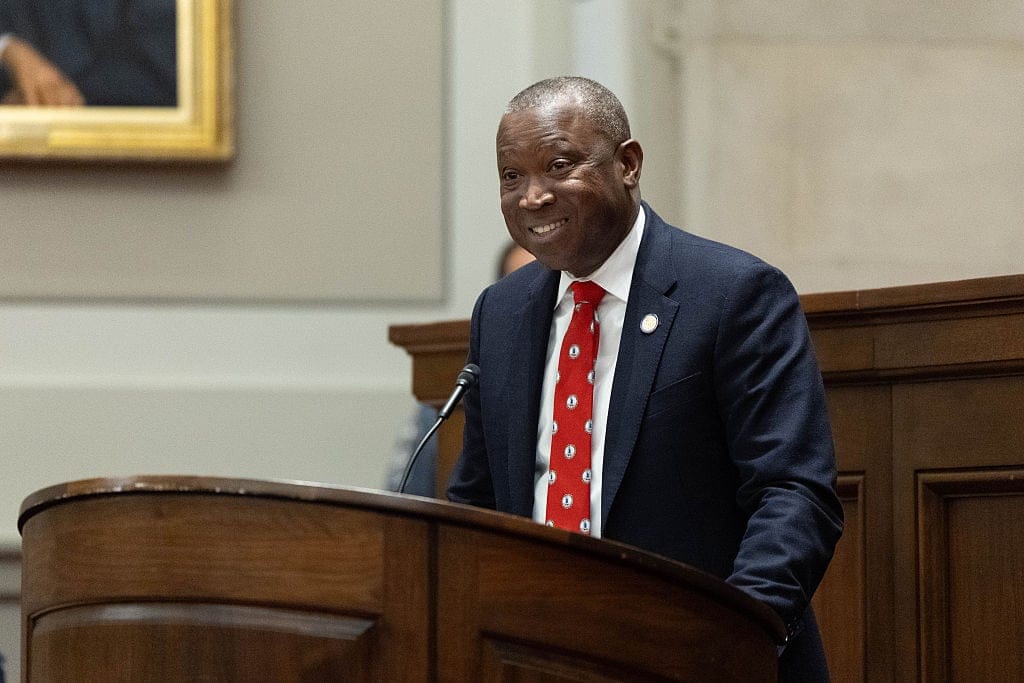
Featuring haunting images of brutality from that era, the mailers have drawn sharp condemnation from local leaders, including Virginia House Speaker Don Scott, who expressed deep anger at the exploitation of historical injustices for political gain. He and others argue that these tactics not only distort history but also discredit the sacrifices made by those who fought for voting rights.
As Virginia prepares for its referendum vote on April 21, the stakes are higher than ever, with accusations of manipulation aimed at preserving Republican power in upcoming midterm elections intensifying.
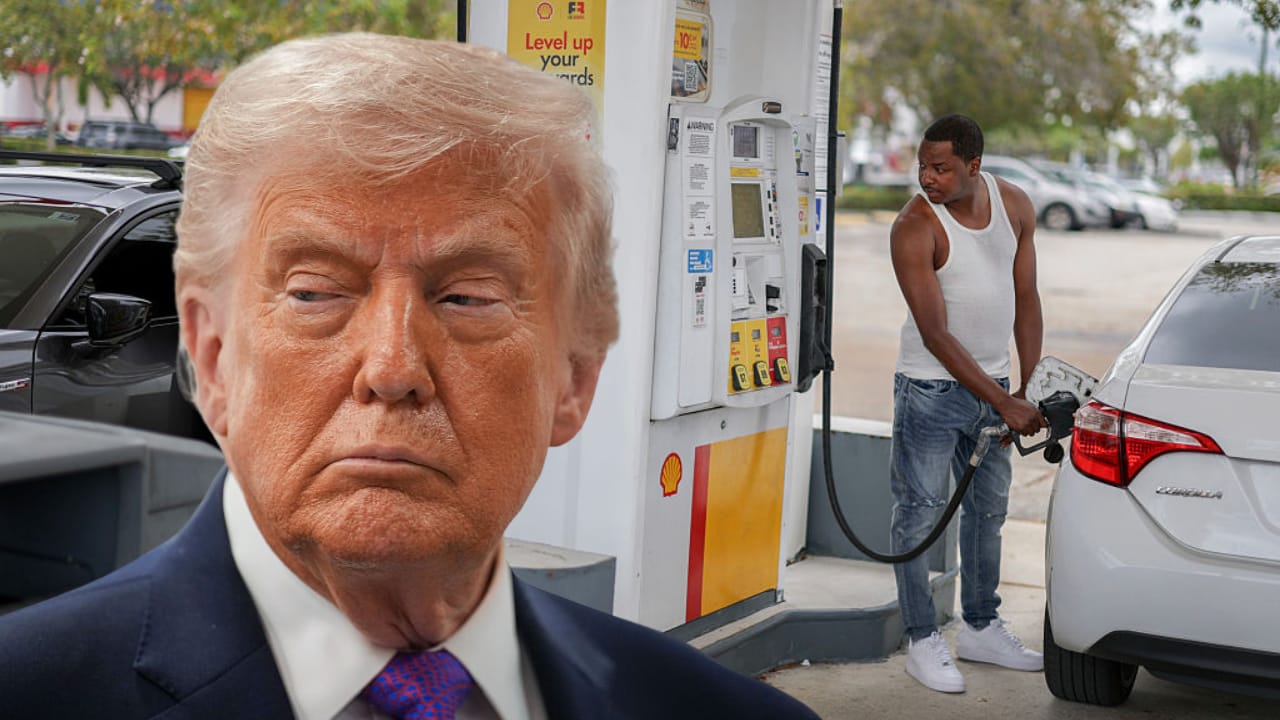
Rising gas prices are becoming a political thorn for former President Trump, especially as they hit Black Americans hardest. Following U.
S. military actions in Iran that have constrained oil access, average gas prices have surged to $3.
58 a gallon, exacerbating financial strain for families already grappling with high unemployment and low wages. Critics like Pennsylvania's Lieutenant Governor Austin Davis argue that Trump’s dismissal of rising costs as a temporary issue doesn't resonate with voters facing hard choices every day—like fueling their cars or buying groceries.
With midterm elections looming, the economic pain felt at the pump could sway public sentiment against Trump and the Republican Party. As frustrations mount over affordability, civil rights leaders warn that Trump is failing to address the concerns affecting everyday Americans.
The outcome of the upcoming elections may hinge on these discontented voters ready to make their voices heard.
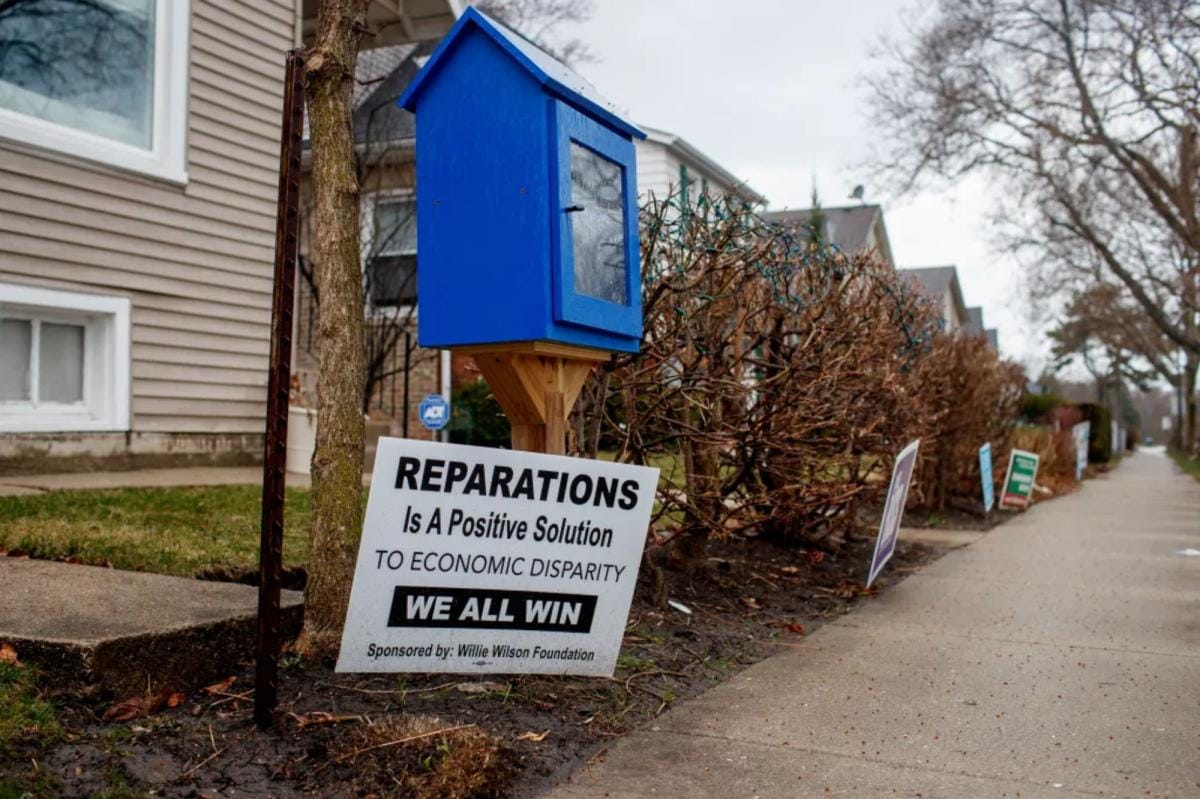
Evanston, Illinois, is making history by becoming the first city in the U.S.
to distribute reparations, allocating $25,000 to 44 Black residents as part of a groundbreaking initiative. This reparations program, originally established in 2019, aims to address historical injustices and assist Black residents and their descendants who lived in the city between 1919 and 1969.
With a total commitment of $10 million over a decade, the city plans to cover housing expenses for those affected. Despite challenges, including a lawsuit claiming racial discrimination in eligibility requirements, Evanston continues to explore funding sources, including taxes on cannabis sales.
As the program sets a precedent, it fuels a broader conversation about reparations across the nation, signaling growing recognition of the need for restitution and support for marginalized communities echoing through state legislatures and activist circles. The excitement is palpable as residents receive news about their payments, marking a significant step toward acknowledgement and healing.

At a recent rally in Kentucky, former President Donald Trump launched a series of sharp critiques against Barack Obama while admitting there was one thing he respected about him—the way he navigated Air Force One stairs. Trump skewered Obama’s Iran nuclear deal and his comments at Rev.
Jesse Jackson's funeral, implying that the former president’s remarks were politically motivated and unwelcome. Despite highlighting this minor admiration, the crowd was treated to a cascade of jabs, including a warning about returning to “weak” leadership post-Trump.
Reflecting on Obama’s controversial and tense history with civil rights leaders, Trump claimed, “The only thing I admired about Barack Hussein Obama, which was nothing,” ending with a sneering reference to Obama’s infamous “bob” down the plane steps. As always, Trump’s blend of emotion and digs keeps his supporters engaged and riled up.

A groundbreaking report reveals that Black men have the lowest life expectancy of any racial group in Boston, hitting an average of just 71.8 years—nearly a decade shorter than their counterparts.
The alarming data, released by the Boston Public Health Commission, underscores that unintentional overdoses, heart disease, and cancer are leading causes of death for Black men, contributing to health disparities that, if unaddressed, will persist through 2035. In light of this, city officials are mobilizing with an urgent $2 million investment aimed at improving health outcomes through community initiatives, including a partnership with the Dana-Farber Cancer Institute.
The upcoming Black Men’s Health Activation Summit will gather local leaders to strategize on these critical issues. Mayor Michelle Wu emphasizes the city's commitment to tackling these inequities, ensuring that every resident gets a fair chance at a thriving, healthy life.

Municipal elections across Florida are shedding light on the upcoming St. Petersburg mayoral race, presenting potential warnings for incumbent Ken Welch.
Recent local contests revealed voter frustration with issues such as hurricane recovery and permitting delays, echoing challenges Welch has faced following recent storms. The notable defeat of St.
Pete Beach’s Mayor Adrian Petrila, who struggled after Hurricane Helene, illustrates how unpopular decisions can impact elections. Similarly, in Boca Raton, strong opposition to development proposals signals a growing voter sentiment that could resonate in St.
Pete, where Welch has also pushed for redevelopment at the Historic Gas Plant site. Facing a competitive field that includes City Council member Brandi Gabbard and potential contender Charlie Crist, Welch’s path to re-election could be rocky, particularly given his current funding challenges.
With palpable voter discontent, it remains to be seen how the dynamics will unfold as the campaign heats up.