- BlackVoter.Org
- Posts
- BlackVoter.Org
BlackVoter.Org

BlackVoter.org
April 22, 2026

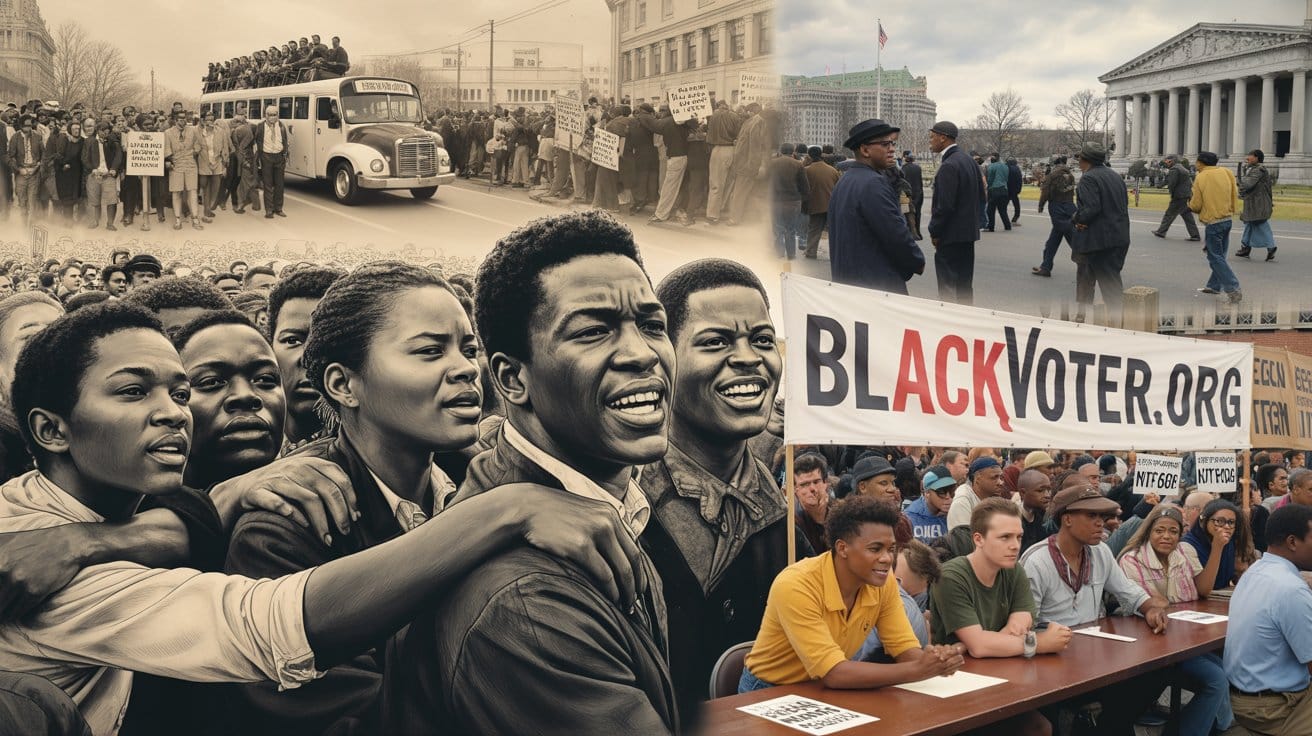
The SAVE Act, labeled "the most restrictive voting bill ever passed by Congress," aims to secure the GOP's future by enforcing stringent voting regulations, according to critics like Michael Waldman. This controversial legislation compels voters to provide documentary proof of citizenship—potentially disenfranchising over 21 million Americans, particularly affecting marginalized groups.
By mandating voter purges every month, diminishing mail and online registration options, and implementing an intimidating national voter ID requirement, advocates argue the Act prioritizes party interests over democratic access. With roots tied to a long history of voter suppression, the SAVE Act could serve as a significant barrier for many voters, raising alarms about its implications for fair elections in the U.
S. Critics stress that instead of safeguarding votes, this legislation threatens to eliminate them, reflecting a broader trend in Republican efforts that target disenfranchisement under the guise of election security.

In a thought-provoking piece, Matthew Yglesias argues that Israel's declining support among Democrats is tied to its behavior since 2009, particularly under Prime Minister Benjamin Netanyahu. He suggests that while Netanyahu is polarizing, the broader attitude towards Palestinians is a significant concern for many American liberal Zionists.
The author proposes that a shift in Israeli diplomacy and leadership could improve perceptions, though it's crucial to address the ongoing rule over non-citizen populations. Yglesias criticizes the aggressive defensive stance taken by some pro-Israel advocates, likening it to counterproductive identity politics.
He underscores the importance of engaging with persuadable audiences rather than resorting to hostility, suggesting that addressing concerns and fostering understanding could help rebuild support for Israel. By encouraging a more proactive and empathetic approach, Yglesias believes that Israel can better navigate its complex political landscape.

In "Breathing While Black: The Sleep Crisis Hiding in Plain Sight," Dr. Derek H.
Suite sheds light on a troubling reality: nearly 25% of Black Americans suffer from sleep apnea, yet 95% remain undiagnosed. Through poignant patient stories, Suite reveals how many Black men and women endure chronic fatigue, often attributing it to stress or age while overlooking a dangerous sleep condition.
Studies show that Black men, in particular, experience rising sleep apnea mortality rates, with serious health implications that often go unaddressed. The article highlights systemic failures in healthcare, emphasizing that traditional assumptions about body size and lifestyle neglect the complexities of sleep apnea, which can affect anyone.
Suite urges readers to advocate for themselves by discussing sleep health with their doctors, encouraging early diagnosis and treatment. This vital conversation not only aims to improve lives but could also save them, making awareness about sleep apnea crucial for the Black community.

Gif by IntoAction on Giphy

Recent tragic domestic violence incidents involving Black families in Louisiana and Virginia have ignited urgent calls for enhanced prevention resources in Black communities. These heartbreaking cases highlight alarming statistics: over 40% of Black women experience intimate partner violence, outpacing their counterparts in other racial groups.
Advocates emphasize systemic disparities in access to mental health care and domestic violence resources, which leave many vulnerable. Past traumas, like generational gun violence, compound these issues, making it critical to address the root causes of such violence.
Experts underline that mental health crises can complicate these situations but stress that they should not serve as excuses for abusive behavior. Ultimately, the focus is on fostering a supportive environment and dismantling the societal barriers that perpetuate violence against women and children.
The conversation continues, as communities rally for change, aiming to break the cycle and create safer spaces for all.

Obama: Democrats Face Tougher Governance Challenges Than Republicans in Today's Political Landscape!
In a recent podcast, former President Barack Obama articulated that Democrats face more formidable governing challenges compared to Republicans. He emphasized that while Democrats strive to leverage government as a force for good—creating jobs and ensuring educational equity—Republicans often find it simpler to dismantle existing structures.
Obama pointed out the complexities involved in building consensus and passing meaningful legislation, referencing the hurdles of the Senate filibuster as a major impediment. He explained that this creates a perception of government inefficacy, paving the way for figures like Donald Trump.
While advocating for principled governance, Obama urged Democrats to be proactive in breaking down obstacles that hinder progress, rather than clinging to outdated traditions. His candid remarks highlight the need for a fresh approach as the political landscape continues to evolve.
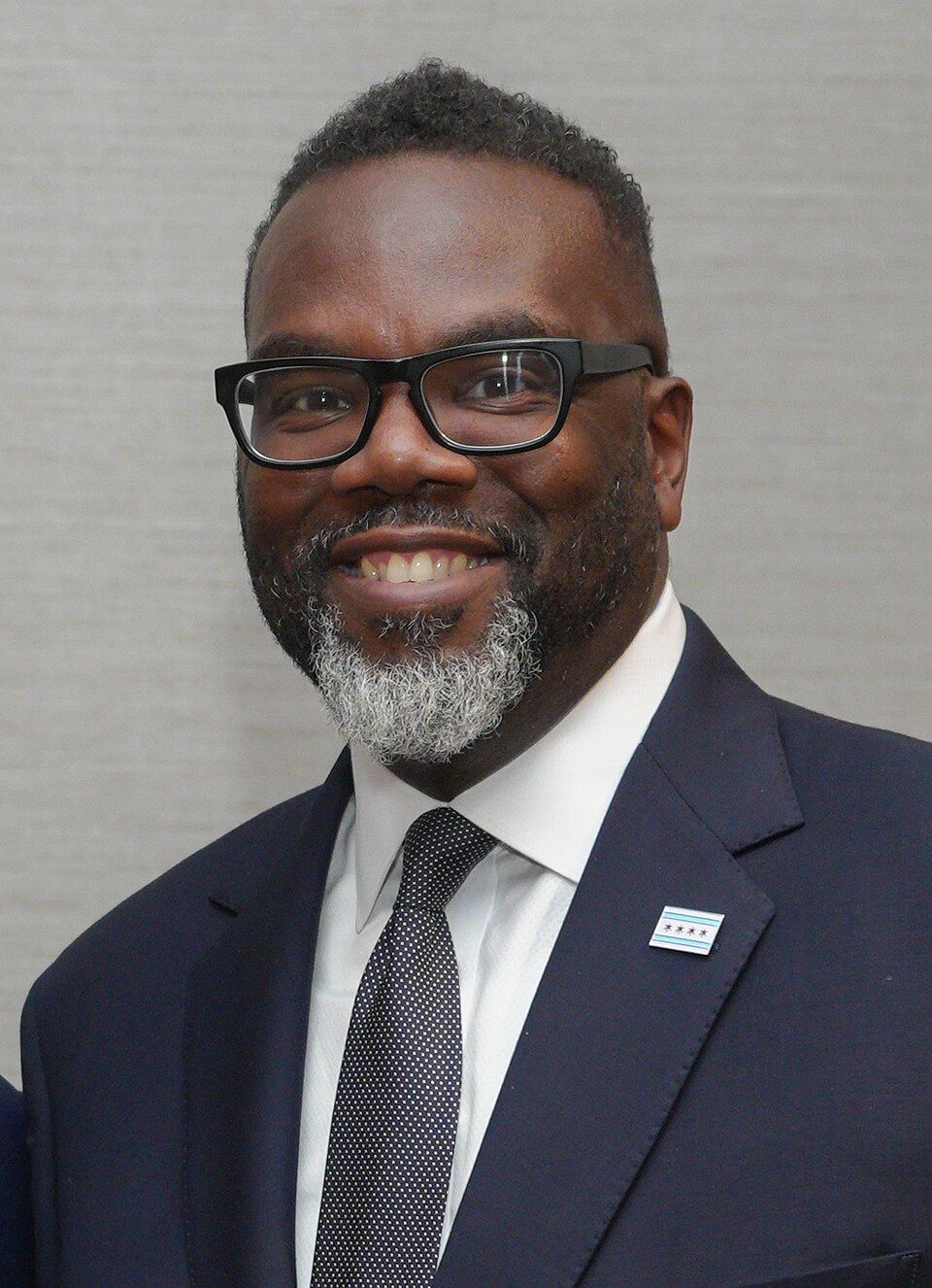
In a bold move, Chicago's Public Schools are set to subsidize May Day protests led by teachers, igniting a debate over the role of civic engagement in education. The Chicago Teachers Union argues that experiencing activism firsthand is essential for teaching students about civic action, even as many parents express concern over the impact on their children's education.
With proficiency levels lagging—only two out of five students read at grade level—critics question whether promoting political activism is the best use of school resources. Teachers will be able to skip class without repercussions to engage in protests, raising eyebrows about the balance of education and political advocacy.
While Mayor Johnson applauds this collaboration as a celebration of civic history, critics warn that prioritizing protests over academics could deepen the educational crisis. This incident highlights the increasing intertwining of politics and education, challenging traditional views on teaching priorities.
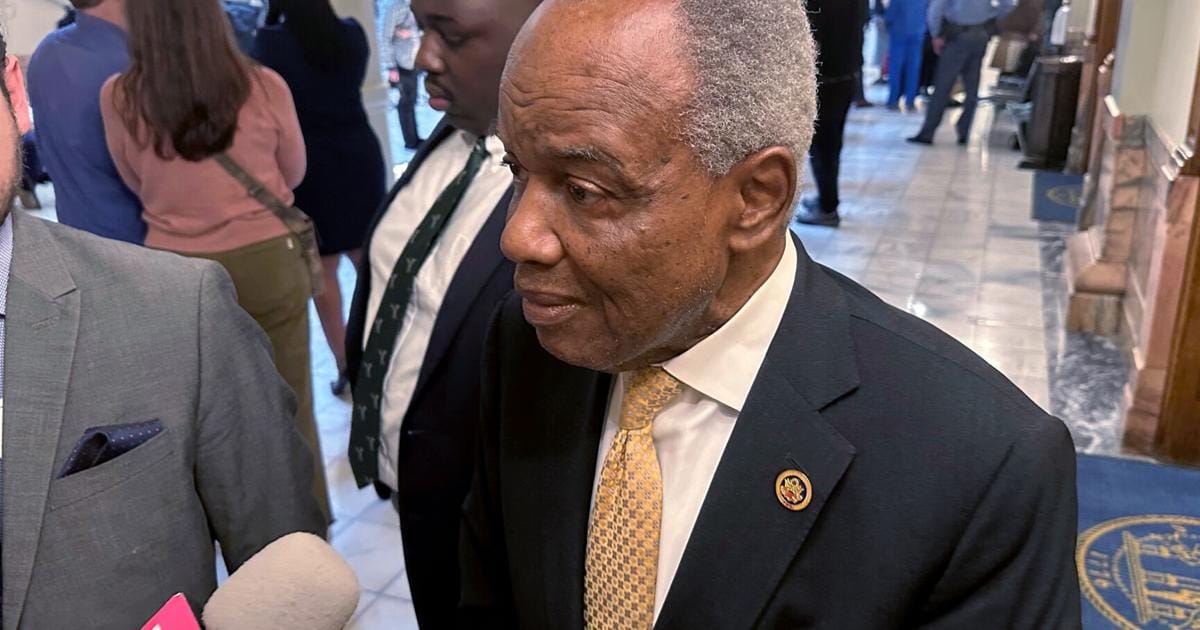
Rep. David Scott, a dedicated Democrat from Georgia, has passed away at the age of 80.
Famous for being the first Black chairman of the House Agriculture Committee, Scott was a prominent voice for agricultural policies and food aid, serving in Congress for nearly two decades. His long journey in politics included attempts to secure his 13th term despite health challenges and intra-party criticism.
Known for his moderate stance as a member of the Blue Dog caucus, Scott’s leadership and commitment to his community left a lasting impact. As tributes pour in, he is remembered not just for his political achievements but for his unwavering dedication to the people he served throughout his career.
His legacy as a trailblazer in Congress will resonate for years to come.