- BlackVoter.Org
- Posts
- BlackVoter.Org
BlackVoter.Org

BlackVoter.org
February 23, 2026


This week in higher education highlights significant grants and gifts aimed at benefiting African Americans and historically Black colleges and universities (HBCUs). Key developments include a grant from AccessLex Institute to Wake Forest University's School of Law, which will enhance legal access for North Carolina students partnering with two HBCUs.
Xavier University of Louisiana's medical school received a $1.75 million grant from the Robert Wood Johnson Foundation for its accreditation efforts.
Tuskegee University was uplifted by a $340,000 donation from alumnus Bill Winston, contributing to its ongoing fundraising campaign. Additionally, Prairie View A&M University secured nearly $500,000 from the National Cancer Institute for a new certificate in computational genomics.
Elizabeth City State University also received generous anonymous gifts and a grant to support its radio station, reinforcing its commitment to broadcasting and student learning. These investments reflect a growing commitment to uplifting African American education and innovation.
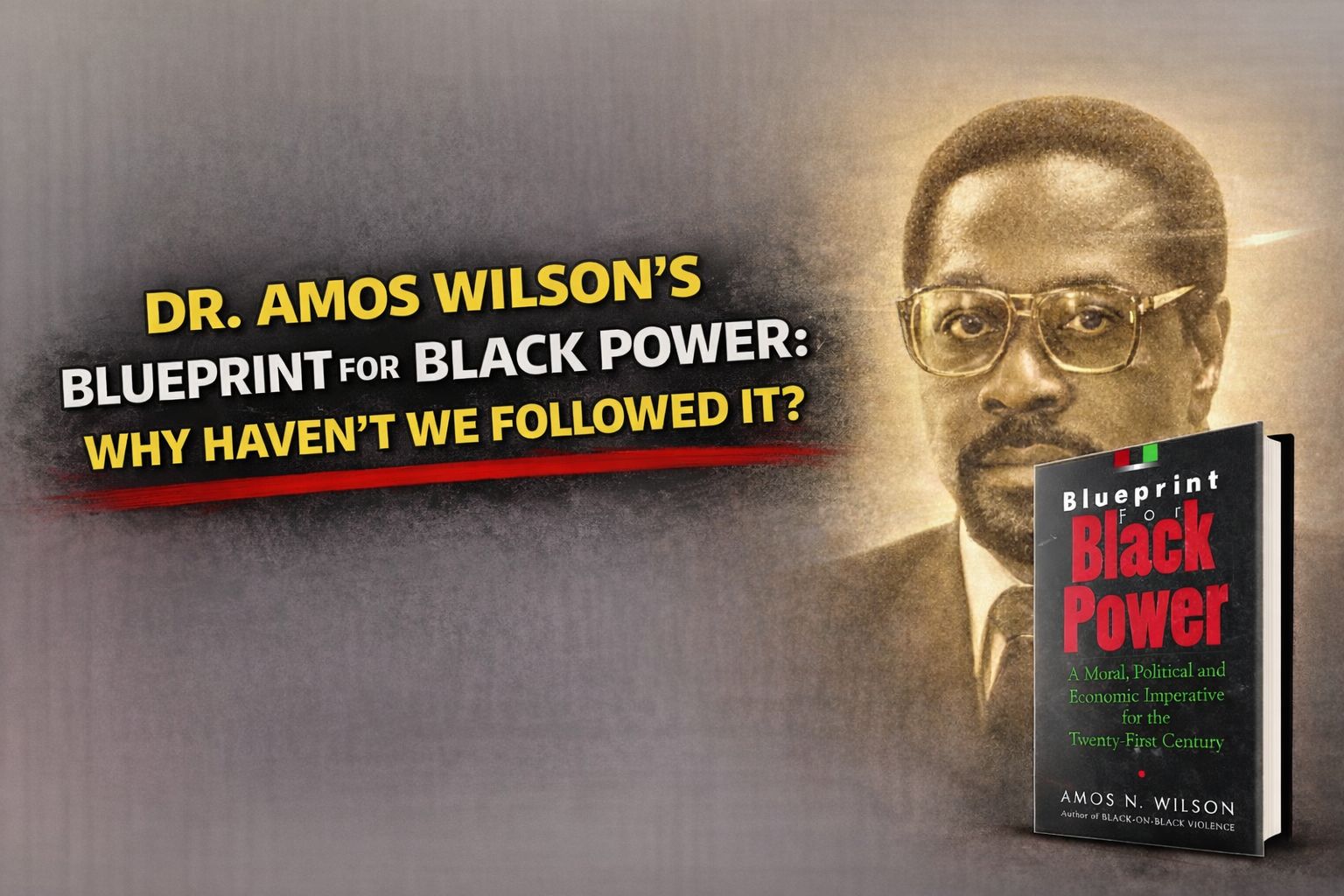
In "Black Power Is Not A Feeling," Damon K. Jones explores the profound insights of Dr.
Amos Wilson, reminding us that true progress in Black politics must focus on power, not just representation. Wilson argued that Black Americans are often trapped in a cycle of consumption without ownership, leading to economic exploitation despite their substantial spending power.
He emphasized that real change requires not just voices but control over institutions and resources. Modern politics tends to celebrate moral victories while neglecting the essential need for community building and economic coherence.
Wilson's call to action is clear: unity in purpose, a clear understanding of historical context, and a strategic focus on ownership and legacy are crucial for genuine empowerment. As Jones eloquently articulates, without addressing these foundational issues, Black America risks perpetuating the very inequalities it seeks to dismantle, transforming rhetoric into mere symbolism.

Gerard Hudspeth, the current mayor of Denton, is shifting gears in his political career as he vies for the GOP nomination to represent Denton County Precinct 4. After announcing his candidacy last March, Hudspeth has positioned himself as a defender against what he terms the "woke agenda" and has focused on supporting growth and development in Denton.
As early voting begins, he faces stiff competition from three other Republican candidates, including incumbent Dianne Edmondson. With the intriguing backdrop of past controversy surrounding potential conflicts of interest in his mayoral role, Hudspeth's campaign highlights a commitment to transparency and community service.

Rep. Jasmine Crockett’s unconventional Senate campaign is shaking up Texas politics as she boldly steps away from traditional strategies ahead of the Democratic primary.
Known for her fiery and unfiltered persona, Crockett is determined to reignite the party's base by directly engaging with voters in casual settings like bars and community events, rather than relying on standard campaign tactics. While some challenge her electability, she pushes back against claims that undermine her potential, advocating for a focus on energizing younger and minority voters.
With significant fundraising gaps against rival James Talarico, Crockett’s grassroots movement and high name recognition could give her an edge. As Crockett seeks to redefine the electoral narrative, she embodies a refreshing, assertive approach that aims to mobilize a traditionally non-voting demographic, asserting that "sometimes you got to get in the mud with the pigs" to inspire real change in Texas politics.
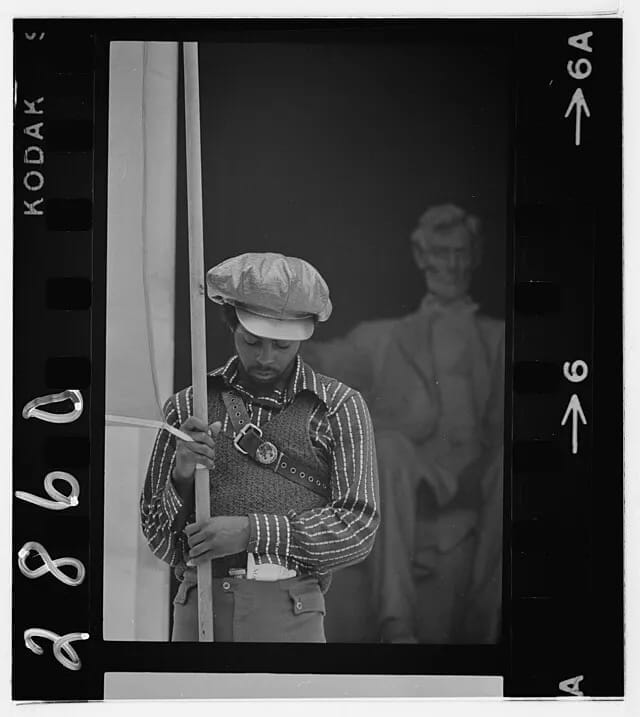
In "How Federal Government Disrupted Work of Black Power Movement," Dr. Allison Wiltz explores the concerted efforts by the FBI and U.
S. government to dismantle the Black power movement during the 1960s.
Born out of necessity, this movement sought to empower Black communities amid rampant systemic racism and oppression. Leaders like Kwame Ture and Fred Hampton championed self-determination, yet faced relentless surveillance and disruption from federal agents.
COINTELPRO, an infamous counterintelligence program, not only targeted organizations like the Black Panther Party but also aimed to sow division and discredit influential figures by portraying them as “Black extremists.” Through espionage, misinformation, and even violence, the government sought to thwart unity among Black activists.
Despite these efforts, the movement symbolized resilience and hope, underscoring a historical struggle for dignity and justice in the face of oppression. The article reminds us that the fight for equality often meets fierce resistance but continues to inspire generations.
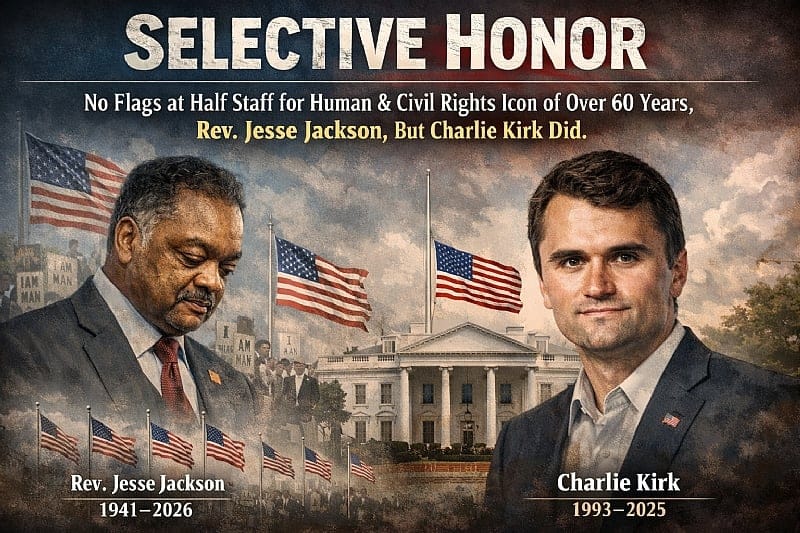
In a poignant reflection on American values, Edmond W. Davis highlights the stark contrast in memorial honors for two influential figures: Charlie Kirk and Reverend Jesse Jackson.
Following Kirk's death, flags flew at half-staff, marking respect for a divisive political voice who often disregarded civil rights leaders like Jackson. In striking contrast, Jackson—a civil rights titan and global advocate for human dignity—passed away without national acknowledgment or lowered flags.
Davis argues that this disparity reveals a troubling prioritization in American culture: valuing partisan noise over genuine service. He reminds us that Jackson's legacy extends beyond civil rights, encompassing human rights on a global scale, and questions what messages these honors send to future generations.
Ultimately, he calls on the president to lower the flags for Jackson, not merely as a gesture of respect, but as an essential act of justice and acknowledgment of true moral leadership in America.

In a heartfelt tribute, Barack and Michelle Obama mourned the loss of civil rights legend Rev. Jesse Jackson, who passed away at 84.
Describing him as a "true giant," Obama celebrated Jackson's relentless dedication to civil rights, voter registration, and global advocacy for freedom. Reflecting on Jackson's influence, Obama noted how Jackson's pioneering efforts laid the groundwork for his own presidential campaign and inspired countless others, including Michelle, who first witnessed political organizing at the Jacksons' kitchen table as a teenager.
The couple expressed their gratitude for Jackson's lifetime of service and the profound friendship shared between their families. Jackson's legacy, marked by his historic presidential runs and pivotal role in the civil rights movement alongside the likes of Dr.
Martin Luther King Jr., will continue to inspire future generations.
The Jackson family asked that his memory be honored through the continued fight for justice and equality.