- BlackVoter.Org
- Posts
- BlackVoter.Org
BlackVoter.Org

BlackVoter.org
November 13, 2025
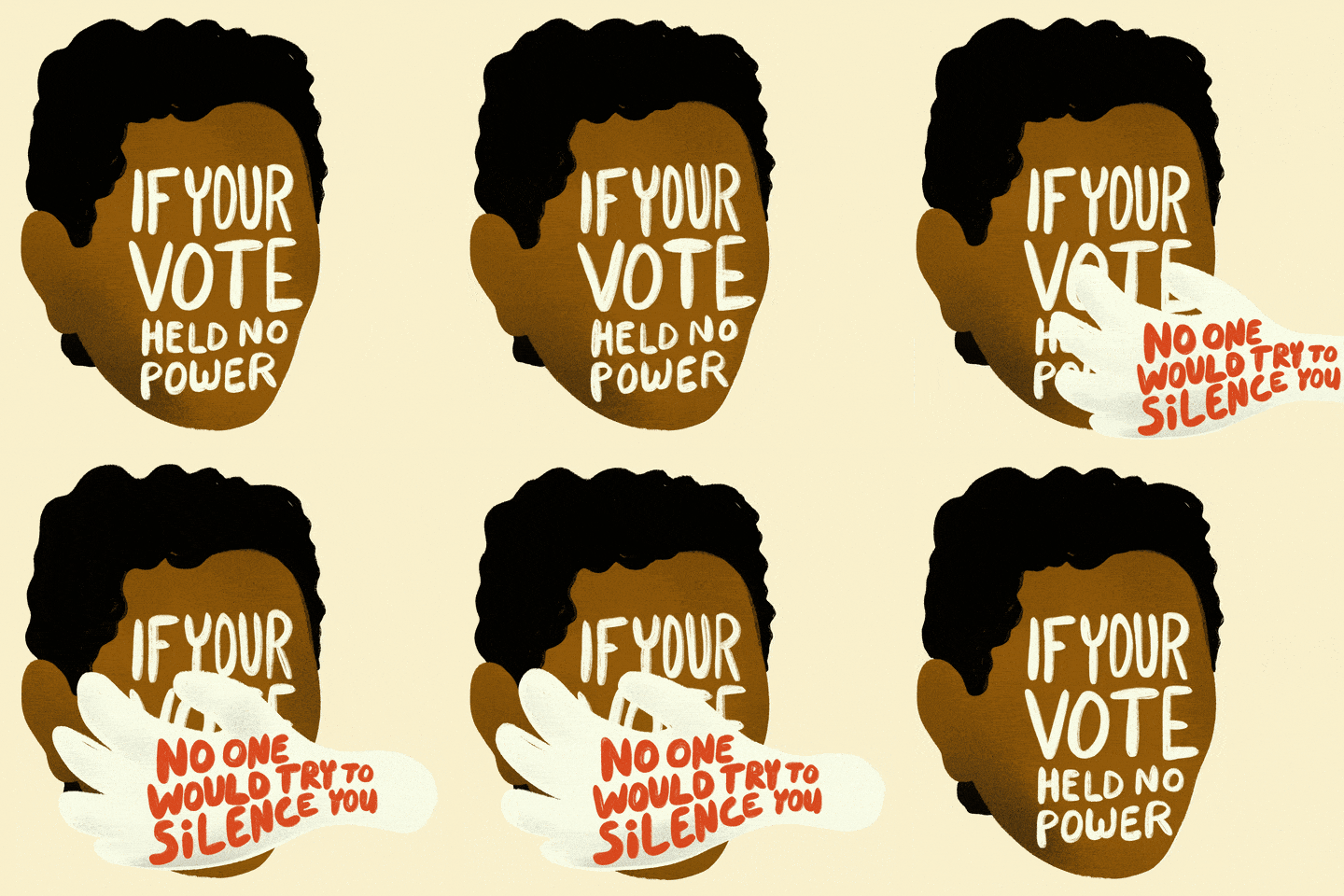
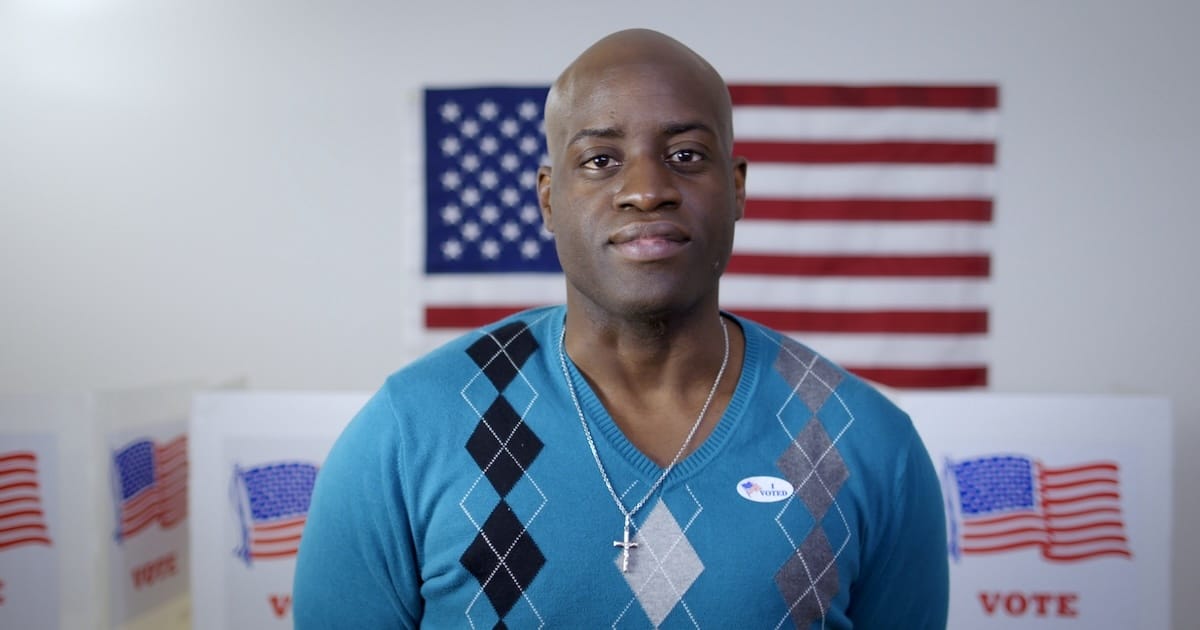
In his thought-provoking commentary, Dr. Eric Wallace draws a stark conclusion from the recent Virginia election: the Black Church’s allegiance to political identity often overshadows its commitment to biblical values.
Despite a candidate who championed Christian ethics and openly professed her faith, Black voters overwhelmingly opted for a progressive alternative whose views contradict core Christian teachings. This unexpected choice highlights a spiritual crisis within American Christianity, particularly among Black believers, where cultural solidarity trumps biblical conviction.
Dr. Wallace argues that this "divided heart" results from ideological forces like progressive identity politics and Critical Race Theory, which have subtly reshaped the Church’s priorities.
He emphasizes that silence from the pulpit on moral issues leads congregations to follow worldly wisdom rather than Scripture. To reclaim its prophetic voice, the Church must prioritize biblical authority, disciple believers holistically, and elevate Christ above culture and politics.
Ultimately, he calls for a returned commitment to the biblical values that should guide every aspect of life, including civic engagement.


In a groundbreaking moment for Detroit and America, Mary Sheffield has been elected as the city’s first Black woman mayor, marking a historic milestone that shatters 324 years of tradition. Sheffield’s victory is not just a personal achievement; it symbolizes a broader transformation in urban leadership, as Black women mayors across the nation redefine governance in major cities.
Known for her dedication to economic justice and community development, Sheffield has a rich history as a city council member and council president, where she championed affordable housing and youth programs.
Her election joins her with other trailblazing Black women leaders like Karen Bass in Los Angeles and Muriel Bowser in D.
C., who confront pressing issues like federal gridlock, homelessness, and public safety.
As they govern through chaotic times, these leaders demonstrate resilience and commitment, proving that representation matters. Mary Sheffield’s ascent as mayor lights the way for future leaders, reminding all of us that when Black women lead, communities can truly thrive.

Reverend Jesse Jackson, the iconic civil rights leader and protégé of Martin Luther King Jr., has been hospitalized at Northwestern Memorial Hospital in Chicago.
At the age of 84, Jackson is under observation for progressive supranuclear palsy (PSP), a rare neurological disorder he has been battling for over a decade. Initially diagnosed with Parkinson's disease, his condition evolved into PSP, which impacts movement and balance.
A leading voice for racial equality and social justice since the 1960s, Jackson gained fame for his activism, including addressing a million-strong crowd at a 2003 anti-war rally in London. He founded the Rainbow PUSH Coalition, merging his earlier initiatives to combat economic disparity within Black communities.
Over the years, Jackson has faced various health challenges, but his spirit remains resilient. His family asks for prayers during this difficult time, as Jackson continues to inspire many with his lifelong fight for justice.

In a thought-provoking episode of KPBS Midday Edition, experts discuss the looming threat to voting rights and education affirmative action as the Supreme Court evaluates a pivotal case concerning the Voting Rights Act. Section 2 of this landmark legislation, which prohibits discrimination in voting, faces a challenge that could reshape electoral maps and dilute minority representation.
Political science professor Casey Dominguez highlights how potential rulings could hinder the drawing of majority-minority districts, possibly skewing election outcomes in favor of one party.
In another segment, law professor Khiara Bridges analyzes the implications of a recent lawsuit against a UC San Diego scholarship aimed at increasing Black student enrollment.
The scholarship was rebranded under pressure from a right-leaning nonprofit, raising questions about race-neutral legal strategies that undermine efforts to redress historical injustices.
Finally, civil rights icon Harold "Hal" Brown reflects on the hard-fought battles of the past and the ongoing need for activism, urging listeners to remain vigilant in defending hard-won rights.
His insights remind us of the importance of understanding history in shaping a just future.

Fashion has long transcended mere aesthetics, serving as a powerful vehicle for political expression and social change. The article examines how clothing has been pivotal in voicing resistance and identity throughout American history.
In the 1960s and ’70s, for instance, the Black Panther Party's distinct style—crafted from leather jackets and berets—symbolized strength, pride, and a challenge to mainstream norms. The traditions of Mardi Gras Indians further illustrate fashion's cultural significance; their elaborate suits of beads and feathers pay homage to their heritage and resilience.
Moreover, the ballroom scene of the 1980s emerged as a sanctuary for LGBTQ+ individuals, particularly Black and Latinx communities. Here, fashion transformed into a form of rebellious self-expression, allowing participants to reclaim their identities amid societal pressures.
Through these narratives, the article highlights fashion’s role as a vibrant tapestry woven with stories of community, resistance, and empowerment, proving that style is not just about clothing—it's a bold statement of who we are and what we stand for.

In her thought-provoking article, "The Myths that Built America and the Truth that Must Rebuild It," Dr. Maxine Bryant explores how three foundational myths—Columbus' discovery of America, the Thanksgiving tale, and the Southern Strategy—have shaped American identity and power dynamics.
These narratives, she argues, have crafted a false narrative of heroism, innocence, and division, glorifying colonization and preserving racial inequality while obscuring the real histories of oppression and survival.
As 2025 approaches, Dr.
Bryant calls for a strategic re-telling of these stories, emphasizing the importance of genuine truth over myth. She highlights the need for narratives that honor complexity and foster a sense of belonging and justice.
The article augments her belief that “until the lion tells the story, the hunter is always the hero," underscoring a vital shift needed in American discourse—the need for truth to replace myth and rebuild the nation. Emphasizing empathy and accountability, she invites us to embrace stories that reflect our shared humanity and collective responsibility.
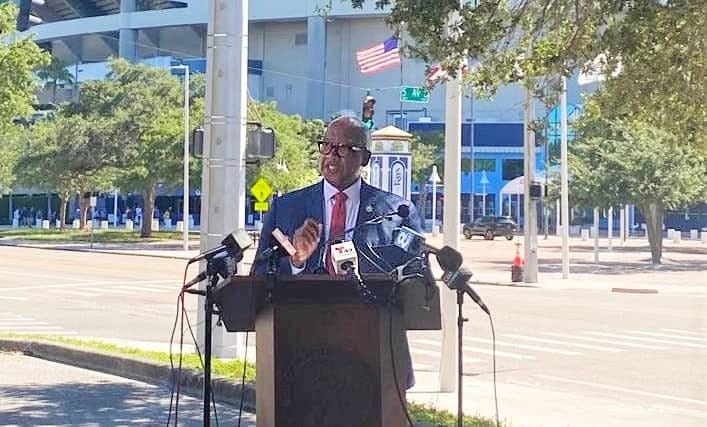
St. Petersburg Mayor Ken Welch has announced a delay in the redevelopment timeline for the Historic Gas Plant District, pushing it into 2026.
Initially set to release a public notice for redevelopment proposals on December 5, the new timeline sees the notice pushed to January 4, granting developers until February 3 to submit their ideas. This extension comes as a response to concerns from the City Council and developers who are seeking more time to refine their proposals.
Welch emphasized the city's unwavering commitment to priorities such as jobs, affordable housing, and green spaces, despite criticism for not issuing a new request for proposals (RFP). The revised plans come in the wake of a significant, unsolicited $6.
8 billion offer for the site involving residential and commercial developments. Notably, the previous ambition of incorporating a new stadium for the Tampa Bay Rays has been sidelined, providing a clearer focus for future city development efforts.
City Council discussions on the matter are anticipated at their upcoming meeting.