- BlackVoter.Org
- Posts
- BlackVoter.Org
BlackVoter.Org

BlackVoter.org
March 30, 2026

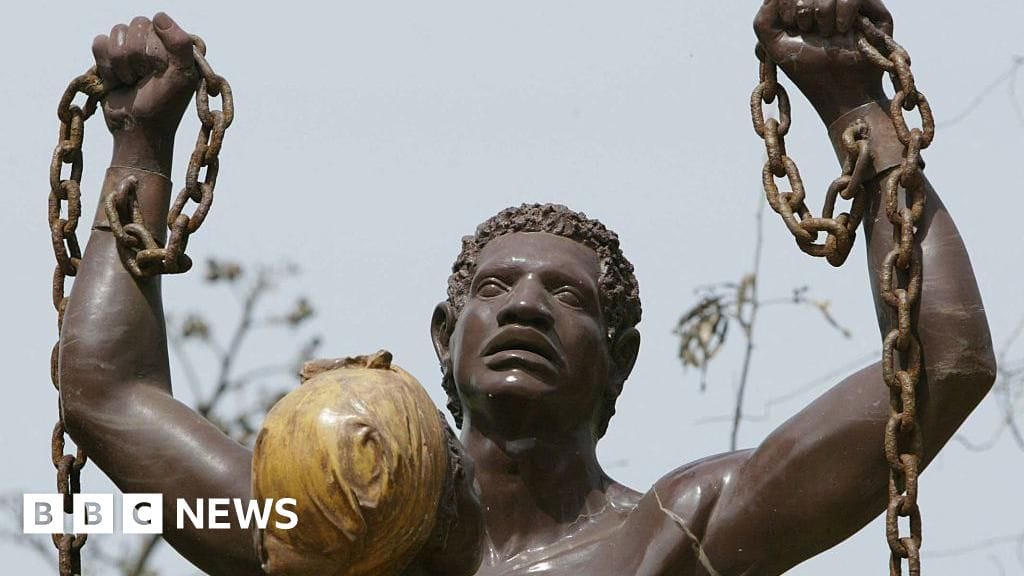
The recent UN resolution declaring the transatlantic slave trade as "the gravest crime against humanity" marks a significant milestone in acknowledging the historical injustices of slavery. With strong support from African and Caribbean nations, the resolution calls for member states to consider apologies and reparations—a topic that has been gaining traction recently, especially as some countries have begun to apologize for their roles in slavery.
While the resolution is non-binding, it sends a powerful political message that could foster broader discussions about reparative justice. Experts stress that financial compensation alone won't heal the deep-rooted wounds of slavery; comprehensive narratives, education about its legacy, and formal apologies are equally vital.
This debate has intensified amidst calls for reparations, with estimates of owed compensation reaching staggering figures. As dialogue continues, the collective aim is to confront the past and challenge enduring inequalities in our societies.

In her provocative piece for The Washington Post, Megan McArdle argues that America’s political landscape suffers from an adherence to outdated ideologies. She cites economist John Maynard Keynes’ warning about the danger of being trapped by defunct ideas, suggesting that both liberals and conservatives cling to beliefs that no longer serve contemporary challenges.
McArdle emphasizes the urgency of innovating solutions that resonate with today’s realities instead of relying on stale concepts from the past. As political leaders engage in a cyclical debate of antiquated principles, she urges a shift towards fresh perspectives that can effectively tackle modern issues.
With her insightful commentary, McArdle calls for a revival of creativity and adaptability in U.S.
politics, challenging readers to envision a future rooted in progressive thinking rather than in the remnants of yesteryear.

Are you ready to make your voice count in politics? The Bevan Foundation invites you to their online course, "Are You Being Heard? Influencing Political Decision-Making," on June 16, 2026! As Wales undergoes exciting changes in its political landscape post-Senedd election, it’s the perfect time to equip yourself with the skills needed to advocate effectively for your organization or community. This engaging session will empower you with practical tools to meaningfully interact with the Welsh government and the Senedd, and influence laws and policies that matter.
Tailored for advocates, media professionals, and anyone involved in public services, this course promises to boost your confidence and impact.

The National Newspaper Publishers Association (NNPA) has launched the exciting 2026 "Leadership Matters" video series, showcasing influential Black leaders transforming politics, healthcare, and technology. Over the next six weeks, viewers can enjoy exclusive 30-minute interviews featuring prominent figures such as Congressman Troy A.
Carter and healthcare trailblazer Dr. Yasmine Wahdan, among others.
This initiative aims to celebrate Black excellence as the nation prepares for the 250th anniversary of the United States, highlighting the critical importance of dedicated leadership. With the support of partners like Amazon and Microsoft, NNPA is committed to uplifting community journalism and empowering future generations.

The proposed SAVE Act is raising alarms about potential voter disenfranchisement, particularly among Black seniors. This GOP-backed legislation would require proof of citizenship, like a birth certificate or passport, to vote—a significant hurdle for many older Black Americans who lack such documentation due to historical disparities in healthcare access.
Many were born at home without formal records, with some relying on family Bibles for documentation. As a result, the SAVE Act could disenfranchise an estimated 21 million voting-age Black Americans.
Critics, including Senate Minority Leader Chuck Schumer, liken the act to "Jim Crow 2.0," arguing that it perpetuates systemic racism and voting barriers similar to those faced in the past.
Advocacy groups are mobilizing to counter these challenges and protect voting rights ahead of upcoming elections, stressing the importance of equitable access to the ballot box for all citizens.
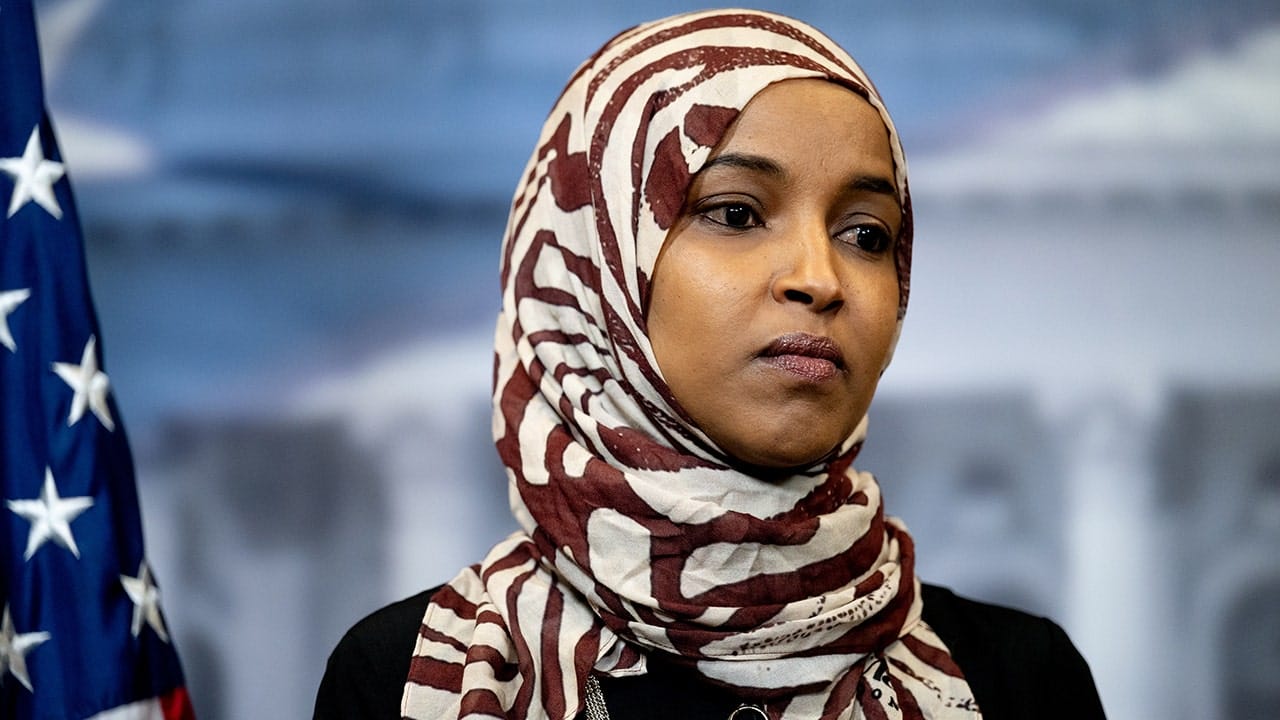
In a fiery political drama, an unofficial X account demands the extradition of Rep. Ilhan Omar back to Somaliland following Vice President JD Vance's bombshell claim that she committed immigration fraud.
Vance, during a podcast, stated he was investigating legal avenues to pursue Omar, sparking intense reactions from her camp. Omar has vehemently denied the allegations, calling them "bigoted lies" propagated by those, like former President Trump, obsessed with attacking her character.
Her chief of staff dismissed Vance's claims as desperate distractions. This escalating situation also echoes broader political tensions surrounding immigration and identity, illustrating how the past continues to haunt Omar amid her ongoing battles in Congress.
As the drama unfolds, both sides prepare for further engagement in what promises to be a heated political showdown.
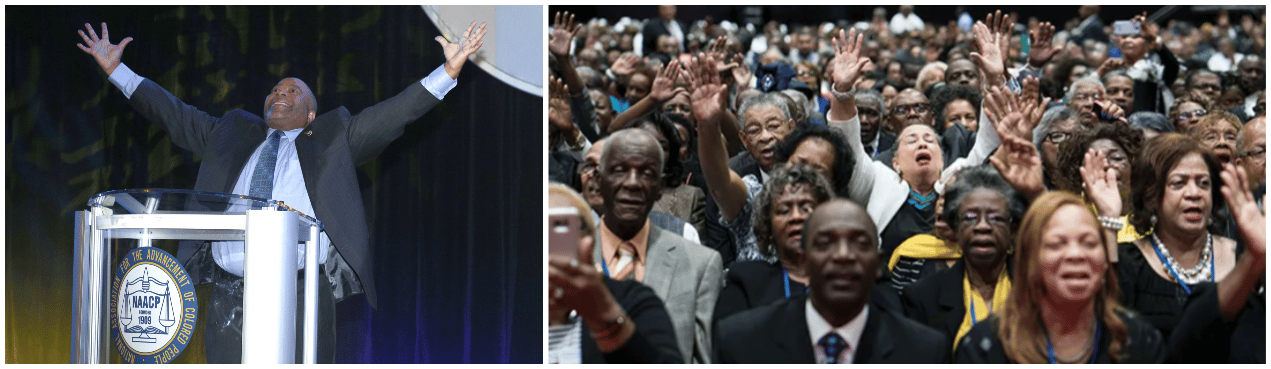
In Raynard Jackson's provocative article, "Black Leaders Continue To Fail The Black Community," he critiques the shortcomings of Black leadership, particularly within the Democratic Party. He argues that liberal ideologies have misdiagnosed the community's problems, leading to ineffective solutions that exacerbate issues like poor education, high out-of-wedlock births, and a struggling entrepreneurial spirit.
Jackson compares today's political landscape to the biblical story of Daniel, suggesting that leaders are unable—or unwilling—to interpret the "handwriting on the wall" regarding liberal policies. He highlights a growing disillusionment among Black voters, as old strategies, such as blaming systemic racism, no longer resonate.
Instead, Jackson advocates for "constructive engagement," emphasizing the need for dialogue with those on opposing sides to effect change. With a call for a new approach, he challenges both leaders and the community to reassess their actions and strategies for improvement.